How the Army Fights: Insights from the 1973 Arab-Israeli War
10.23.2026 at 06:00am

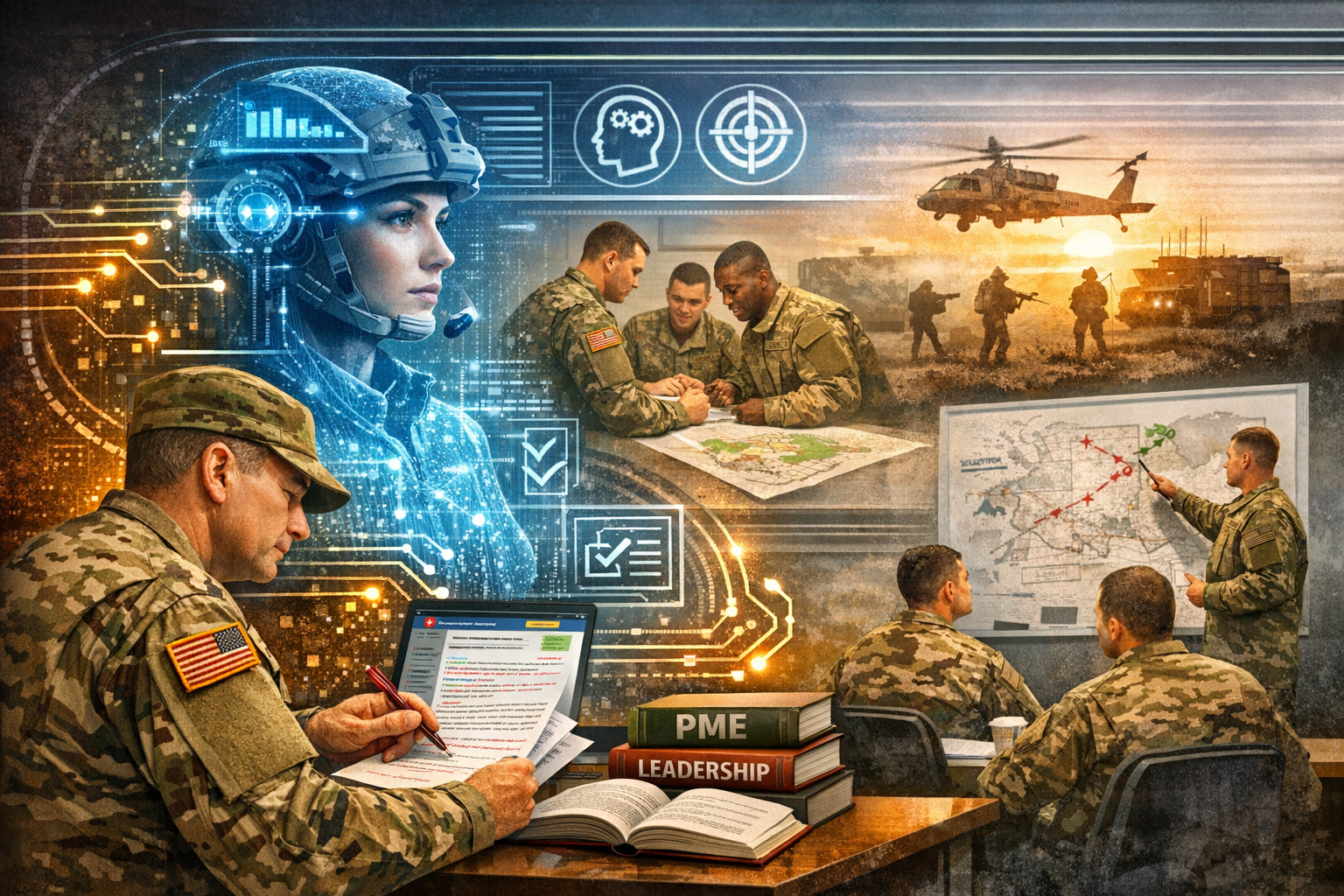
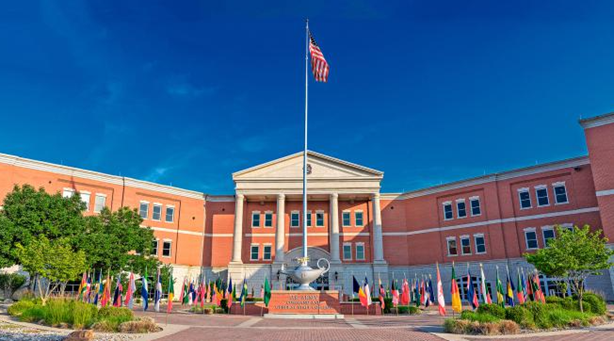
Small Wars Journal at Arizona State University and the U.S. Army Command and General Staff College at Fort Leavenworth, Kansas have formed a strategic partnership. This series, titled “Transforming Military Education,” illuminates how “America’s School for War” is leading the Army’s initiative to modernize professional military education (PME) with pedagogical reforms, innovative programs, technological applications, and multi-disciplinary approaches that are achieving the institution’s imperative to deliver cutting-edge warfighting capabilities to the operational force. This effort supports Army University’s mandate to reimagine how the Army educational enterprise prepares leaders to execute Multi-Domain Operations and achieve strategic objectives in complex environments.
The requirement to innovate and adapt to achieve battlefield victory is the key idea driving this unique partnership. As the U.S. Army embraces continuous transformation to better prepare its leaders and formations for the battlefields of today and tomorrow, CGSC is meeting the moment by reconceptualizing how military education is conceived, supported, and delivered for officers, warrant officers, non-commissioned officers, and Army civilians across the force. At the heart of this modernization effort, the college, as part of Army University, is committed to combining the best of proven educational practices that have defined excellence at CGSC since its inception in 1881 with new programs and emerging technologies. This includes integrating systems analysis, data analytics, artificial intelligence, and critical and creative thinking to solve challenging problems.
The series features articles from the CGSC Commandant, Dean of Academics, and subordinate schools and directorates that explore how each is driving change in military education within their respective areas of responsibility. This includes explanation and analysis of how CGSC leadership is preparing Army, joint, and international officers to lead at the division, corps, and joint task force levels; how warrant officers and senior non-commissioned officers are learning to lead with new approaches and multi-disciplinary methods; and how the college and its schools are modernizing educational delivery with emerging technologies and systems. The resulting learning outcomes, spanning Army education at the tactical, operational, and strategic levels of war in both seminar and exercise settings, will revolutionize how students learn and grow to meet the challenges of 21st-century warfare.






Unlock exclusive members-only ad-free content, members discussion, content, and updates directly from the SWJ Team, for only $10/yr.