





A Chinese Pipeline is Prolonging Myanmar’s War | GSSR
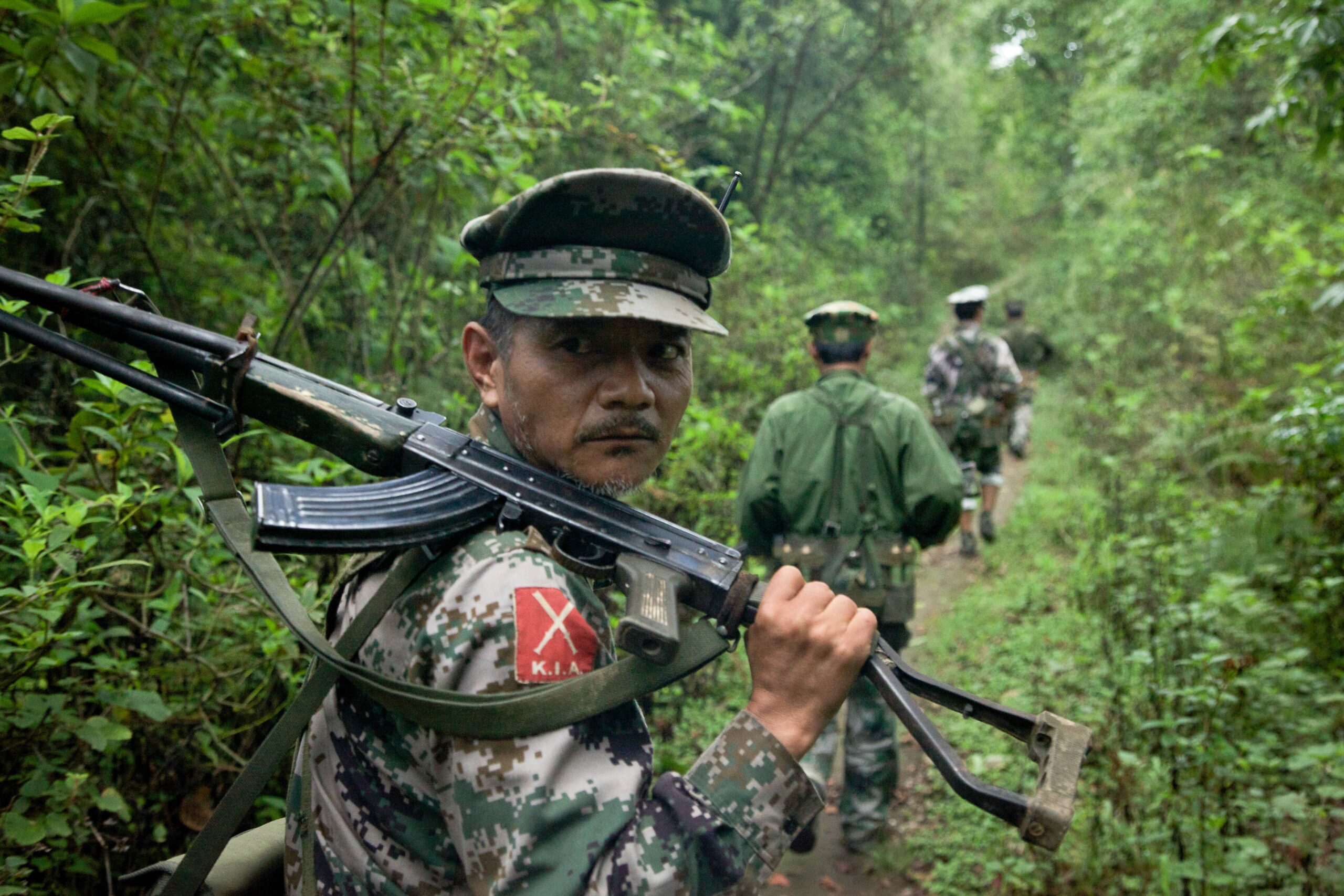

Chinese-built energy infrastructure is prolonging the civil war in Myanmar, writes Small Wars Journal’s Hayden Weatherall in a recently published article for the Georgetown Security Studies Review.
How?
The PRC built a natural gas pipeline from the Myanmar port city of Kyaukphyu to the PRC border in 2013 and followed it up with a sister oil pipeline in 2017, ensuring access to Myanmar’s large Shwe gas field, a shortcut for Middle Eastern oil, and funding the then-democratic government under Aung San Suu Kyi. Then civil war broke out.
Since then, the new (military) regime has been motivated to use its own forces to protect the pipeline and secure the territory it traverses in order to secure PRC payments. On the other hand, Beijing has a strategic interest in keeping the junta weak. A strong government could ask for concessions, or use leverage in other ways. And as insurance against anything going wrong, the PRC supports independent security forces to protect the pipeline at critical waypoints.
The result is a frozen conflict between the junta and resistance groups that Beijing calculates serves its interests as it continues to fill its strategic oil reserve.
Why is this important?
This story is a good insight into a contemporary PRC foreign policy that prioritizes energy hegemony over legitimate government or political stability.
More broadly, it shows us how energy infrastructure built by an outsider “is a powerful form of leverage in times of peace and an agent of instability in the event of war.” Energy infrastructure can make conflict worse.
The nexus between energy and conflict is not new. The Iran War is making this known to Americans and Europeans whose fuel prices have risen dramatically since March, not to mention those in developing economies where those effects have been even worse. It’s the fact that energy dependencies effect the conduct and scope of war which the Iran War has taught us more so than maybe ever– and Myanmar, quietly, but to an even greater humanitarian cost, is too. This is something we’ve written about in previous Discourses (see below).
What to do?
There are ways to counter this PRC strategy and the effects it’s having. Weatherall outlines several recommendations, including recognition of and engagement with a newly unified consortium of resistance group (the SCEF), immediate increases of democratic and humanitarian aid, and using military successes on the ground near the pipeline as a bargaining chip in the next Trump-Xi summit to get Beijing to reduce aid to the Junta.
Here’s the original article by Hayden Weatherall: “The Pipeline That Fuels Myanmar’s War.”
See this Discourse from April on a Politico article, which we reference above: “‘We are not going back’: The Conflict-Driven Energy Shift.”

