





Podcast: Making Airpower Work for Irregular Warfare | IWI
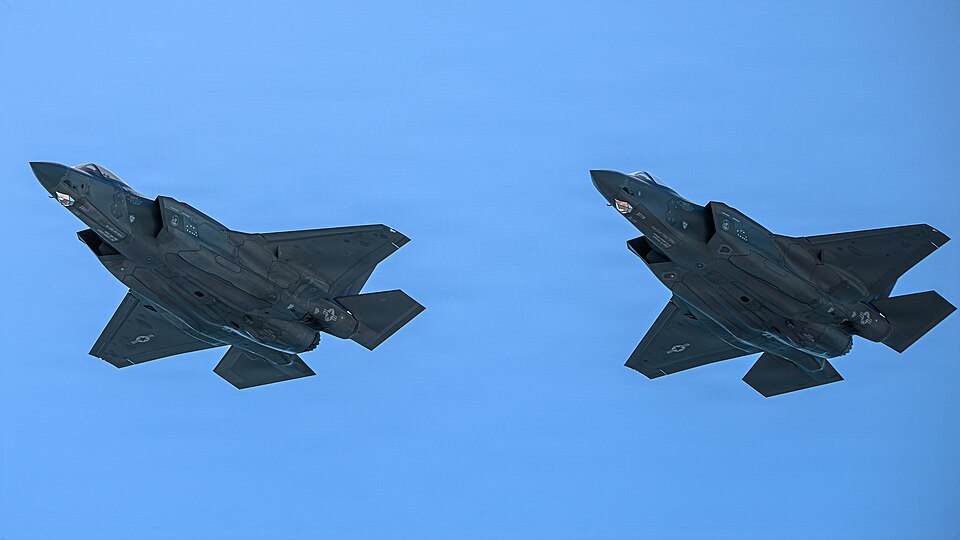

Episode #166 of the Irregular Warfare Podcast is with Lt. Gen. Anthony Rock, Professor Michael Horowitz, and Col. Tobias Switzer, hosted by Dr. Kyle Atwell.
It’s titled “The Airpower We Need for Irregular Warfare,” and it covers:
- why giving partner forces aircraft often doesn’t produce real airpower;
- the maintenance, logistics, training, and basing that have to come with the hardware;
- why simpler, cheaper aircraft may suit partners fighting insurgencies better than prestige platforms; and
- the tension between planning a withdrawal and the contractor support partners may need long-term.
Here are the main takeaways, courtesy of IWI:
-
Providing aircraft does not automatically create airpower. Effective capability also requires trained people, maintenance, logistics, doctrine, intelligence, and functioning bases.
-
Building a Western-style air force and generating useful combat airpower are different objectives, particularly during an ongoing insurgency.
-
Iraq and Afghanistan presented unusually difficult starting conditions, including war-damaged institutions, limited technical skills, and urgent operational demands.
-
Technology transfers should reflect a partner’s ability to absorb and employ equipment, not just its ability to acquire it.
-
Political loyalties, patronage, and rival institutions can undermine personnel decisions and create organizational barriers that outside advisors cannot control.
-
Prestige aircraft can appeal to partner leaders even when simpler platforms better meet immediate operational needs.
-
Switzer argues that “cheap, fast, and good enough” should guide aviation acquisitions for partners fighting insurgencies, with attention to availability, spare parts, and the problem at hand.
-
Arms transfers also shape strategic relationships. Partners may turn to competing suppliers when American equipment is unavailable or restricted.
-
Contractor maintenance and logistics may be enduring requirements rather than temporary bridges to full self-sufficiency.
-
Policymakers should reconcile withdrawal plans with the continuing support that partner aviation capabilities may need to remain effective.
-
Advisor and contractor protection is a strategic concern as well as a tactical one; casualties can erode the political support needed to sustain a mission.
-
American use of simpler aircraft could improve advisor proficiency and demonstrate their value to partners, particularly in permissive operating environments.
-
Militaries that define their missions around outcomes, encourage experimentation, and reward merit are better positioned to adopt new technologies.
-
Success should be assessed against explicit political and military objectives, distinguishing immediate battlefield effects, lasting capability, and strategic influence.
-
Preserving air-advising experience matters even when current priorities shift. Future advisors need access to earlier lessons before another crisis begins.

