





Dr. Bruce Hoffman on 50 years of Terrorism Studies
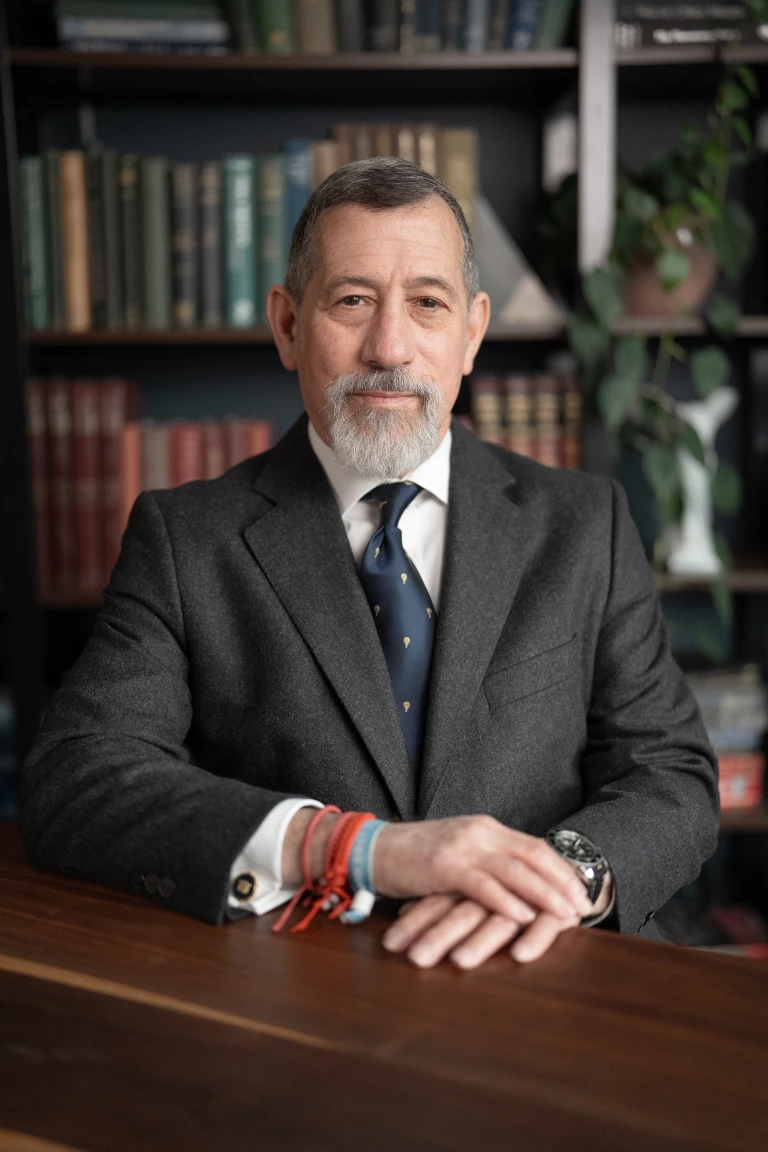

In this interview by Terror and Political Violence Editor-in-Chief James Forest, Dr. Bruce Hoffman, professor of Security Studies at Georgetown University’s School of Foreign Service and Editor-in-Chief of Studies in Conflict and Terrorism, traces five decades in terrorism studies. He moves from personal history into reflections from the field, marked by waypoints: terrorism’s shift from a law-enforcement matter to a strategic/military one after 9/11, the globalization of suicide terrorism, the transformative role of social media and drones, and growing concern over the normalization of far-right and far-left domestic terrorism. He closes with wisdom on teaching and scholarship.
Key Themes:
- Mentorship and access shaped the field’s founding generation. Hoffman’s own path was catalyzed by important moments and by mentors who took chances on his unconventional interests.
- Field access has narrowed and grown more dangerous. Pre-9/11 terrorists often welcomed interviews as a way to publicize their cause. Hoffman conducted extensive fieldwork across some 30 countries. Now, as he notes, recent researchers have been imprisoned or kidnapped.
- Threshold moments reshaped the discipline. 9/1 and the globalization of suicide terrorism are obvious. ISIS was the first transnational movement built on social media recruitment. October 7th introduced “existential” terrorism with regional cascading effects.
- Tactics have evolved. From Mumbai (2008) to Paris (2015) to October 7 to coordinated “swarming” attacks and cheap drone warfare.
- Institutional memory is weak. Governments cyclically declare victory and pivot away from counterterrorism. Then they have to relearn lessons.
- Threats have diversified and become politicized. With domestic far-right and far-left terrorism coexisting today, Hoffman warns terrorism is being re-legitimized in troubling ways.
Closing wisdom:
Stay historically grounded but be daring intellectually. Favor comparative research over chasing narrow trends. For teachers, teach students how– not what– to think.

