





Lawyers, Guns and Money: Comparing the MoU with the JCPOA | BBC
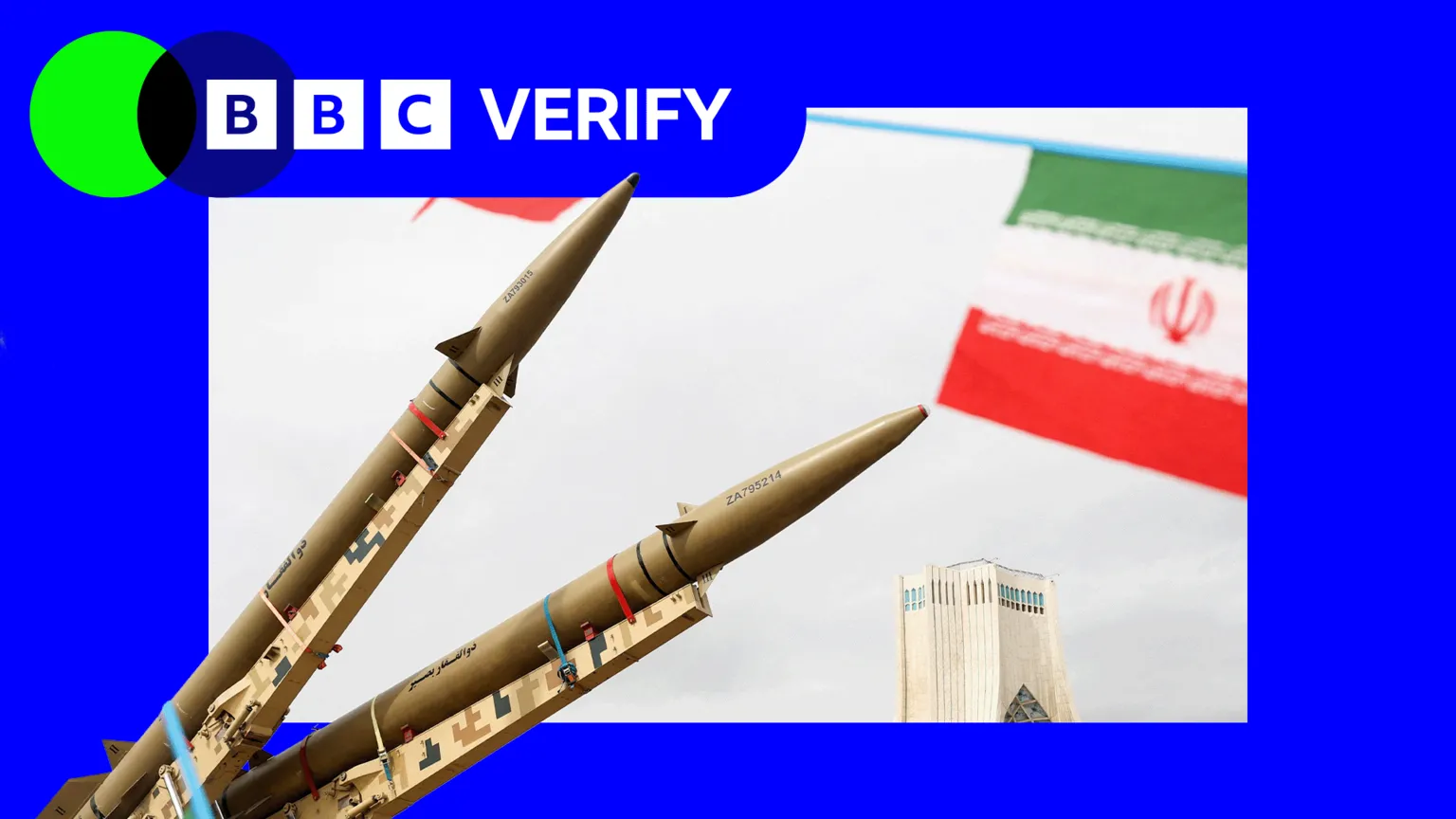

A June 18 BBC report titled “Weapons, money and ships: How is this Iran deal different from others?” does an excellent job comparing the technicalities and contexts of the 2015 Joint Comprehensive Plan of Action (JCPOA) with those of Trump Administration’s 14-point Memorandum of Understanding (MoU), signed last week. Many view the 2026 MoU as a step back after a costly war. We summarize the BBC’s takeaway here.
Weapons
The JCPOA was a technical instrument with hard caps on enrichment, stockpile limits, and IAEA verification. The 2026 MoU is a framework. Iran’s reaffirmation against weaponization echoes 2015 language, but enrichment limits, stockpile disposition, and verification mechanics are deferred to future talks. Ballistic missiles (Trump’s own 2018 complaint against the JCPOA) are entirely absent. Tehran therefore faces looser technical constraints after this war than it did under the 2015 agreement.
Money
The JCPOA unlocked frozen assets (roughly $50bn in practical terms) without new disbursements. The 2026 deal issues immediate oil-export waivers with no compliance conditions attached, plus a pledged $300bn reconstruction fund. Sanctions relief in 2026 is front-loaded and unconditional, a departure from the phased, verification-linked relief of 2015.
Lawyers (the Strait)
The Strait of Hormuz never appeared in the JCPOA. In 2026 it is central, reflecting the war’s effect on maritime transit volumes. Under the terms of the deal, the US blockade will end within 30 days. On the other hand, Iranian free-passage guarantees last only 60. Tehran’s unilateral creation of a Strait Authority, plus its stated intent to charge “fees,” signals a shift toward long-term Iranian control over a global chokepoint without the word “toll.” This goes unaddressed by the MoU.
Conclusion
The JCPOA traded sanctions relief for verified nuclear constraints. The 2026 MoU trades immediate economic concessions for a promise of future talks. In this sense the strategic logic is inverted. Relief now precedes verification rather than following it. Combined with Iran’s emerging leverage over Hormuz, the deal reads as a pause with a price, with the hardest part still to come.

