





Tuapse: Ukraine Continues to Take the Drone War to Russia
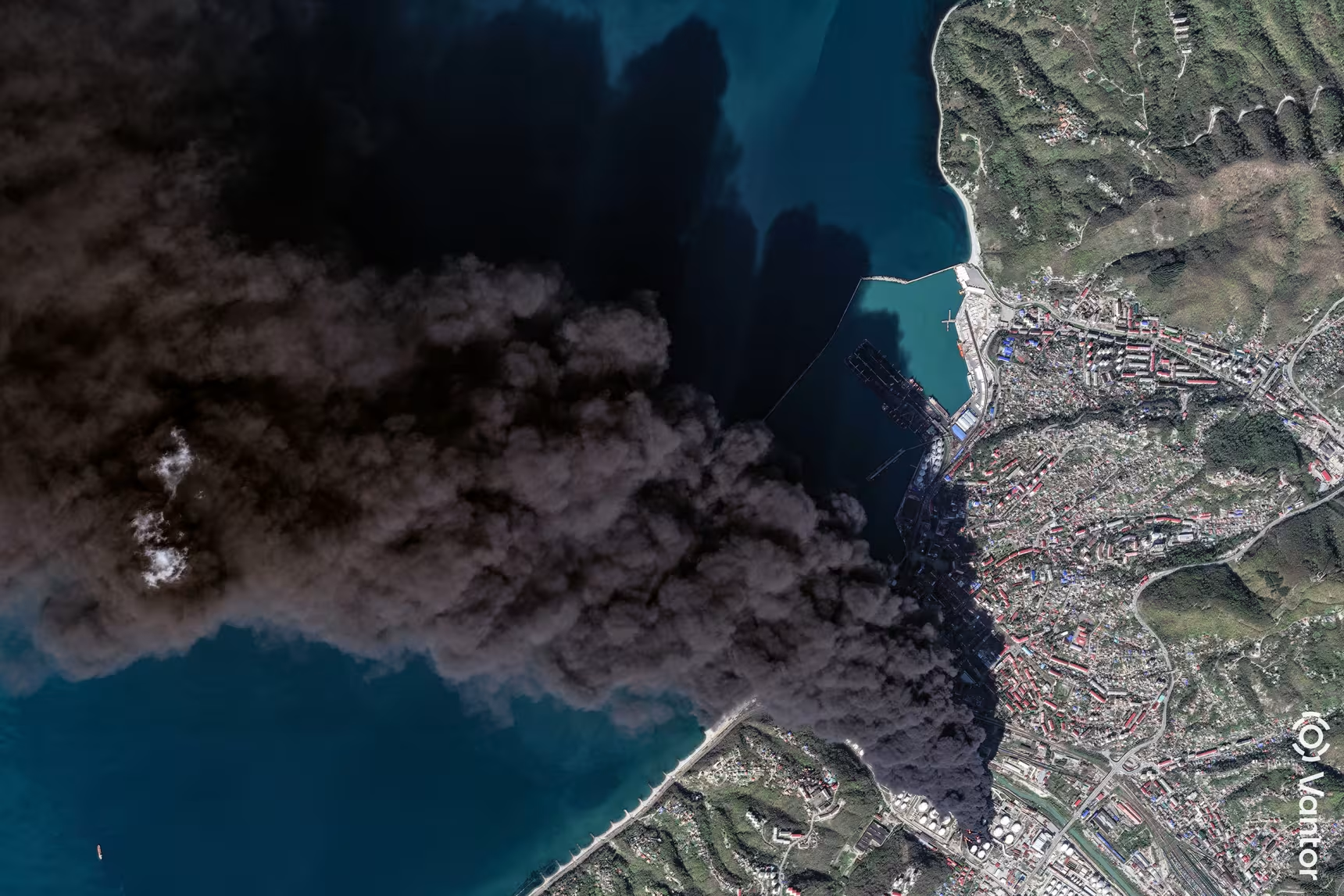

On April 16th, Ukrainian drones struck the marine terminal at Tuapse—a Black Sea port city 70 miles from Sochi—killing two and injuring seven. In “How a Ukrainian strike on a Russian oil hub caused catastrophe,” The Economist reports that four subsequent strikes over two weeks hit the same facility repeatedly, including a direct hit on the main Rosneft refinery on April 28th. The deliberate sequencing reflects a calculated Ukrainian strategy: strike the same target multiple times before recovery is complete.
Black Rain
The environmental fallout has been severe. An oil spill breached boom barriers and contaminated roughly 50 kilometers of Black Sea coastline. Oily, soot-laden rain has contaminated soil and water across the surrounding area.
Censorship
The Kremlin has worked hard to suppress coverage of the fallout. Video of burning fuel flowing down city streets circulated briefly on social media before authorities censored it. Police loudspeakers warned that photographing the destruction carried a 500,000-ruble fine; journalists were met with suspicion and reported to police by locals.
Putin publicly deferred to optimistic regional reports and declared no serious threats existed, even as residents near the refinery were being evacuated. State propaganda and Rosneft framed the attacks as “environmental terrorism,” casting Russia as the aggrieved party. Local officials pledged clean beaches by June 1st.
The Takeaway
The Tuapse strikes demonstrate two compounding effects of Ukraine’s energy campaign. Repeated strikes on the same node deny Russia the recovery window it needs. The resulting environmental damage generates domestic political costs the Kremlin must actively manage. How effectively Moscow can do this– following Ukrainian drone attacks on Russia’s Baltic coast, a scaled down May 9th parade, slowing troop recruitment, and generally declining public morale – remains to be seen.


