What If We Paid Suppliers to Keep Precursor Chemicals Out of the Illicit Market?
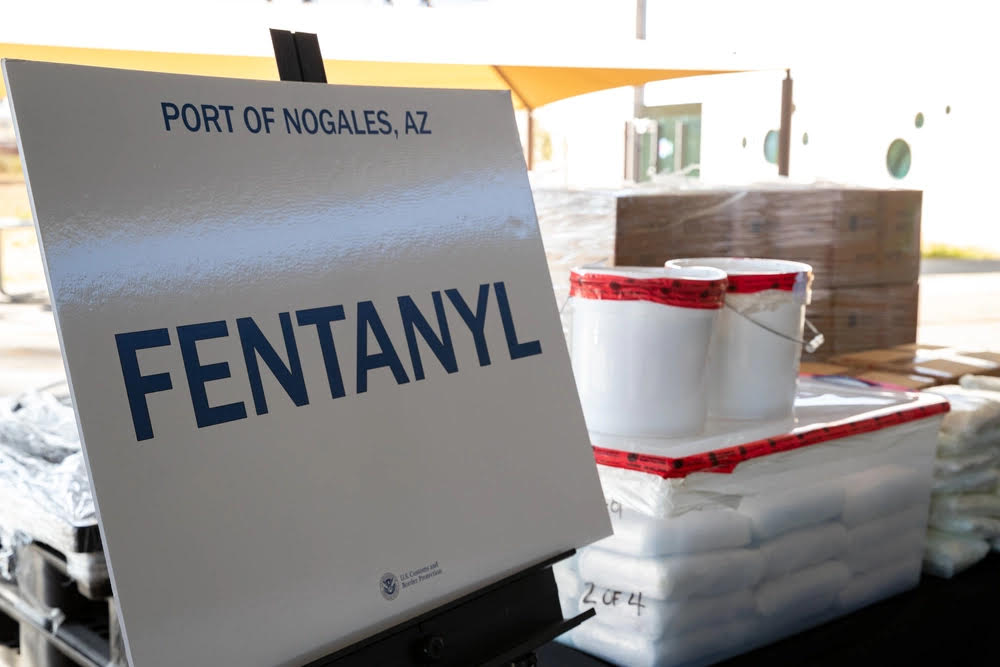

The rise of synthetic drugs has fundamentally transformed the illicit drug trade, creating new challenges for traditional international drug-control efforts. While plant-based drugs like cocaine and heroin are still widely available in recent years global cocaine production has surged to record highs—transnational criminal organizations (TCOs) are increasingly turning to synthetic drugs because they offer several advantages: lower barriers to entry, fewer geographic constraints, and higher profit margins. Mexican TCOs, in particular, have embraced this shift, manufacturing synthetic drugs on an industrial scale for export to the US market.
The consequences have been devastating. Since 2000, more than 1.25 million Americans have died from drug overdoses, a crisis largely driven by the emergence of potent synthetic opioids such as fentanyl. Despite a recent decline, drug overdoses remain the leading cause of death for Americans aged 18 to 44, more than car accidents, heart disease, and firearms. In 2025, the Trump administration took the extraordinary step of designating fentanyl and its core precursor chemicals “weapons of mass destruction.” The synthetic drug crisis is therefore both a public health and national security challenge.
Stopping the flow of synthetic drugs to the United States and securing the global supply chain from TCOs are two key pillars of the Trump administration’s National Drug Control Strategy. In practice, this has proven to be extremely difficult. Unlike plant-based drugs, which are “anchored in agrarian geographies,” synthetic drugs can be made virtually anywhere with the right chemical inputs. And because they are so potent—just 2 milligrams of fentanyl can be potentially lethal—they are easy to transport and conceal. This makes them less susceptible to conventional supply-side measures like eradication and interdiction.
That does not mean supply reduction is ineffective. A recent study found that after the Chinese government cracked down on the trafficking of precursor chemicals to Mexico, the fentanyl market experienced a major supply shock. This disruption led to a shortage of fentanyl in some areas and a dramatic decrease in the average purity of counterfeit pills and fentanyl powder. According to laboratory data from the US Drug Enforcement Administration (DEA), from 2023 to 2025 the proportion of counterfeit pills containing a potentially lethal dose of fentanyl fell 29%. Additionally, the purity of seized fentanyl powder decreased from 19.5% to 10.3%. This coincided with a sharp decline in US drug overdose deaths, which fell nearly 30% nationally over the same period. While other factors likely contributed to the decrease in overdose deaths, including the widespread availability of naloxone, this study demonstrates the potential power of targeting the synthetic drug supply upstream.
Unfortunately, these types of disruptions rarely last. TCOs are highly resilient and adaptable, and the nature of synthetic drugs makes it even easier for them to rebound from supply shocks. But the fentanyl shortage may provide a blueprint for future action. The lesson is not just that governments should regulate precursor chemicals more aggressively—although that would certainly help—but that there may be other ways to generate the same type of market disruptions. One possibility is to pay chemical producers to keep them from selling precursor chemicals to TCOs. It sounds crazy, but there is precedent.
For decades, the United Nations, non-governmental organizations (NGOs), and individual governments have supported alternative development programs to help communities dependent on coca and poppy cultivation transition toward legal livelihoods. In the same way, the international community could create financial incentives—subsidies, tax breaks, or even direct payments—to deter manufacturers in China, India, and other source countries from exporting precursors to TCOs, a potentially cost-effective solution to choke the supply of raw chemical ingredients needed to manufacture synthetic drugs. Even a relatively modest investment could be worthwhile given the enormous economic burden of the US drug crisis, now projected to exceed $5.8 trillion over the next 15 years.
This “incentive-based” approach is not without risks. If one precursor becomes harder to obtain, TCOs may simply shift to another chemical, supplier, or country; a modern version of the classic “balloon effect.” During the recent supply shock, Mexican TCOs reportedly began experimenting with alternative chemical compounds to manufacture fentanyl. The design and implementation of any such program would have to be carefully considered. For example, any program would have to answer basic questions about who would be paid, by whom, and for what behavior. Accountability is another challenge. How will authorities ensure compliance with these agreements? The Chinese chemical industry is massive, accounting for more than 40% of the world’s chemical production. The sheer scale makes it difficult to identify illicit or diverted shipments amid the large volume of global trade. And there is the obvious moral hazard: why should governments pay chemical producers to do what they should already be legally required to do?
For now, this is all hypothetical. But as synthetic drugs continue to reshape the illicit market, the United States and its international partners will need to rethink how they disrupt the supply chains that sustain them. Traditional enforcement measures, including interdiction and regulatory controls, will remain important, but should be paired with novel, upstream interventions that target the legitimate supply chains on which illicit production depends. Paying chemical suppliers to keep precursors out of the hands of TCOs may sound unconventional. But in an age of synthetic drugs, unconventional strategies may be exactly what we need.