





A Jungle Heist: Shielding the Amazon from Organized Crime

A Jungle Heist: Shielding the Amazon from Organised Crime | International Crisis Group
A comprehensive new International Crisis Group report finds that organized crime has become one of the biggest obstacles to protecting the Amazon, now active in more than two-thirds of Amazon municipalities across Bolivia, Brazil, Colombia, Ecuador, Peru and Venezuela. Criminal networks are exploiting weak state presence to expand drug trafficking and illegal gold mining, and while Indigenous communities and national governments share responsibility for defending the forest, distrust and vast distances have made cooperation difficult—even as criminal groups themselves operate seamlessly across borders.
Brazilian groups are expanding across borders to organise supply chains and trafficking networks. These powerful illegal outfits sometimes compete with and on other occasions work in conjunction with ambitious Colombian armed groups, as well as Venezuelan, Ecuadorian and Peruvian criminal organisations. Their reach touches Bolivia and Guyana as well.
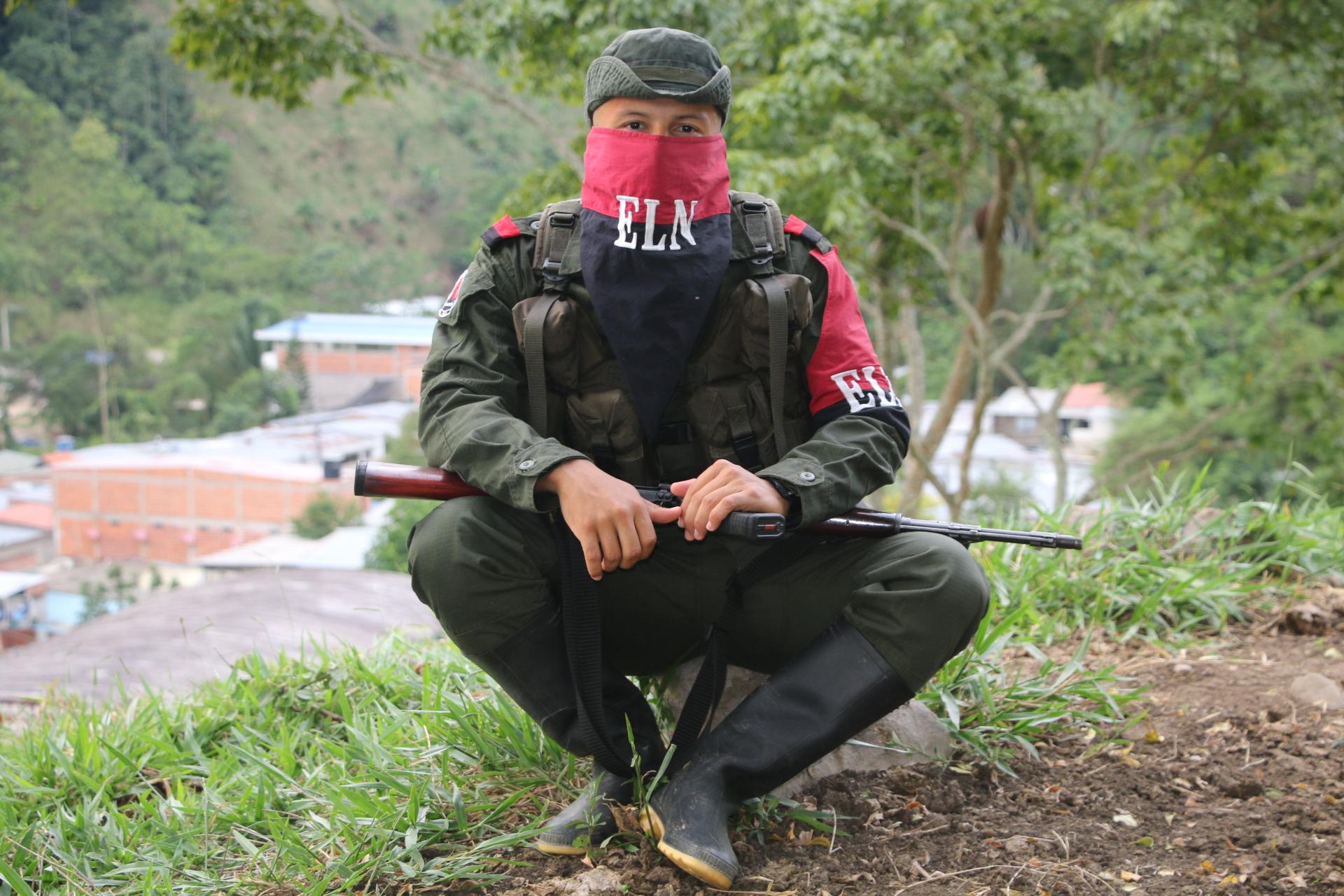
Brazilian syndicates Comando Vermelho and the Primeiro Comando da Capital have driven much of this expansion, building cross-border supply chains that stretch into Peru, Colombia, Venezuela, Guyana and beyond, while Colombian groups like the ELN and Comandos de la Frontera, along with Ecuadorian outfits Los Lobos and Los Choneros, compete and collude over coca, cocaine routes and gold mines. As well as brutal violence, both drug production and gold extraction compound the damage directly through chemical contamination and forest-clearing roads, and indirectly as criminal profits get funneled into cattle ranching and land grabbing.
In addition to contaminating waterways and thinning out treelines with illegal mining and gold trafficking, criminal groups are reinvesting their profits into large-scale legal firms and industries that propel land clearance. Through a mix of coercion and corruption, moreover, they are undermining state efforts to halt or restrict environmental damage, in effect hollowing out the very governance systems meant to protect the ecosystem.
The ICG report points to two forces pushing back: Indigenous guards, often the first responders to criminal intrusion, but who lack resources and coordination with the state, and law enforcement agencies, which conduct sporadic raids without dismantling financial networks or gang leadership. Security forces and Indigenous guards have managed to collaborate—such as in Brazil’s Yanomami territory—and deforestation and criminal activity have dropped sharply as a result. The report holds this up as the most promising model going forward, urging Amazon governments to deepen cross-border cooperation, harmonize environmental laws, and crack down on corruption and illicit finance. The report also stresses the need for international companies and commodity buyers to ensure their supply chains are not profiting from the region’s destruction. The ICG warns that with roughly a fifth of the original Amazon already deforested. The region is nearing a tipping point beyond which large-scale ecological collapse might become irreversible.
For the full ICG study, see here.
For SWJ’s coverage of illicit mining in the Amazon Rainforest, see here for analysis of Hezbollah’s Iranian oil for Venezuelan gold scheme.

