





Ukrainian Air Defense Expertise: A Global Commodity
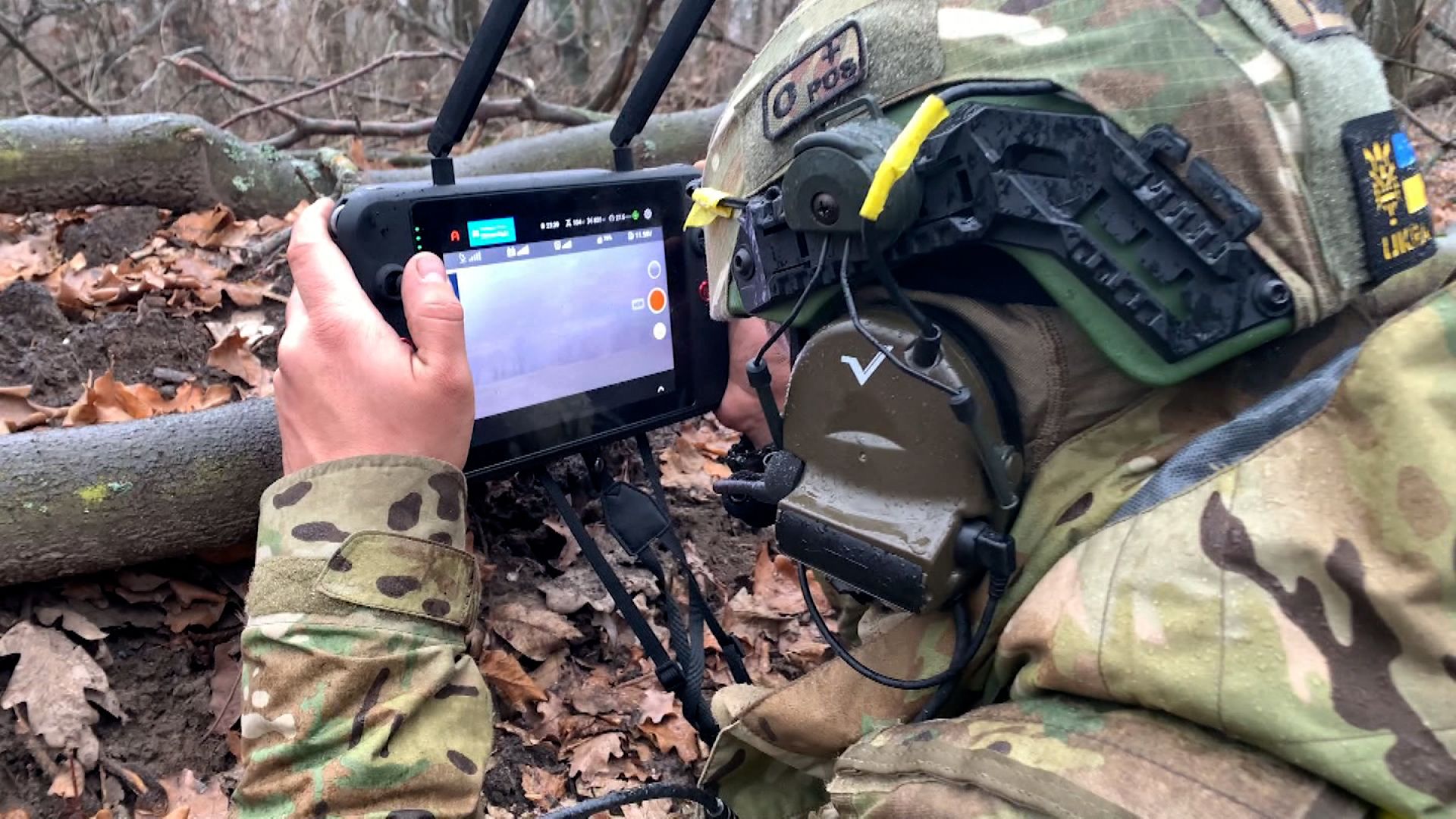

Kyiv’s deployment of air defense teams to Qatar, the United Arab Emirates, Saudi Arabia, and a U.S. base in Jordan reflects a shift in the global security marketplace, where operational experience is as valuable as hardware, reports Reuters’ Yuliia Dysa and Max Hunder.
Rostyslav Khotin, Senior Editor of the Ukrainian Service at Radio Free Europe/Radio Liberty, digs deeper into this transfer of expertise in a March 14 interview with Poland’s TVP World.
Here are a few of our takeaways from this story:
Demand Signal from the Gulf
Recent Iranian strikes have exposed gaps in Gulf air defense postures, particularly against low-cost, high-volume drone threats. In response, at least six regional actors requested Ukrainian support, according to Ukrainian officials.
Ukraine has responded by deploying:
- Three specialized air defense teams to Gulf states
- Additional personnel to support U.S. installations in Jordan
- Operational expertise focused on counter-drone tactics rather than platform delivery
Ukraine is exporting know-how and equipment.
A Data-Driven Capability
Ukraine’s value proposition is grounded in scale and repetition. Since 2022, Russia has launched more than 57,000 Iranian-designed Shahed drones against Ukrainian targets. This volume has forced Ukraine to develop a layered, cost-conscious defense architecture that blends electronic warfare, interceptor drones, and limited missile use.
The result is a system defined by efficiency:
- Interceptor drones and jamming systems often replace high-cost missile intercepts
- Human operators and software integration are critical to success rates
- Air defense is distributed, adaptive, and continuously refined under combat conditions
This stands in contrast to Gulf states, which have relied heavily on expensive missile-based systems and are now facing depletion concerns amid Iranian drone attacks.
Strategic Trade: Expertise for Munitions
Kyiv’s objective is clear. Ukraine needs air defense missiles, particularly for Patriot systems, to counter ballistic threats from Russia. In exchange, it is offering something increasingly scarce among U.S. partners: real-world proficiency against Iranian drone systems.
This creates a reciprocal dynamic:
- Gulf states gain immediate defensive capability against drone attacks
- Ukraine gains access to scarce interceptor munitions and deeper political ties
The exchange reflects a broader wartime economy where knowledge is a tradable asset.
Operational Convergence
The deployment also underscores a convergence of theaters. Iranian drone technology links conflicts in Ukraine and the Middle East, while Russia’s battlefield experience feeds back into Iranian operational use.
Ukraine now sits at the center of this ecosystem:
- It has absorbed large-scale drone attacks
- It has refined countermeasures under sustained pressure
- It is now exporting those lessons to states facing the same threat set
Implications
Ukraine’s move signals a shift in how military power is generated and exchanged. Combat experience is now a form of currency. States under active threat are seeking partners who have already adapted to the evolving character of warfare.
Important for the U.S., innovation is no longer confined to defense industries. It is being produced in real time on the battlefield and transferred through operational collaboration.
Related:
Read Crispin Burke’s piece from this past fall titled “Small Drones, Big Limits: A Smarter Drone Strategy” on how the U.S. Army can take lessons from Ukraine to build an effective drone strategy for its own future.

