





FPV Drones and the Exposure of U.S. Airbases
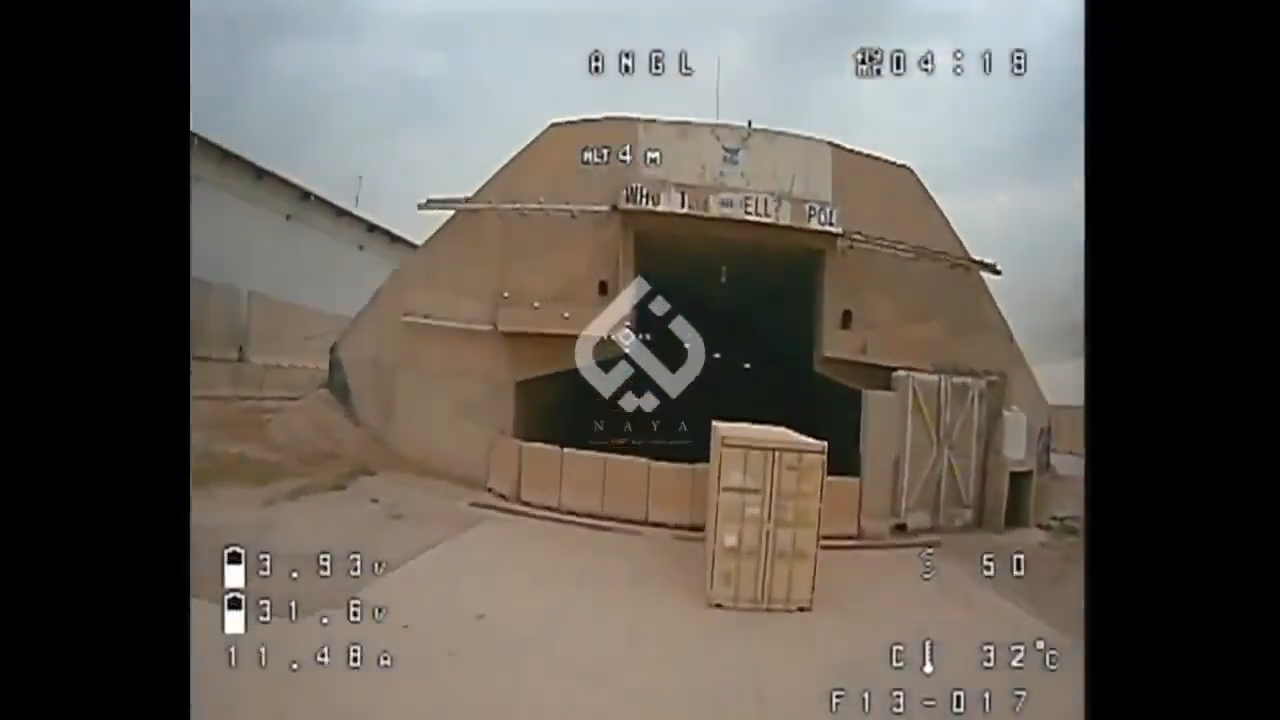

“FPV Drone Attack On U.S. Victory Base In Iraq Is A Stark Warning”
David Hambling highlights in this Forbes article how the recent FPV drone strike on the U.S. Victory Base in Iraq exposes a direct vulnerability in U.S. airbase defense. Video footage from the attack captures a drone loitering over the installation for nearly two minutes, surveying structures, and selecting a target without facing any visible detection or response.
Precision at Low Cost
FPV drones combine ISR and strike functions in a single platform. Operators can identify and engage specific targets such as fuel storage, munitions, and parked aircraft. Payloads are often only a few pounds but accuracy enables effective targeting of critical components. Ukraine’s operations against Russian airbases, including its Operation Spiderweb last June, have demonstrated the ability of FPVs to damage or destroy aircraft through precise strikes on vulnerable points.
Fiber-Optic Control and Reduced Signatures
The system used in the Victory Base attack appears to have employed fiber-optic guidance. This enables low-altitude flight without signal disruption and removes reliance on radio signals, making them difficult to detect with traditional radar systems. Some existing countermeasures, such as interceptor drones and automated guns, can address limited threats but face constraints in coverage and response speed.
Implications for Force Protection
Airbases contain concentrated high-value assets and fixed infrastructure without coherent defensive architectures. The cost of attack remains low, while the creation of defensive systems will require sustained investment and integration. Since current fiber-optic FPV systems operate at ranges of 20 to 50 kilometers, this is no small threat.
FPV drones enable reconnaissance and destructive strike at low cost and within the same mission set. As Hambling argues, protecting U.S. installations will require expanded detection, rapid engagement systems, and layered defenses designed for continuous low-cost aerial threats.
While You’re At It:
Read Crispin Burke’s article “Small Drones, Big Limits: A Smarter Drone Strategy” for a nuanced description of the kind of drone strategy the U.S. Army needs to implement for its own use of the devices– and what it needs to avoid– in order to realize their full potential in a future conflict.

