





The Munitions Reckoning: What the Iran War Reveals About a Decades-Old Problem | AEI + CSIS
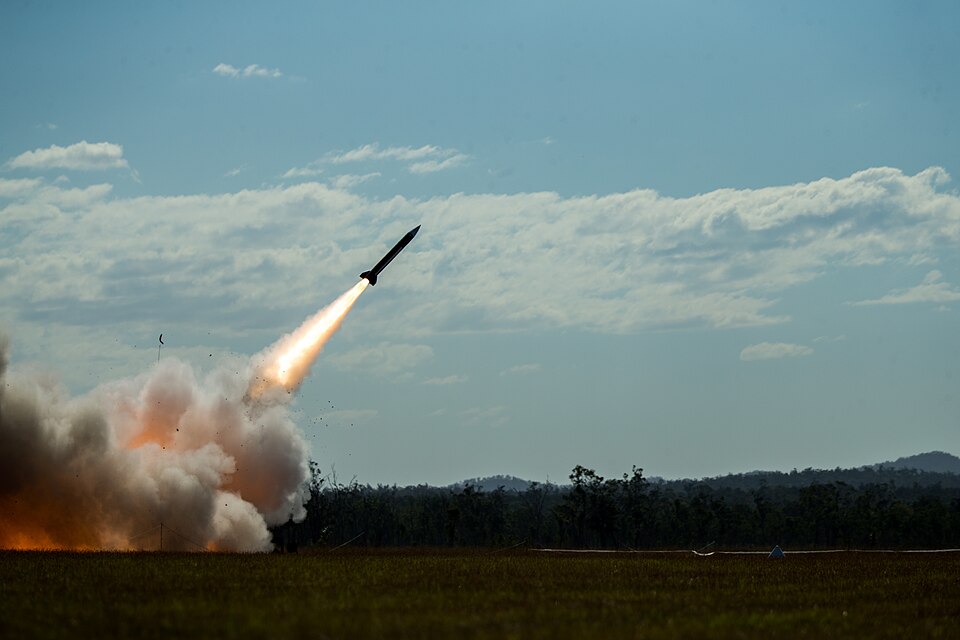

On July 25, the New York Times reported that President Trump had shelved plans to escalate operations against Iran partly out of concern over depleted U.S. air defense interceptor stocks. The report has prompted two notable responses in the defense think-tank sphere. AEI’s Dustin Walker addresses eight misconceptions that have surfaced in the ensuing debate in “Munitions Misconceptions & Operation Epic Fury.” CSIS’s Mark Cancian and Chris Park lay out six causes of the shortfall in “Six Reasons Why the United States Is Low on Munitions,” arguing that Operation Epic Fury is only the most recent driver of a problem years in the making. Read together, the two pieces offer a fuller picture than either the alarm over the Times report or the political blaming that it triggered within the Administration.
The Reports in Brief
Walker’s piece is corrective in structure. It takes on claims circulating in the immediate aftermath of the Times story (notably, that munitions alone are driving Iran policy, that disclosure of this information emboldens Tehran, and that a single administration is responsible) and tests each against the available facts. Cancian and Park take a longer view, cataloguing the strategic, industrial, institutional, and operational factors that have left DOD short on inventory, independent of any single conflict. As such, one is oriented toward the current news cycle, while the other points to the history behind it.
What the War Actually Cost
Roughly half of pre-war inventories of Patriot, THAAD, and PrSM have been expended, alongside about a third of JASSM, SM-2/3/6, and Tomahawk stocks. Both analyses agree the war did not create this problem; rather, it exposed one already a decade in the making. That five months of operations could dangerously deplete critical munitions is itself evidence the United States lacked the depth for a sustained fight against a more capable adversary.
A Problem Older Than Either Administration
Cancian and Park trace the roots to the 1990s, when we saw a post–Cold War pivot to two short regional wars, an industrial base consolidated for efficient peacetime output rather than surge, and a budget process where munitions chronically lose to more visible platforms. Five years of expenditure in the Middle East drew down stocks before Iran operations began. Ukraine transfers, despite the attention they draw, affected only a narrow set of shared systems, chiefly Patriot.
Bipartisan Responsibility, But No Quick Fix
Neither report assigns blame to one administration. Biden under-resourced replenishment while launching useful multiyear contracting authorities, while Trump has paired aggressive production rhetoric with claims of “unlimited” munitions that understate the constraint. Munitions take two to four years from contract to delivery, so today’s shortfall reflects yesterday’s funding decisions, and today’s fixes won’t show results until the early 2030s.
Find our Discourse series on Mark F. Cancian and Chris H. Park’s April CSIS report on munitions depletion“Last Rounds? Status of Key Munitions at the Iran War Ceasefire” here: “Part 1: The U.S. Munitions Problem.“

