





Cannibalism as a Policy Challenge
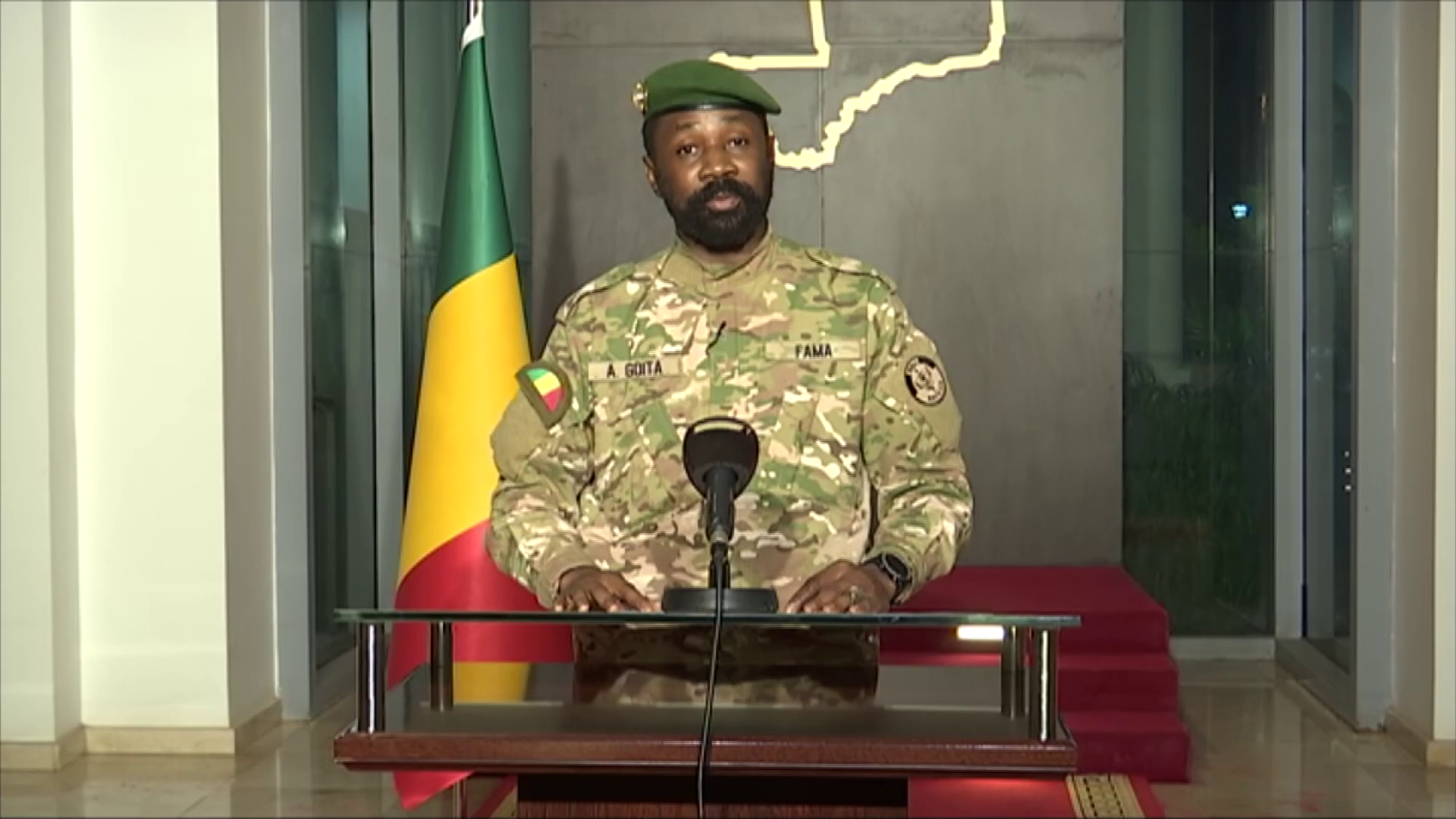

Cannibalism as a Policy Challenge | Michael Shurkin | Substack | July 28th, 2026
Prompted by a friend’s comment that the United States is siding with cannibals, Michael Shurkin considers the implications of the U.S. supporting the Malian government, given recently surfaced videos in which government-backed security forces appear to engage in cannibalism. The videos show Malian soldiers and militia members eating parts of dead jihadists (often ethnic Fulani):
I have been told by a credible Malian security analyst that most, if not all, of the cannibalism victims are Fulanis—though admittedly such things are hard to verify, and it is not as if the Malian government or any independent organization has gone to the trouble to identify them.
Shurkin then explores the possible motivation for such acts:
Why eat the enemy?
Ritual. The symbolism of it all. Eating one’s adversary is a powerful way of asserting, symbolically, one’s dominance. It follows that there appears to be a customary practice: The cannibals generally remove certain organs and body parts in a specific order…
The fact that the perpetrators and those around them are recording the events and posting them online suggests there may also be a propaganda aspect: They want everyone to see them at work, perhaps most especially members of the communities associated with the individuals being butchered and eaten.
Shurkin wonders if we are indeed siding with evil:
So my friend is right. America is siding with “bad guys.” But are they the bad guys? Does it matter? There is an argument to be made that ethics and morality demand the application of a purity test when it comes to deciding whom the United States should back in overseas conflicts. Mali’s government and military would fail such a test. Honestly, a lot of our friends abroad might fail such a test. There also is an argument to be made in favor of pragmatism, and perhaps the need to choose the least bad of several bad options. Mali’s government and military are bad actors, but Mali’s (jihadist and non-jihadist) insurgents likewise are bad. A pox on both their houses.
Finally, Shurkin proposes that we wash our hands of the whole business:
Often I lean in favor of staying out of it. Why pick sides if each side stinks? Besides, it is far from clear what the United States might be willing to do that could have any meaningful effect on the course of Mali’s war(s).
For more SWJ discourse on conflict in the Sahel, see here.
For more on the collapse of counterterrorism in the region, read here.

