Why the United Nations Still Matters in a Time of War
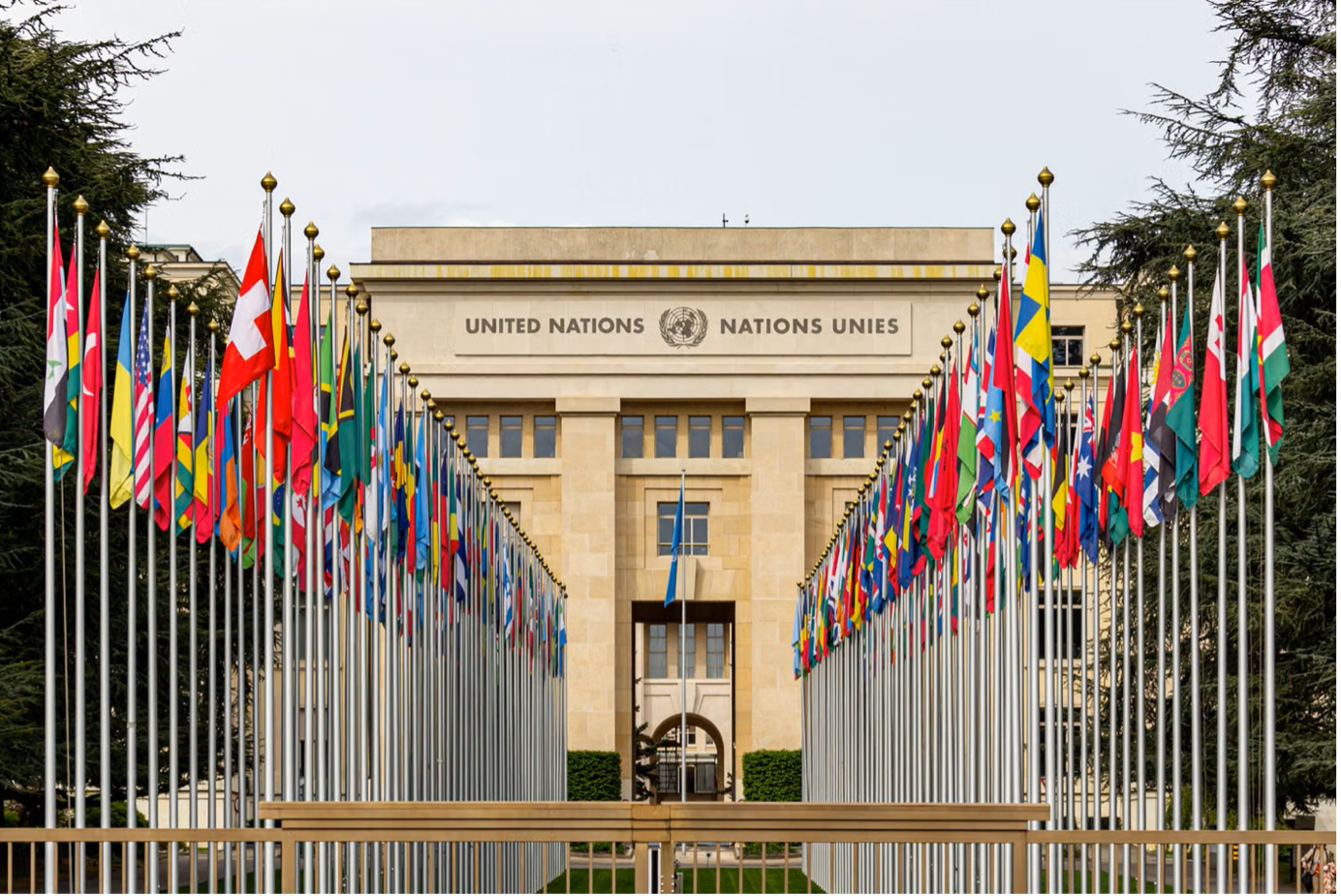

War has a way of making diplomacy look irrelevant. When missiles are launched, cities are destroyed, and leaders harden their positions, talk can seem weak beside force. In those moments, the United Nations is often dismissed as slow, procedural, and detached from reality. That criticism is understandable. It is also too easy.
The United Nations was not created for calm periods. It was created because the world had already seen what happens when war is allowed to sweep away law, diplomacy, and restraint. The Charter begins with a promise to save succeeding generations from the scourge of war, and that promise still matters.
The United Nations does not stop every war. No serious observer should pretend otherwise. But that is not the right test. The real question is whether the international system is better off with a forum that keeps diplomacy alive, gives states a legal and political framework for settling disputes, and insists that even bitter enemies remain answerable to shared rules. On that question, the answer is yes. For military and security practitioners, the United Nations matters not because it can prevent every war, but because it keeps open the diplomatic, legal, and operational channels through which escalation can be managed, humanitarian access negotiated, ceasefires pursued, peace operations supported, and wars eventually brought back into political form.
The UN remains indispensable because it protects the idea that war should never become the normal language of international politics. Article 1 of the Charter makes the maintenance of international peace and security the organization’s central purpose, and Chapter VI calls on parties to settle dangerous disputes by peaceful means such as negotiation, mediation, and arbitration.
Keeping Diplomacy Alive During War
One of the most persistent mistakes in international affairs is the belief that diplomacy starts only when the guns fall silent. In practice, diplomacy runs before, during, and after war. It shapes warning signals, crisis contacts, ceasefire efforts, humanitarian access, and the first fragile outlines of a political settlement. The UN’s system of prevention and mediation exists for exactly this reason. The Secretary-General can use good offices, appoint envoys, and support negotiations long before a final agreement comes into view. That work is rarely dramatic. Still, it often determines whether a crisis stays containable or expands into something far worse.
This is where the UN deserves more credit than it usually receives. In a polarized world, simply keeping channels open is an achievement. When governments stop listening to one another directly, they often still speak through institutions, intermediaries, and formal processes. The UN provides that space. It creates meetings, records, procedures, and diplomatic pressure points that make a complete rupture less likely. No institution can manufacture trust out of thin air. But institutions can slow escalation and preserve room for political judgment. That is one of the UN’s quiet strengths, and at times of war, quiet strengths matter.
The Charter as a Practical Framework
The Charter is sometimes treated as a ceremonial text, quoted on anniversaries and ignored during crises. That is a mistake. Its value is not only symbolic. It is practical. The Charter gives states a common vocabulary for peace and security. It sets expectations. It defines obligations. It reminds governments that disputes should be addressed before they spin into wider conflict. Article 33 is especially important because it establishes a simple but powerful principle: if a dispute threatens peace, the parties must first seek a peaceful solution. That obligation does not solve political conflict by itself, but it creates a standard against which state behavior can be judged.
This matters more than it may appear. International politics often looks chaotic, but chaos is not the same as the absence of order. Norms, procedures, and common expectations still shape what states can justify, defend, or get away with. The UN does not erase power politics, but it forces power to operate in a world where legitimacy still counts. In an era when force is too often presented as clarity, the Charter insists on another possibility: that restraint, mediation, and lawful settlement are not signs of weakness but instruments of responsibility.
Peacekeeping as Political Space
Peacekeeping is one of the clearest examples of how the United Nations turns diplomatic principles into practice. Its record is not flawless, and the organization itself acknowledges painful failures and hard lessons. Yet the broader history still matters. UN peacekeeping has helped countries move from conflict toward recovery, support political transitions, and reduce violence in difficult environments. The UN describes peacekeeping as one of its most effective tools for helping countries navigate the path from conflict to peace, and its principles, consent, impartiality, and the limited use of force, reflect a philosophy that is fundamentally different from open-ended military intervention. Completed UN missions in places such as Liberia and Côte d’Ivoire show how peacekeeping can help stabilize fragile environments, support political transitions, and give diplomacy time to operate.
That difference is important. The purpose of peacekeeping is not to wage war more efficiently. It is to protect the space in which politics can resume. Peacekeeping works best when it supports a viable political process, helps stabilize a fragile environment, and gives diplomacy time to do its work. In that sense, peacekeeping should be understood not only as a security tool but as a diplomatic one. It is part of the infrastructure of peace. It keeps doors open at moments when everything else pushes toward collapse.
The UN’s Continuing Strategic Relevance
The most dangerous idea in wartime is not only that violence is necessary. It is that violence is inevitable. Once leaders and publics accept that view, diplomacy begins to look ornamental, and every compromise starts to resemble surrender. The United Nations pushes back against that fatalism. It does so imperfectly, often frustratingly, and sometimes too slowly. But it still pushes back. Through the Security Council, the General Assembly, political missions, envoys, and mediation efforts, the UN keeps alive the principle that no conflict should be considered beyond diplomacy.
That principle is not abstract. It has consequences. It shapes how ceasefires are discussed, how peace talks are framed, how humanitarian access is negotiated, and how postwar legitimacy is rebuilt. It also helps smaller states, not only major powers. In a world dominated by unequal capabilities, multilateral institutions remain one of the few places where weaker states can still invoke law, procedure, and collective norms rather than rely only on coercion. The UN is far from perfect, but a world without it would be harsher, less accountable, and more vulnerable to permanent escalation.
It is possible to be realistic about the UN without becoming cynical about it. The organization has limitations. Vetoes, rivalry, and selective political will are real constraints. But limitations do not erase value. In fact, they make the institution’s endurance more striking. For decades, the UN has remained the central forum where war is still challenged by a language of peace, law, and diplomacy. That alone is not enough. But it is far from trivial. In international affairs, the survival of common rules is itself a form of protection.
This is why the United Nations still matters in a time of war. Not because it can spare the world every tragedy, and certainly not because diplomacy always succeeds on schedule. It matters because without institutions that defend negotiation, mediation, and collective responsibility, war becomes easier to justify and harder to end. The UN still stands for the idea that peace is not sentimental and diplomacy is not decorative. Both are necessary forms of political strength. At a time when that truth is often forgotten, the United Nations remains worth defending.