What NATO’s Radar Plane Decision Really Signals
07.08.2026 at 11:10pm
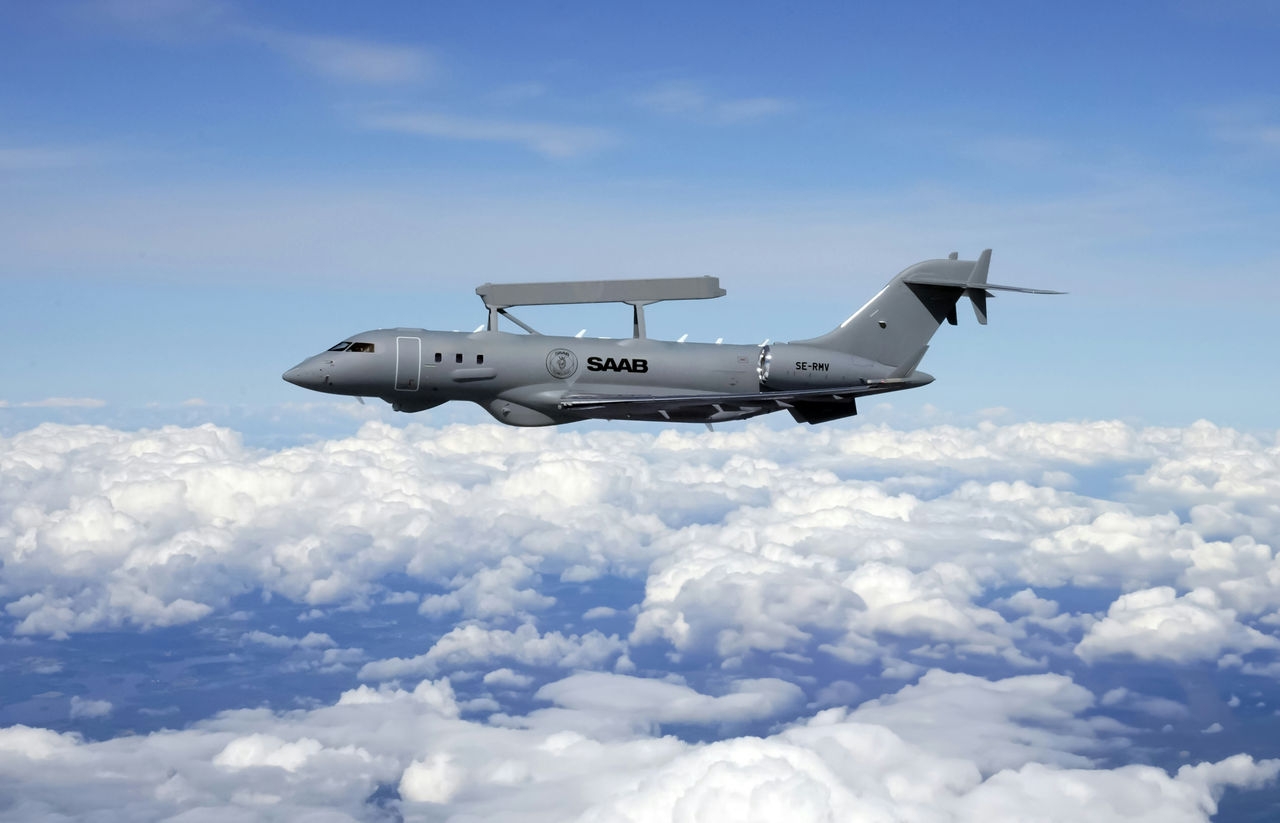
Courtesy of NATO

Eleven NATO allies have selected Saab’s GlobalEye aircraft to replace the aging E-3 Sentry fleet, bypassing Boeing’s E-7 Wedgetail in a roughly $4.5 billion deal expected to deliver aircraft beginning in 2030. As Defense One’s Thomas Novelly reports in “NATO snubs Boeing, picks Saab to build alliance’s next radar plane,” the decision reflects less a clean capability competition than a compound of self-inflicted American credibility damage.
When the Pentagon’s FY2027 budget omitted E-7 funding, allies read the signal clearly and moved toward Saab. The administration later reversed course, (Defense Secretary Hegseth called the omission an outdated “austerity mindset”) but the damage was done.
Takeaways from the Saab selection:
- Procurement signals are strategy. Budget documents are read by allies as statements of intent. The original omission communicated U.S. ambivalence about a platform that allies are asked to bet on. Industrial credibility is fragile, just as is diplomatic credibility.
- The alliance’s hedge was rational. With American commitment in question and the Trump administration having already withdrawn from a prior E-7 deal in July 2025, allies had precedent for U.S. reversal. Choosing Saab reduced dependence on a supplier whose government had twice undermined the program.
- Boeing’s loss has operational implications. Interoperability between U.S. E-7s and allied GlobalEyes will now require deliberate management. A shared platform would have simplified integration. A split architecture adds friction to coalition air operations that NATO conducts.