





How Armed Groups Are Contesting Colombia’s Airspace With Drones
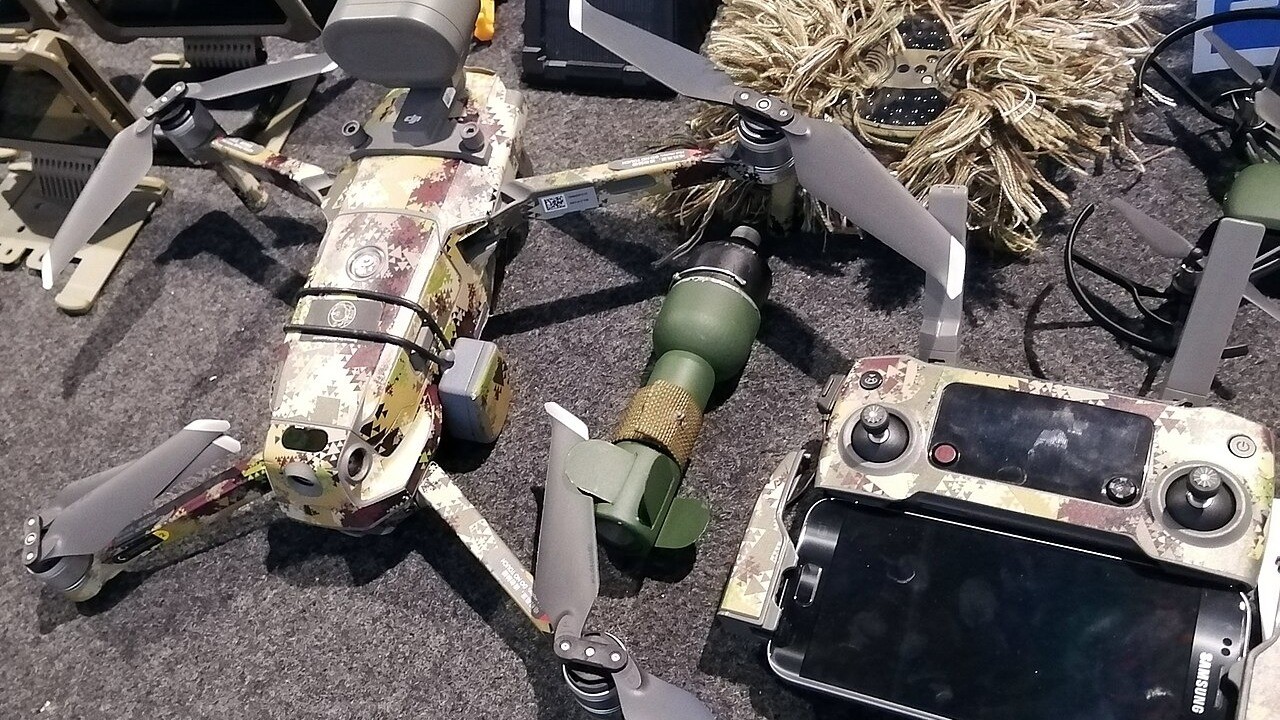

The rapid diffusion of drone warfare in Colombia offers a useful case study in how commercial technology can alter the balance between states and armed groups. Nelson AI, a geopolitical risk analysis platform that uses AI to produce data-driven security assessments, describes in “Drone Warfare in Colombia” how Colombia’s insurgent and criminal organizations have effectively contested the government’s long-standing monopoly over low-altitude airspace.
Key Takeaway
The article’s most striking finding is the pace of adaptation. Armed groups have moved from modified commercial quadcopters to FPV strike drones, thermal imaging systems, and even fiber-optic-controlled platforms that can evade conventional jamming. Drawing lessons from conflicts abroad, particularly Ukraine, these organizations have compressed innovation cycles that once took years into months.
Lessons
For military professionals, these are global lessons. Drones are no longer a niche capability reserved for state actors. They provide insurgents and criminal networks with a low-cost means of reconnaissance, intimidation, precision strike, and information dominance. They give an “economy-of-force” advantage that challenges traditional security concepts.
Fighting Back
Can states disrupt the acquisition and adaptation pipeline faster than non-state actors can innovate? Colombia’s experience suggests that counter-drone systems alone may be insufficient if the underlying supply chains and knowledge networks remain intact.
Note: For an explanation of the sources and prompts used by Nelson AI to produce the original report, navigate to “Drone warfare in Colombia.”

