





Stop Calling it Gray | Irregular Warfare Initiative

The Problem With the Term
For over a decade, “gray zone” has been the West’s default descriptor for Chinese coercive activity below the threshold of armed conflict. In an Irregular Warfare Initiative piece called “Stop Calling It the “Gray Zone”: How China Exploits the Language of Ambiguity,” Col. David Maxwell argues the term is a strategic gift to Beijing. Calling Chinese operations “gray” implies ambiguity where none exists creates hesitation in democratic governments and inadvertently legitimizes the behavior it purports to describe.
“The problem is not that China operates in a gray zone. The problem is that the free world continues describing warfare in terms China itself does not recognize.”
What China Is Actually Doing
Unrestricted Warfare, articulated by PLA Colonels Qiao Liang and Wang Xiangsui in 1999, holds that future conflict would not be confined to military means. Financial, informational, legal, cyber, and psychological tools are all weapons. The CCP’s “Three Warfares” doctrine, institutionalized in 2003, operationalizes this. The “gray zone” framing amplifies all three simultaneously, which can reinforce the narrative that a given situation is too complex for decisive response.
The Philippine Model
Maxwell points to the Philippines as the more sophisticated alternative. Manila has replaced passive ambiguity with four precise words: illegal, coercive, aggressive, deceptive. That vocabulary imposes reputational costs on Beijing, strengthens alliance cohesion, and denies China the incremental normalization its salami-slicing tactics depend upon.
“The Philippines has learned through direct experience that strategic language is itself a battleground. Washington and the rest of the free world should learn the same lesson.”
Why It Matters Now
At the May 2026 Xi-Trump summit, Beijing introduced “constructive strategic stability,” designed to paint U.S. deterrence as escalation and center every Taiwan-related decision against Chinese red lines. What does this mean? China recognizes that words are battlespace. As such, the West “ must stop describing political warfare in the language of uncertainty while our adversaries wage it with strategic clarity.”
While you’re here:
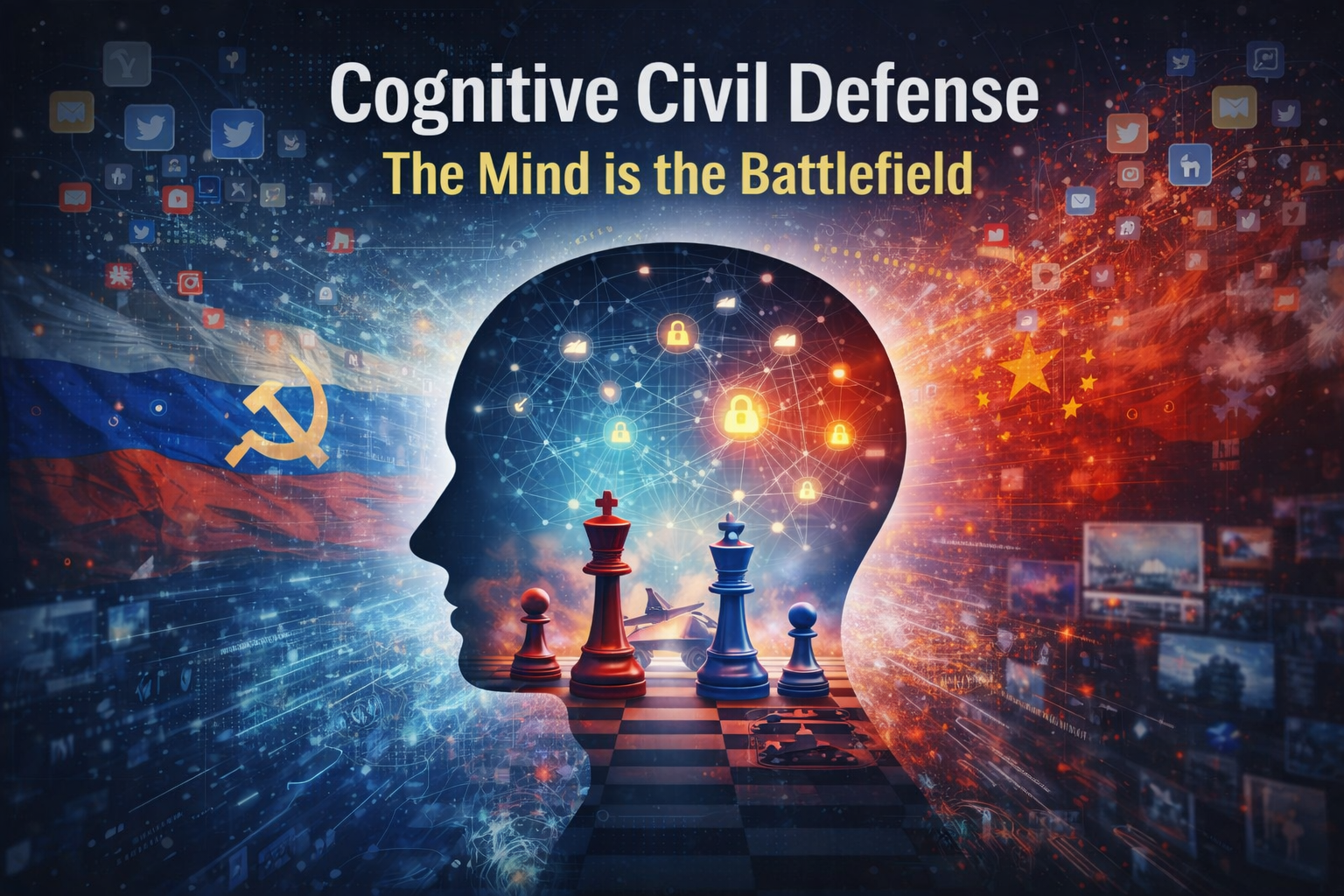
Read Col. David Maxwell’s February 2026 perspective piece “America Needs Cognitive Civil Defense” for his take on treating the cognitive space as one to be defended at home.


