





The Two-Year Window: Russia’s Readiness Clock and Europe’s Strike Gap
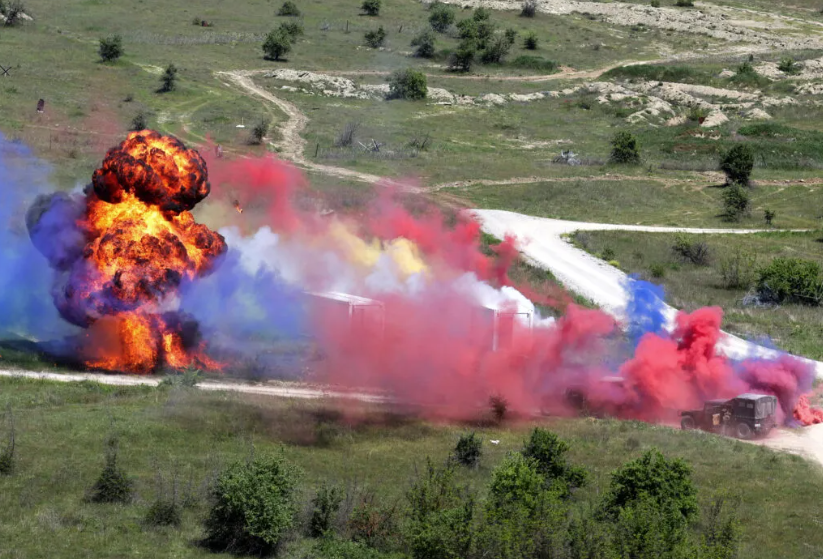

Estonian Defense Forces Commander Andrus Merilo writes in a recent article by Euromaidan Press that “2027 is in my estimation the year when Russia’s combat readiness will be restored, and if it then senses a favorable opportunity to use its military somewhere, then it will do so.” Merilo’s assessment does not rest on speculation. He describes the Russia that emerges from the Ukraine war as a state that has retooled its entire economy toward war production, fielding an army carrying hard-won modern combat experience under a leadership structure whose political survival depends on continued aggression.
Analysis by Ukraine’s Pryamiy News draws on Vadym Chernysh of the Center for Security Studies to introduce a more tempered read, noting that “these hybrid threats to Europe are a little above average, not maximum, because the Russians lack the strength and reserves,” with much of Moscow’s offensive capacity still committed to Ukraine. That distinction matters tactically because while it does not change the strategic timeline Merilo identifies, Russia is nonetheless on the path to reconstitute for future large-scale combat operations. The question Europe now faces is whether its own deterrent architecture will be ready when that happens.
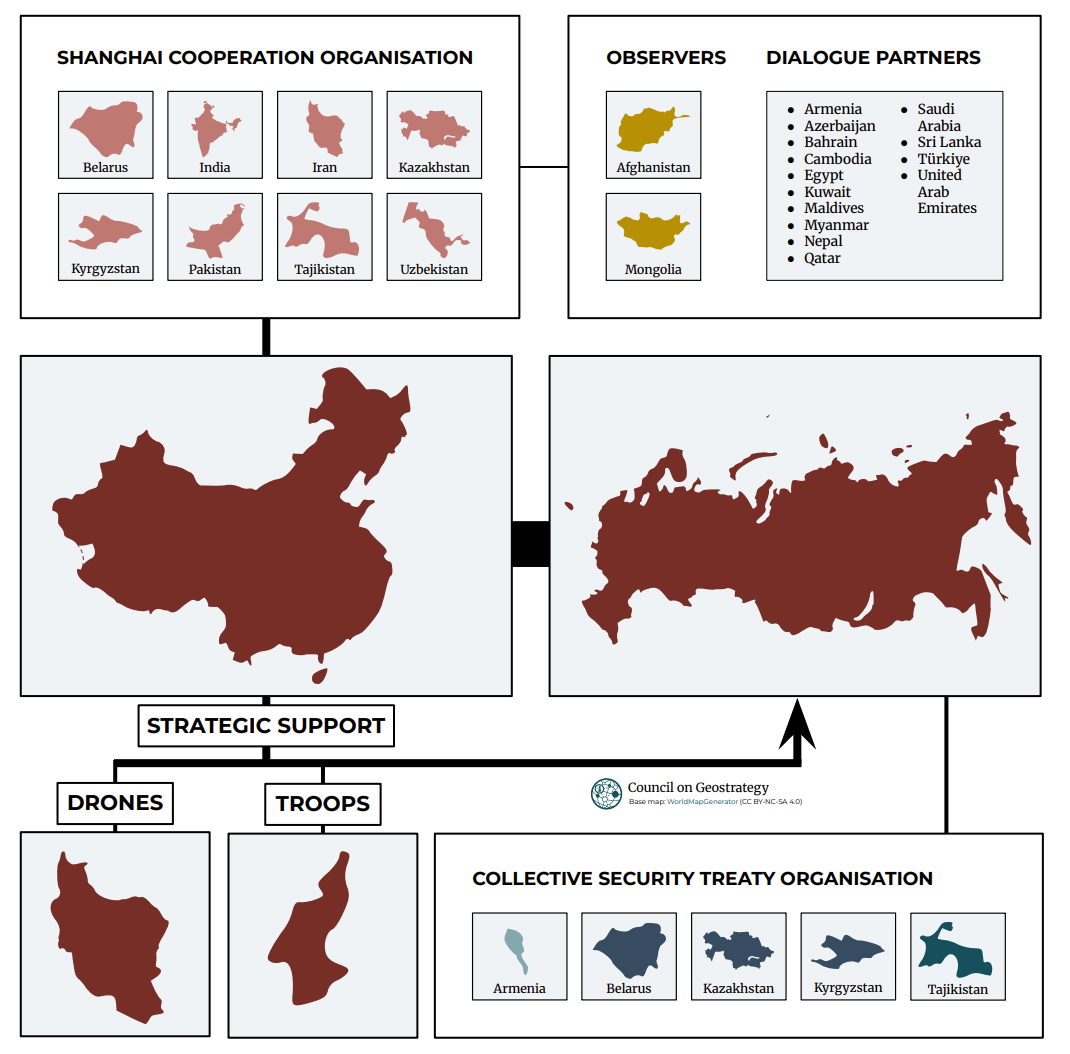
Centers of World Power (Council on Geostrategy)
The answer, as of this week, is no. Defense News reports that German Defense Minister Boris Pistorius acknowledged that the Trump administration’s decision to withdraw U.S. troops and shelve the Biden-era Typhon deployment has “torn this capability gap open again.” The Typhon system, carrying Tomahawk cruise missiles and SM-6 interceptors, was designed as a bridging capability precisely because European alternatives are not yet fielded. The European Long-Range Strike Approach, co-developed with the United Kingdom and now joined by France, targets ranges beyond 2,000 kilometers, but Pistorius’s own defense ministry declined to commit to any pre-2030 delivery date. Both German acquisition pathways for the Typhon, through a U.S. Department of Defense deal or a direct Bundeswehr purchase, have effectively collapsed.
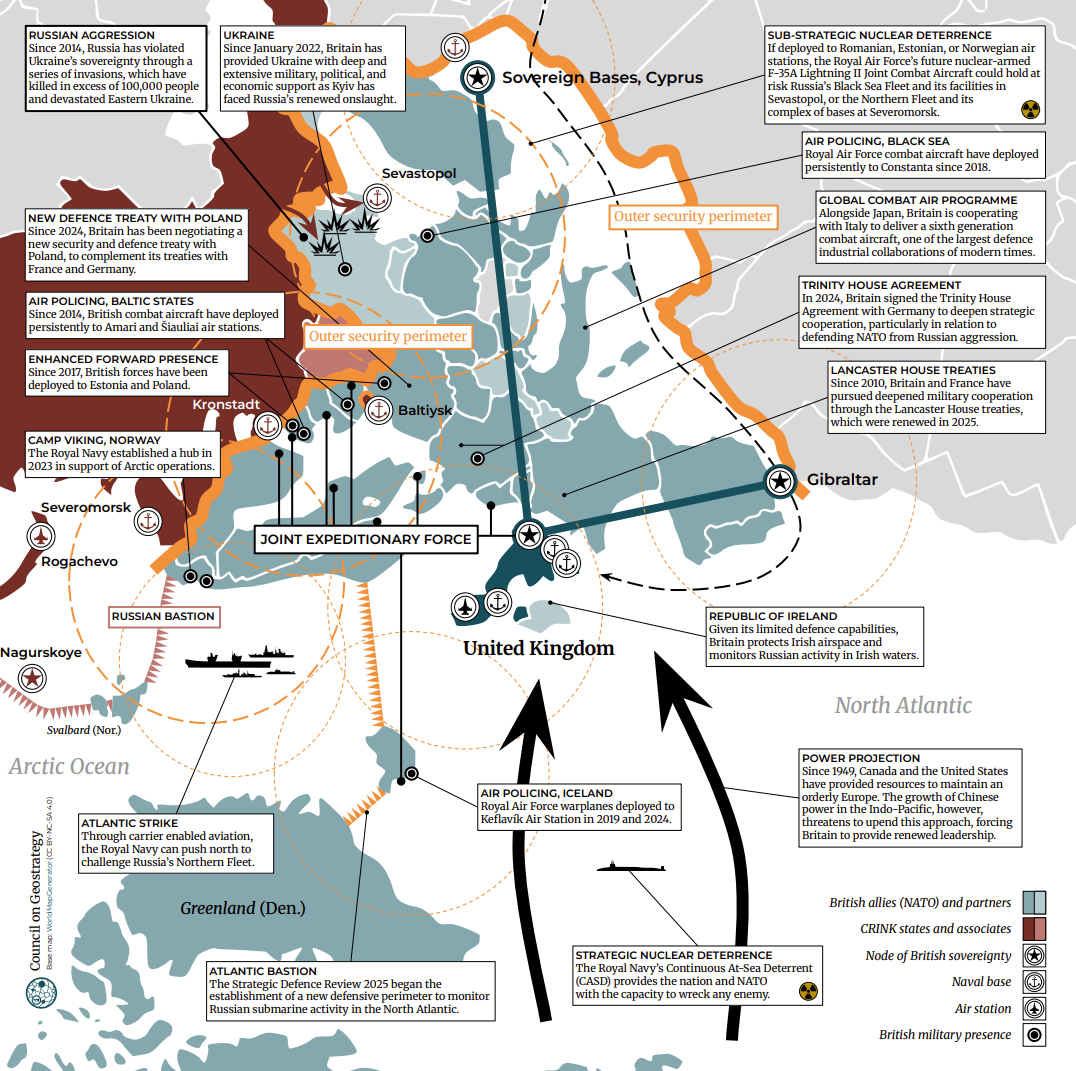
Defending Europe (Council on Geostrategy)
The intersection of these two timelines reveals a serious capability shortfall. Merilo articulates what an effective deterrent requires: the ability to identify targets, track them, direct effects, assess results, and carry those effects across the border before an adversary’s forces reach your own. That is a kill chain built on deep-precision strike. Germany just lost the near-term instrument that would have provided it, and the European replacement sits years beyond the window Merilo has identified. NATO defense planners, European procurement officials, and allied legislatures need to treat 2027 not as a planning assumption but as an operational readiness deadline. And the clock is ticking.

