





Another way to get supplies past the enemy: ghost-fleet tactics
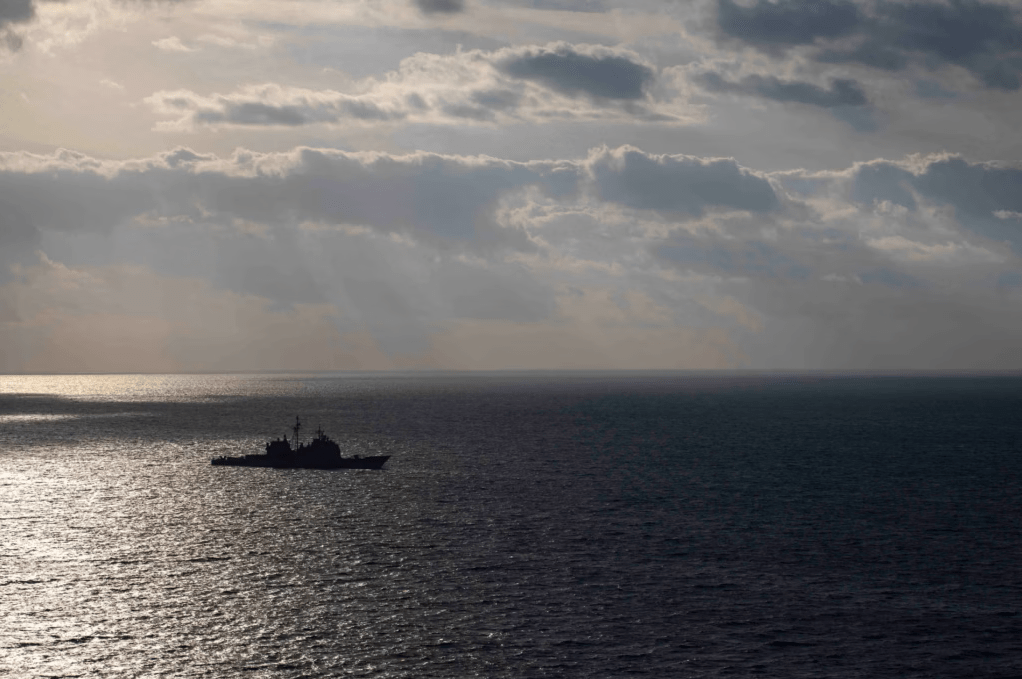

Andrew Rolander’s Essay “Another way to get supplies past the enemy: ghost-fleet tactics,” at the Australian Strategic Policy Institute argues that in a future Indo-Pacific War, the decisive challenge may be contested maritime logistics. Getting forces and supplies forward “from garrison to combat” will be a costly endeavor, and the best inspiration may come from outside purely military playbooks. Rolander points to “ghost fleets” and illicit maritime networks as proof-of-concept for operating under intense scrutiny, describing how states like China and Russia use deception to evade tracking and accountability.
Rolander proposes that the U.S. and partner navies adopt a similar mindset. Specifically, they should create alternative sustainment paths and preposition critical stocks before conflict without telegraphing intent—shifting toward distributed logistics that reduce reliance on vulnerable hubs and single points of failure.
This article raises an important question: What would a “ghost-fleet-inspired” logistics concept that preserves resilience and operational security without sacrificing transparency, allied trust, and strategic legitimacy actually look like?

