





How Local Criminals Help Russia Fight a Gray Zone War in Europe
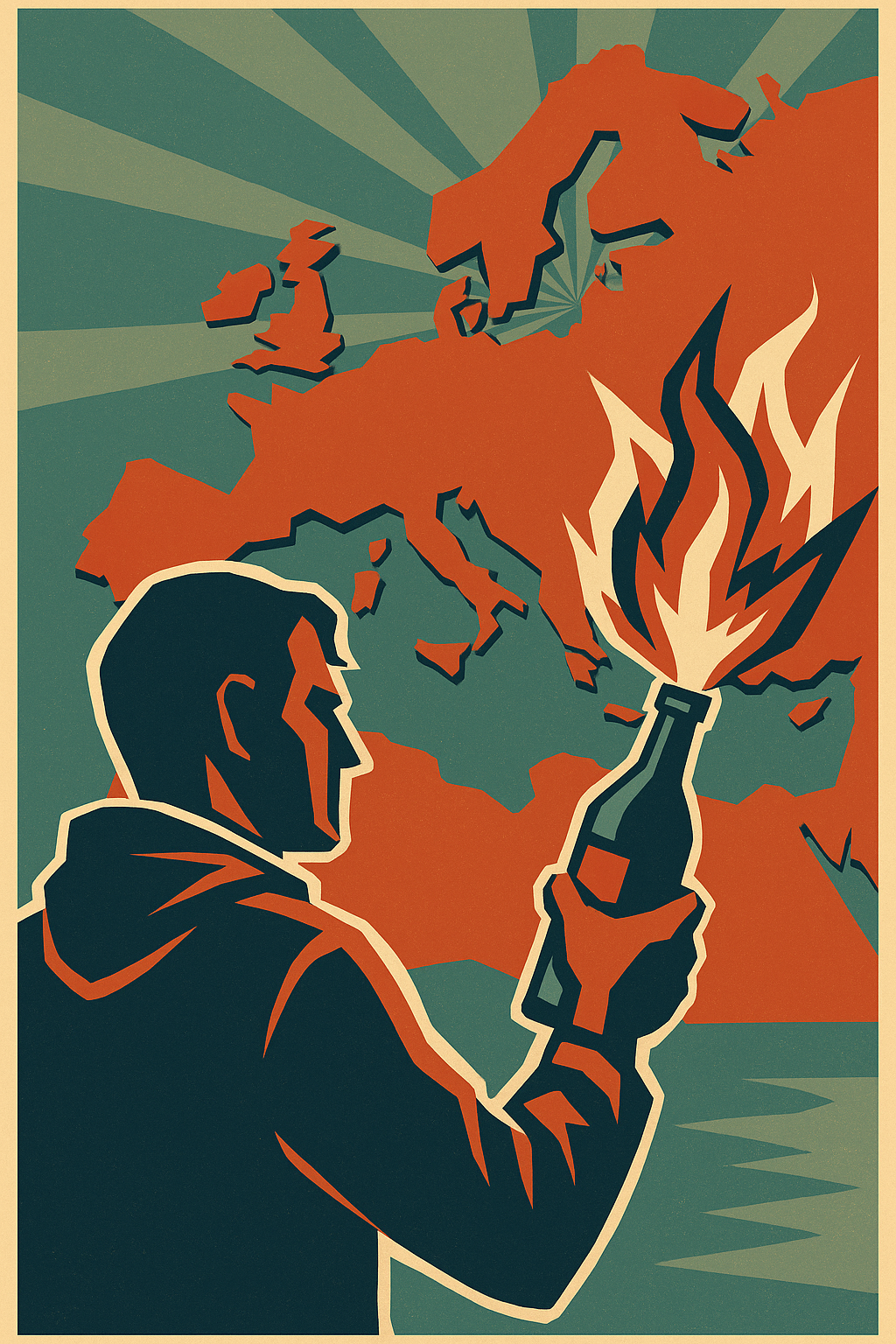

Take a look at Andrew Loftesnes and Robert Kremzner’s New Lines Institute article, “How Local Criminals Help Russia Fight a Gray Zone War in Europe.”
The authors examine how Moscow increasingly outsources arson, bombings, sabotage, and even assassinations to local petty criminals and occasionally hate groups to impose costs while maintaining plausible deniability and staying below the threshold of open armed conflict. They note that these kinetic operations have grown since Russia’s 2022 invasion of Ukraine and are often enabled by remote recruitment via Telegram and other messaging apps, drawing on pools of financially desperate or ideologically sympathetic recruits already inside target states.
Read alongside this essay at SWJ, “Quantifying the Gray Zone: A Framework for Measuring Hybrid Warfare Power Balances,” which proposes measurable domains—information influence, defense-industrial agility, science and technology competition, and clandestine capabilities—to move hybrid warfare analysis from metaphor to metrics. Such a framework can help quantify where Russia’s criminal-proxy approach fits within its broader gray zone toolkit.

