





Ukraine’s Revolution in Warfare: Three Takeaways the U.S. Army Can’t Ignore
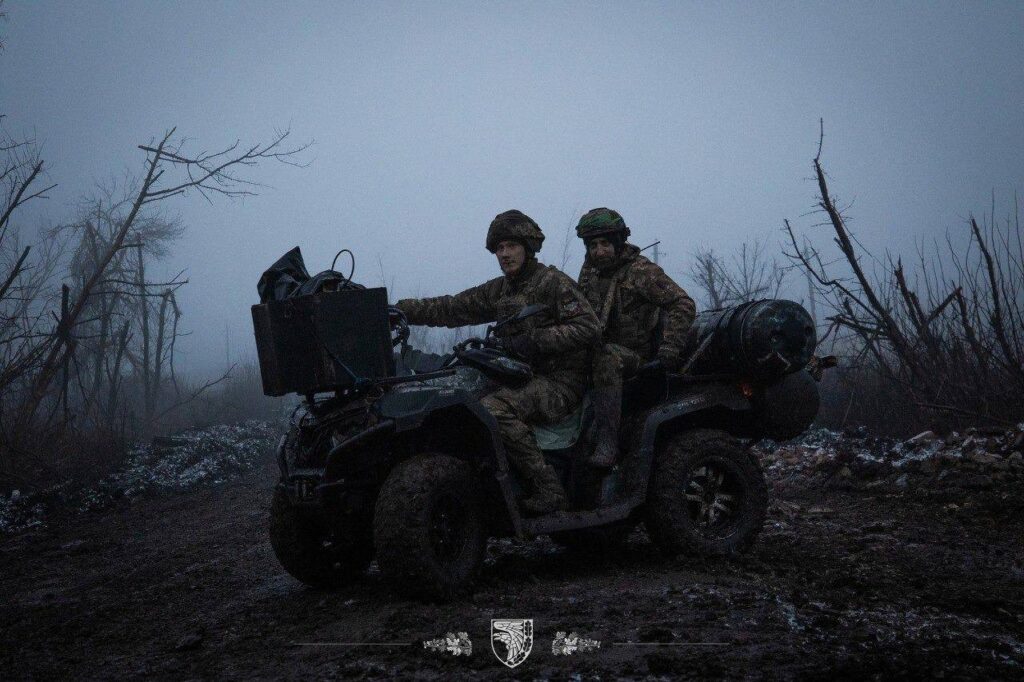

SOFX recently published a three-part series by Erik Kramer on the Ukraine War’s implications for the future of ground combat and what those lessons reveal about U.S. Army readiness. The series argues that Ukraine is less a one-off anomaly and more a high-fidelity preview of the conditions U.S. forces could face against a near-peer—dense drone surveillance, layered obstacles, relentless fires, and contested communications.
Part I (Mission Command, Maneuver, Intelligence): Ukraine’s 2023 counteroffensive highlights how drone-directed fires and mine-dense terrain punish large, predictable formations, forcing a shift toward dispersed, platoon-level “micro-engagements.” Part I warns that the Army risks recycling Cold War assumptions and must rethink Western expectations of air dominance, reliable comms/GPS, protected breaching, and manageable rear-area risk.
Part II (Movement & Maneuver): Large-scale maneuver is not dead, but it will be increasingly episodic on a battlefield where precision fires and persistent UAS make mass an easy target—especially in channelizing terrain and megacities. In Part II, Kramer calls for modular formations and routine lower-echelon combined arms, backed by updated MTOEs that push drones, EW, air defense, intelligence, and logistics down to company and platoon levels.
Part III (Fires, Sustainment, Protection): Ukraine is an artillery-and-UAS fight in which drones serve as ubiquitous forward observers, accelerating lethality and complicating counter-battery—meaning the U.S. cannot assume fire superiority. Part III extends these lessons to sustainment and force protection: rear areas are targetable, the “golden hour” is not guaranteed, drone and ammunition burn rates are extreme, and survivability demands dispersal, overhead cover, and layered counter-UAS.
Taken together, the series makes a single, urgent case that the U.S. Army’s challenge isn’t just integrating new tools—it’s redesigning doctrine, formations, and training for a transparent battlefield where signatures, mass, and slow decision cycles are lethal.

