





Russia’s Spring Offensive Begins Against Ukraine’s Fortress Belt: ISW
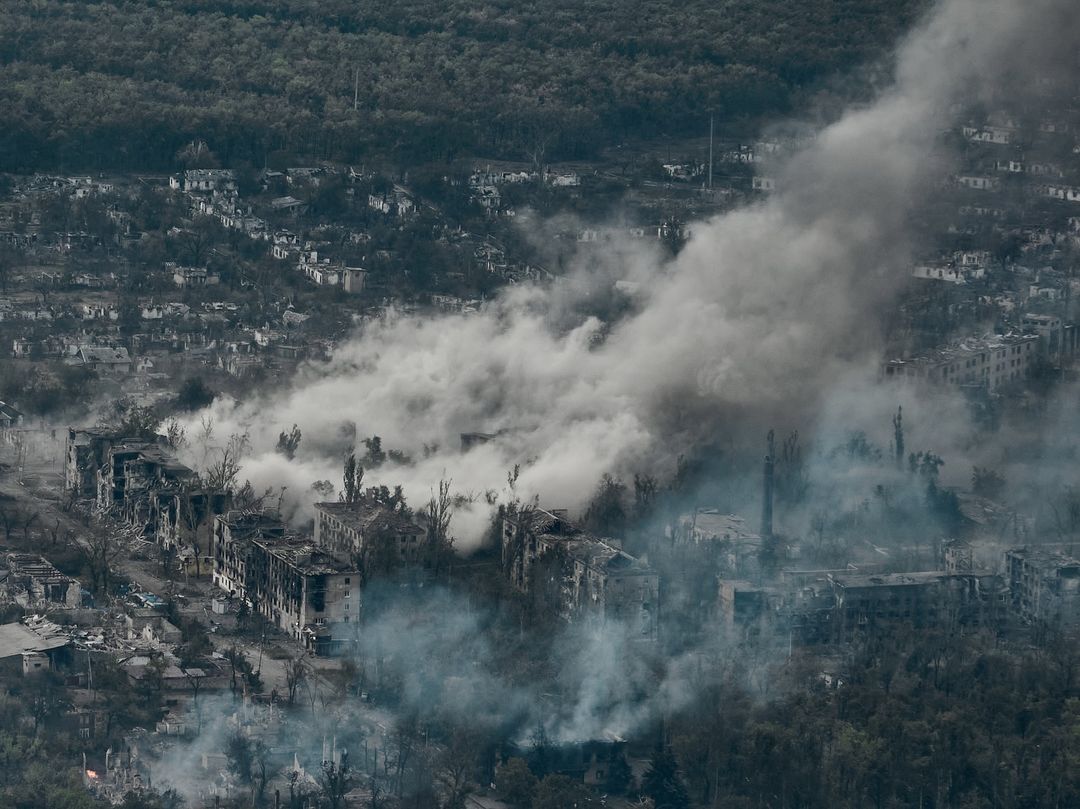

The Institute for the Study of War’s “Russian Offensive Campaign Assessment, March 21, 2026” reports that Russian forces have likely initiated their Spring–Summer 2026 offensive targeting Ukraine’s “Fortress Belt” in Donetsk Oblast. This defensive line anchors key cities including Slovyansk and Kramatorsk and remains central to Ukraine’s eastern defense.
Initial activity indicates the offensive is underway but still in its shaping phase, with Russian forces probing, concentrating forces, and increasing strike activity across multiple axes.
Here are some takeaways:
Costs and Constraints
Russian casualties over the past week have been roughly double the levels seen over the winter months, according to several outlets. Ukrainian reporting indicates that 405 Russian casualties were incurred out of roughly 500 personnel in a March 19 assault, reflecting an intensification of Russian activity.
On the other hand, force generation remains a constraint. Russian units are reportedly:
- Reducing training cycles from one month to one week
- Deploying underprepared personnel to sustain offensive tempo
Existing formations in the area, including elements of the 1st Guards Tank Army and 20th Combined Arms Army, are assessed as strained and may lack the combat power required for sustained breakthroughs.
Additional Developments
Ukrainian forces continue to demonstrate tactical adaptation. On March 21, they downed another Russian Ka-52 attack helicopter, marking the second such loss in two days. These incidents highlight the growing threat posed by FPV drones against rotary aviation near the front.
Diplomatically, U.S. and Ukrainian officials held meetings in Miami on March 21, with both sides describing discussions as constructive and ongoing.
Implications
Russian forces have begun a coordinated offensive against a critical Ukrainian defensive line, with pressure applied from both northern and southern approaches. The operation is characterized by larger, costly multi-pronged assaults combined with dispersed tactics; sustained air and drone interdiction campaigns; and increased efforts to generate combat power despite personnel and training constraints.
Early outcomes suggest that Russian forces may achieve limited tactical gains, but at high personnel and equipment costs. Ukrainian defensive positioning, counter-strike efforts, and terrain advantages are likely to slow advances and impose continued attrition on attacking forces.

