





Cognitive Warfare – The Human Mind is the Decisive Terrain of Future Conflicts
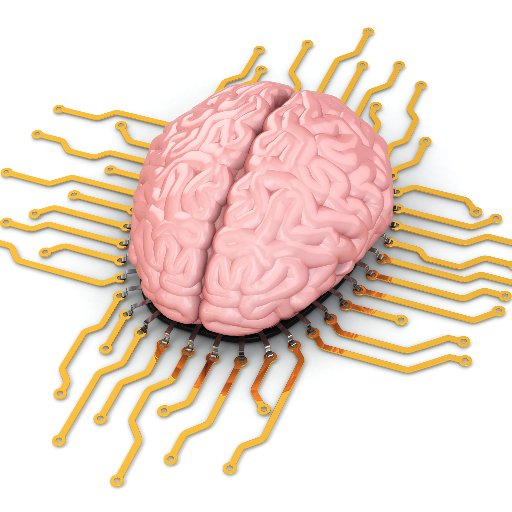

573. Cognitive Warfare – The Human Mind is the Decisive Terrain of Future Conflicts
From the Army Mad Scientist Initiative:
[Editor’s Note: Army Mad Scientist welcomes T2COM G2 analyst, Mr. Dorsel “Flip” Boyer as today’s guest blogger. Mr. Boyer expertly lays out how our adversaries view cognitive warfare, the emerging technologies impacting its transformation, and how the U.S. can respond! — Enjoy!]
Two stand out sections of the analysis:
Dealing with Cognitive Realities and De-limiting Traditional Doctrine
Data science and behavioral psychology have rapidly evolved since the dawn of the information age. Advanced computational models and ubiquitous data collection allow precise cognitive targeting that would have been previously impossible. Current tools and techniques enable adversaries to:
1) rapid synthesis of personalized disinformation created from machine enabled analysis of digital footprints
2) algorithmic manipulation of information environments
3) lower technical barriers for proxy actors to execute sophisticated psychological warfare.
Existing Western military frameworks often lack steady-state operational mechanisms for identifying or countering continuous cognitive campaigns. While information operations are integrated into tactical and operational planning, they are frequently treated as episodic for defined effects rather than continuous defensive and offensive measures. Western organizations often segregate cyber, psychological operations, and public affairs. This die-integration creates friction that malign actors readily exploit.
Addressing this operational asymmetry requires adaptation across the DOTMLPF-P framework to incorporate proactive measures against cognitive threats. This modernization may involve several core elements:
A clarified definition of the Cognitive Domain (Doctrine): Doctrine requires revision to recognize the cognitive sphere as an independent domain of warfare, parallel to land, air, sea, space, and cyber. Integrating cognitive security as a steady-state Phase 0 operation limits an adversary’s ability to shape the operational environment.
Persistent Organizational Structures (Organization & Personnel): Transitioning from ad-hoc information task forces to persistent, dedicated organizational structures may present new opportunities to monitor and counter ad
versary cognitive campaigns. These organizations might include data scientists, cognitive psychologists, and cultural analysts in addition to traditional Cyber, PSYOPs, and Public Affairs professionals.
Technologically Advanced Materiel Solutions (Materiel): Countering AI-driven cognitive attacks requires the acquisition and deployment of advanced detection tools. Suites must be capable of identifying synthetic media, algorithmic manipulation, and coordinated inauthentic behavior in real-time.
Evolving Training and Leadership Models (Training & Leadership): Preparing the force for a contested cognitive domain will necessitate updating training to include realistic simulations of targeted cognitive attacks. Building cognitive resilience in commanders and Soldiers is critical for decision-making integrity under persistent psychological pressure.
The operational implications of addressing this asymmetry include:
Decision Advantage: Adapting to the cognitive domain fortifies decision-making by reducing ambiguity generated by adversary disinformation.
Force Protection: These adaptations help ensure that military formations are shielded from micro-targeted psychological subversion, preserving morale, unit cohesion, and overall readiness.
Allied Interoperability: Harmonized cognitive defense standards facilitate intelligence sharing, joint narrative planning, and coalition resilience against wedge-driving operations.
Strategic Deterrence: Demonstrating a robust capability to defend the cognitive domain and counter-manipulate adversary perceptions signals readiness.

