





Process Over Purpose: The Cost of Scrutinization in Theater Special Operations Commands
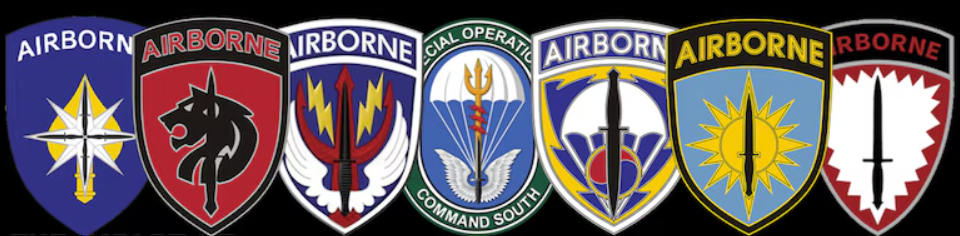

“The Impact of Synchronization vs. Scrutinization in TSOC Operations” (Special Warfare Journal, April 2026)
Chief Warrant Officer 2 Greg Settle argues that theater special operations commands (TSOCs) have allowed excessive operational scrutiny to displace their primary function of synchronizing resources, actions, and objectives in support of campaign goals. Drawing on Joint Publication 3-0’s definition of synchronization as arranging actions in time, space, and purpose to generate maximum combat power at the decisive point, Settle distinguishes between scrutiny that serves legitimate risk management and scrutiny that generates bureaucratic friction at the expense of operational momentum.
In recent years, some theater special operations commands (TSOCs) have tended to focus more on scrutinizing the actions of tactical units than on synchronizing resources and activities to support broader campaign goals… Operational success at the subordinate level often happens despite TSOC processes, not because of them. Units sometimes deliberately operate below the level one concept of operations (CONOP) threshold to avoid TSOC interaction and preserve momentum.
Through three operational vignettes—a delayed military freefall training event, a nearly rejected horsemanship concept, and a months-long advise-and-assist approval that cost USSOF a key partnership—Settle demonstrates how TSOC staff processes impose costs on units that have already cleared subordinate command review. He recommends that TSOCs empower subordinate commanders, streamline approval authorities, promote staff officer battlefield circulations, and build organizational cultures that reward tactical initiative. When oversight consistently outpaces synchronization, the TSOC transforms from a force multiplier into a strategic bottleneck, undermining both mission effectiveness and partner confidence in USSOF.
“Staff Processes in Large-Scale Combat Operations Part 1: The Rhythm of the Battle” (Small Wars Journal, September 2025) advances a similar argument to Settle’s. Rigid, highly structured battle rhythms with many boards, bureaus, cells, and working groups may support staff processes in static environments, but operations in large-scale combat demand a battle rhythm less reliant on a full suite of meetings on a rigid schedule. Both authors identify the same institutional pathology—headquarters elements defaulting to process compliance and meeting density as a proxy for control—at the direct expense of subordinate momentum and decision-making authority.
The articles converge around similar solution sets. Units should maintain a delegated authorities matrix to enable subordinate leaders to make decisions quickly, freeing senior leaders to insert themselves at actual friction points—a direct analog to Settle’s argument that low-risk operations with approved lines of accounting should not require re-authorization at the TSOC level. Both pieces reflect a broader institutional tension in Army command culture between the comfort of centralized oversight and the operational imperative of decentralized execution.
Highlights from “The Impact of Synchronization vs. Scrutinization”
Defining Synchronization and Scrutinization
Synchronization in military operations, per Joint Publication 3-0, Joint Operations, means arranging actions in time, space, and purpose to create maximum combat power at the decisive point… Scrutiny, when used properly, identifies risks to the operation, the individuals involved, or the command. It is vital for synchronization to identify key tasks and pitfalls so resources are allocated at the right time… Overly strict scrutiny only finds faults or nitpicks details unrelated to execution or results.
Impacts of Synchronization and Scrutinization on Operations
Friction from excessive scrutiny slows innovation, reduces productivity, and lowers employee morale… The most obvious effects are slow decision-making and lower operational tempo. Delays from ‘analysis paralysis’ cause missed opportunities. Eventually, trust between leaders and subordinates erodes, reducing initiative and risk-taking. This leads to lower morale and unit cohesion.
Potential Solutions
TSOC staff (particularly new or inexperienced staff) should be reminded that they are not commanders and that concepts have been reviewed and approved at multiple levels before they reach them. Low-risk operations with an approved line of accounting should not require a second authorization from the TSOC… Proactive monitoring, coupled with clear objectives and defined criteria for success, would nearly eliminate the need for constant approval requests… The TSOCs would benefit by recognizing and rewarding initiative and innovation at the tactical level.
Conclusion
Scrutiny, when applied appropriately, protects the mission and ensures standards are met. However, when it devolves into excessive fault-finding or micromanagement, it creates operational friction that slows momentum, diminishes morale, and erodes trust… By trusting the judgment of units that have already undergone multiple layers of command approval, the TSOC can transform from a bottleneck into a force multiplier.

