





Video: The Houthis Join the Fray | BBC
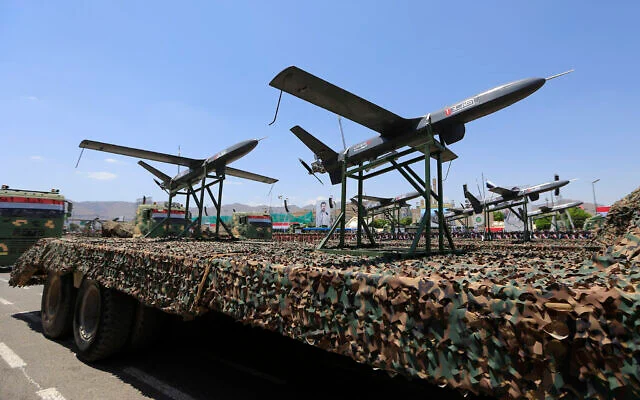

Houthi missile and drone launches toward Israel mark a widening operational footprint in the Iran war. As reporter James Waterhouse noted in a BBC News clip titled “Iran War escalates as Yemen’s Houthis attack Israel and threaten Red Sea,” “the footprint of this already vast war is widening further.”
Here are some of our takeaways from the video:
1. The Red Sea as a Pressure Point
The most immediate escalation risk sits at sea. Houthi threats to target shipping through the Bab al-Mandab Strait introduce a direct economic lever. The group previously damaged dozens of vessels over a sustained campaign, so the threat is not to be taken lightly.
With Saudi Arabia already rerouting roughly 4 million barrels of oil per day to Red Sea export routes, renewed attacks would place a critical energy corridor at risk at both ends.
2. Managed Attrition, Not Decisive War
Despite thousands of U.S. and Israeli strikes and claims that Iran’s military capacity is largely degraded, Tehran continues to generate attacks, including repeated missile waves. This reflects a strategy of persistence rather than parity. Iran is demonstrating the ability to absorb strikes and continue firing, while activating partners to complicate the fight.
3. Cross-Purposes in War Termination
Political end states remain misaligned. Washington signals a short timeline and frames the conflict in terms of decisive outcomes. Tehran responds with maximalist rhetoric of its own. These positions are not converging, and ongoing operations across multiple fronts undercut expectations of a near-term resolution.
4. Civilian Exposure
The operational expansion carries direct human costs. Strikes across Iran and Lebanon, as well as attacks on infrastructure and populated areas, continue to produce civilian casualties. The tempo and dispersion of operations increase uncertainty for civilian populations, particularly in contested areas where warning and attribution remain inconsistent.
To Sum Up:
- The conflict is transitioning into a multi-front campaign with distributed actors applying coordinated pressure.
- The Bab al-Mandab Strait is emerging as a central economic battlespace with global consequences.
- Iran’s approach emphasizes durability and disruption, not decisive confrontation.
- Expectations of a short war are inconsistent with current operational patterns and geographic spread.
For a recent critical perspective on the Iran war, read Penny L. Watson’s article “War with Iran: Trump’s Zero-Sum Game” which argues that the U.S. is not achieving its objectives and will soon be forced into putting boots on the ground.

