





The First AI-Driven War? Palantir’s Perspective on Iran
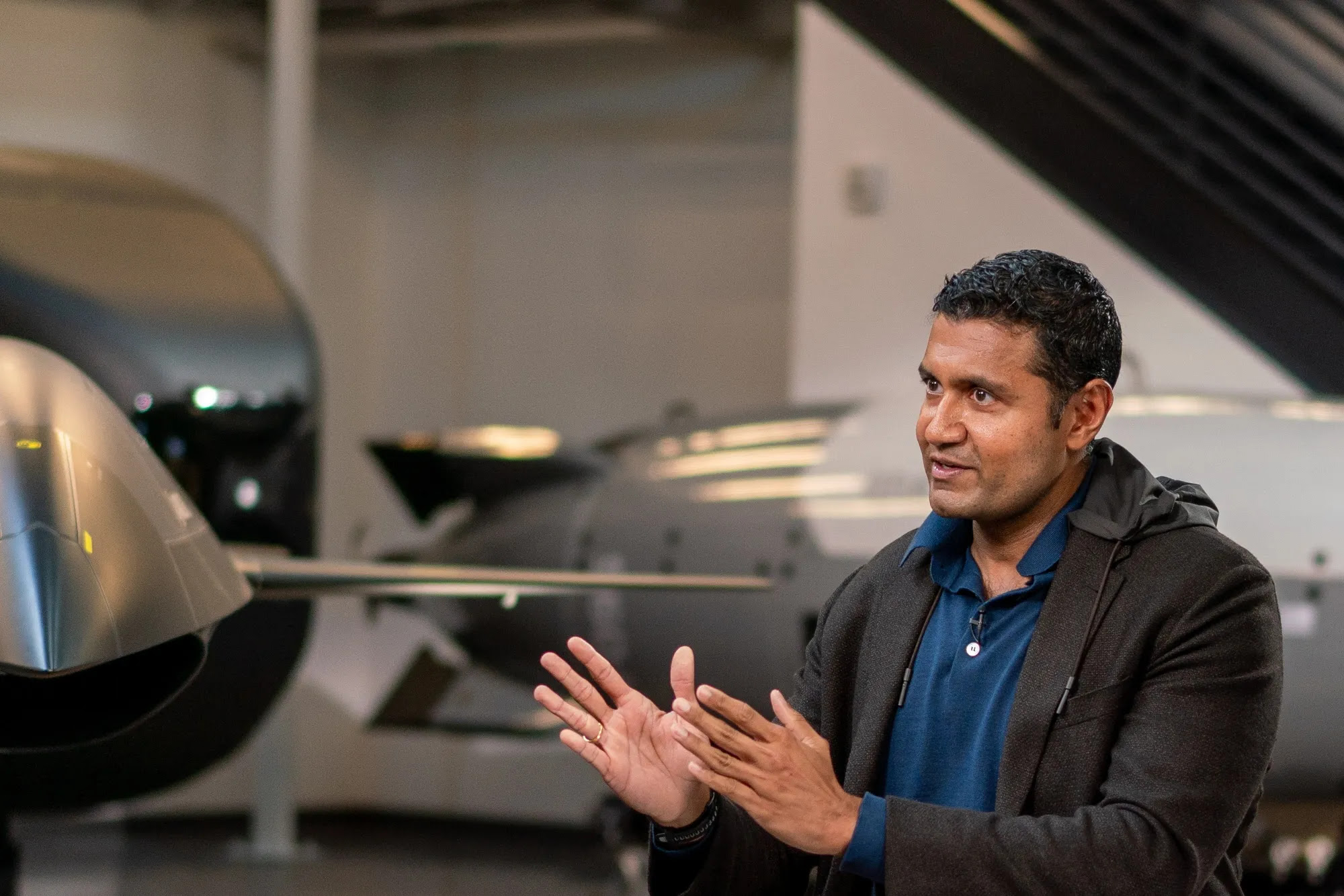

Palantir Technologies Inc. CTO Shyam Sankar framed the ongoing war in Iran as a turning point in modern conflict in an interview with Bloomberg TV.
Obviously current operations are ongoing, but people will reflect back and say this is the first large-scale combat operation that was really driven, enhanced and made substantially more productive with technology, with AI.
AI systems are shaping how data is processed, decisions are made, and targets are selected.
From Data to Decision
At the core of this shift, he claims, is the integration of platforms such as Palantir’s Maven Smart System, which aggregate and process large volumes of battlefield data, accelerating what has traditionally been a slow and layered targeting process. AI compresses timelines across the kill chain, enabling faster identification and prioritization of targets.
The word ‘targeting’ to the lay public has some sort of connotation, it sounds like someone’s shooting…. But it’s actually a very bureaucratic, large-scale doctrinal process.
AI helps manage the scale and complexity of such operations in an efficient way..
Friction and Risk
Disputes between the Pentagon and AI firms over safeguards and autonomy reflect unresolved questions about control, accountability, and acceptable use. These tensions do expose a gap between operational demand for speed and the constraints imposed by governance and industry norms.
A Different Model
To get over these bumps in the road, Sankar advocates for:
- A more iterative approach to military technology development.
- Fielding large numbers of experimental systems, accepting that only a fraction will prove operationally decisive.
“We built 154 different airframes in World War II. Maybe 10 of them mattered…. We should be fielding 154 different LUCAS variants right now.”
- Near-term, applied systems that deliver operational advantage in ongoing conflicts, as opposed to blind faith in Artificial General Intelligence (AGI).
Our Take
The Iran conflict illustrates a shift in how military effectiveness is generated. Advantage is increasingly tied to the ability to process information, shorten decision cycles, and integrate software into operational workflows.
This evolution places pressure on acquisition systems, civil-military relationships with technology firms, and doctrinal approaches to targeting. The question is how quickly and at what scale AI can be integrated into combat operations.
While You’re Here
Read Col. (Ret.) John Herrman’s “Decision Dominance in the Age of Agentic AI,” which lays out how decision dominance in modern warfare depends on integrating agentic AI into command processes to accelerate understanding, decision-making, and action faster than adversaries.
For a view on how AI can be used to enhance wargaming, read Lt. (Ret.) Thad D. Weist, Maj. Skyler G. Kepley, and Maj. Braxton C. Musgrove’s article “Decision-Making: Integrating Artificial Intelligence into the Modern Wargame.”

