





The Weight of War and Reclaiming Combat Agility | Special Warfare Journal
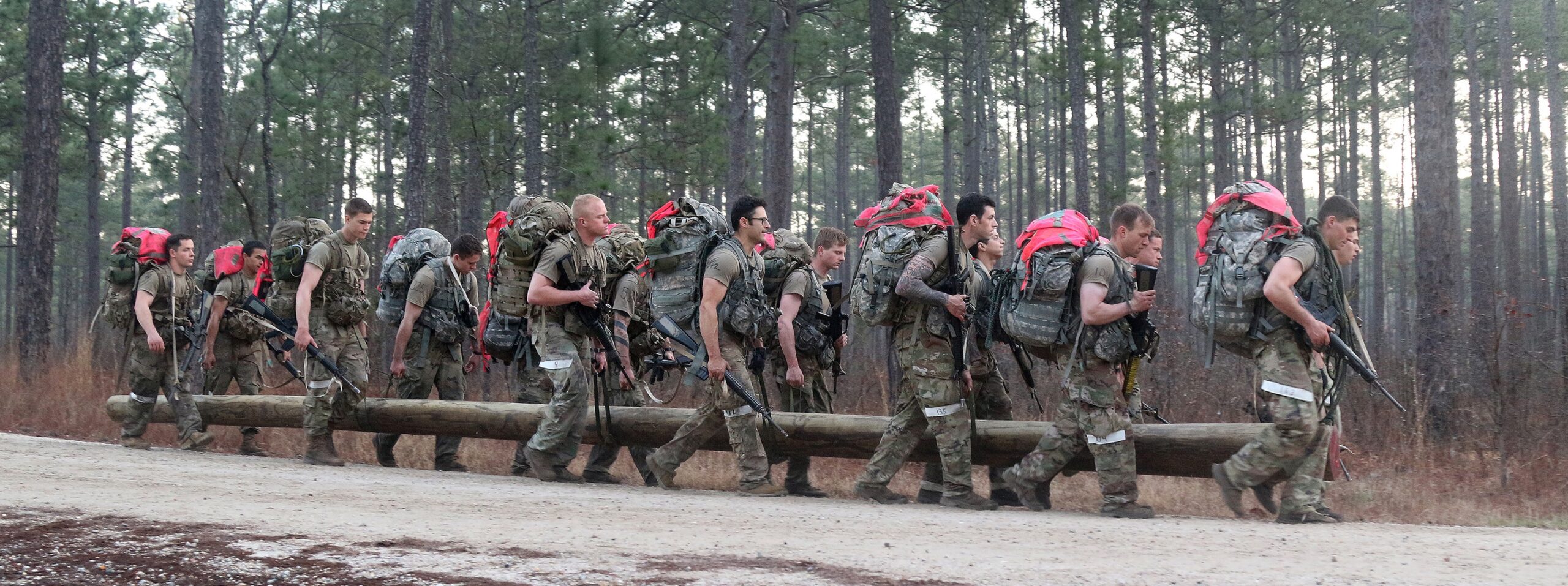

“The Weight of War and Reclaiming Combat Agility” by CW2 Aaron McClendon (Special Warfare Journal, March 2026)
Chief Warrant Officer 2 Aaron McClendon argues in this latest Special Warfare Journal article that the U.S. Army must prioritize mobility and agility over excessive protection and equipment as it transitions from the Global War on Terror to large-scale combat operations. McClendon explains that modern soldiers carry significantly heavier loads than previous generations, which degrades mobility, increases fatigue, and reduces lethality.
Typically, Allied and Axis infantry would carry their weapons, ammunition, one to two quarts of water, an extra pair of socks, a raincoat, one to two days of rations, and their load-bearing vest. Compare this loadout to what the typical packing list or loadout is for modern U.S. infantry soldiers, which includes an extra pair of boots, two pairs of uniforms, five pairs of socks, five shirts, five to ten meals ready to eat, four quarts of water, a sleep system, a poncho, a tool, a double basic combat load, a plate carrier, a helmet, night vision devices, etc… the depth and breadth of the Allied forces in World War II were remarkable, yielding lessons that inform fundamental frameworks for modern-day military sustainment. However, despite the vast industrial backing of military sustainment at the time, forward offensive forces (e.g., Jedburgh teams operating in denied areas) still relied on battlefield recovery to sustain their forces and maintain offensive momentum.
He situates this problem within a broader institutional transition in which the Army must rethink doctrine, force structure, and sustainment practices. Overreliance on protection, logistics, and technological solutions can create vulnerabilities rather than advantages. Ultimately, McClendon contends that combat effectiveness depends on an agile force capable of rapid maneuver, risk acceptance, and operational adaptability in contested environments.
Battlefield recovery not only allowed the Jedburgh teams and the whole of the Allied forces to reduce the overall weight they carried but also to outmaneuver and extend their operational reach, which would not have been possible if they were reliant solely on standard military logistics… The future battlefield will be won not by the force most burdened with contingencies, but by the one that can out-think, out-maneuver, and out-pace its adversary… The ultimate form of force protection is the ability to overwhelm an adversary before they can effectively react… achieved by an unburdened, agile, and relentlessly lethal force.
Brig. Gen. Matthew J. Hardman and Lt. Col. Ian M. McConnell similarly argue in “Special Operations Forces in Large-Scale Combat Operations” (Military Review, November 2025) that USSOF must operate with a small, agile footprint while integrating with conventional forces to maintain tempo and effectiveness in contested environments. Their analysis highlights how SOF units sustain operational reach through distributed operations, flexible command relationships, and minimal logistical burden, often embedding within larger formations to preserve agility while extending influence across the battlefield. Together with McClendon’s argument, this reinforces a shared conclusion that future combat effectiveness will depend on forces that can operate lightly, adapt quickly, and maintain tempo without becoming constrained by the weight and complexity of their own sustainment systems.

