





A 2016 Warning About Weaponized Drones: The Army’s Early sUAS Threat Experiment
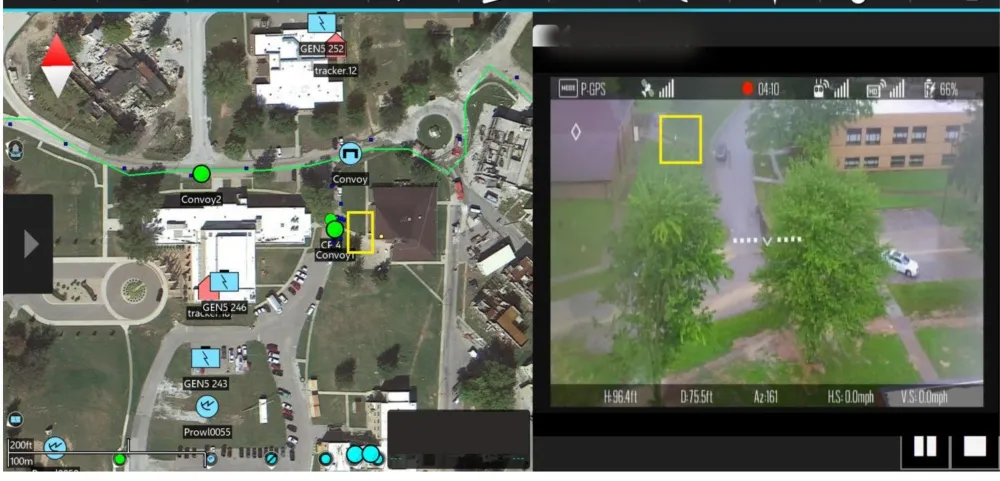

Army Science and & Technology, Systems Adaptive Red Team, UAS and Threat Experiment 2-16 (sUAS News, Aug. 2016)
Published in August 2016, nearly a decade before small drones became a defining feature of modern warfare in places such as Ukraine and the Middle East, this sUAS News article forecast the operational threat posed by small unmanned aerial systems. The article describes how the U.S. Army Systems Adaptive Red Team conducted experiments that simulated drone attacks against convoys and urban targets using commercial off-the-shelf platforms. Researchers intentionally stress-tested systems in realistic environments to identify vulnerabilities and to develop counter-UAS tactics before operational forces faced the threat in combat.
This story has not happened yet but for the men and women conducting UAS Threat Experiment 2-16… it’s not a matter of if, but when, the scenario is all too real…From the span of conflict areas encompassing the globe to Homeland Defense and border protection… the rapidly evolving and adaptive use of small UAS presents an emerging threat and potential opportunity for the U.S. Army.
The experiments also studied improvised explosive payloads, autonomous targeting against moving vehicles, and drone command-and-control in urban environments. The article argues that militaries must anticipate the spread of weaponized commercial drones and build doctrine and defenses through experimentation and red-team analysis.
Two recent Small Wars Journal articles illustrate how the ongoing debate over drone warfare reflects the warning presented in the 2016 article. In “The New Arms Race: Global Drone Dominance and America’s Tactical Wake-Up Call,” Bill Edwards argues that unmanned systems now “dominate the modern battlefield” and that the global ecosystem of drones, robotics, and networked systems is rapidly reshaping tactics and military planning. By contrast, Amos Fox argues in “Drones Are Game-Changing… But Not War-Winning” that drones alone cannot control terrain or deliver decisive strategic outcomes, emphasizing that they must remain integrated with conventional land forces. Together, these perspectives suggest that the 2016 assessment correctly anticipated the operational rise of small drones while leaving open the ongoing debate over how far they transform the broader character of warfare.

