





El Mencho Is Dead. Now Comes the Hard Part For Law Enforcement
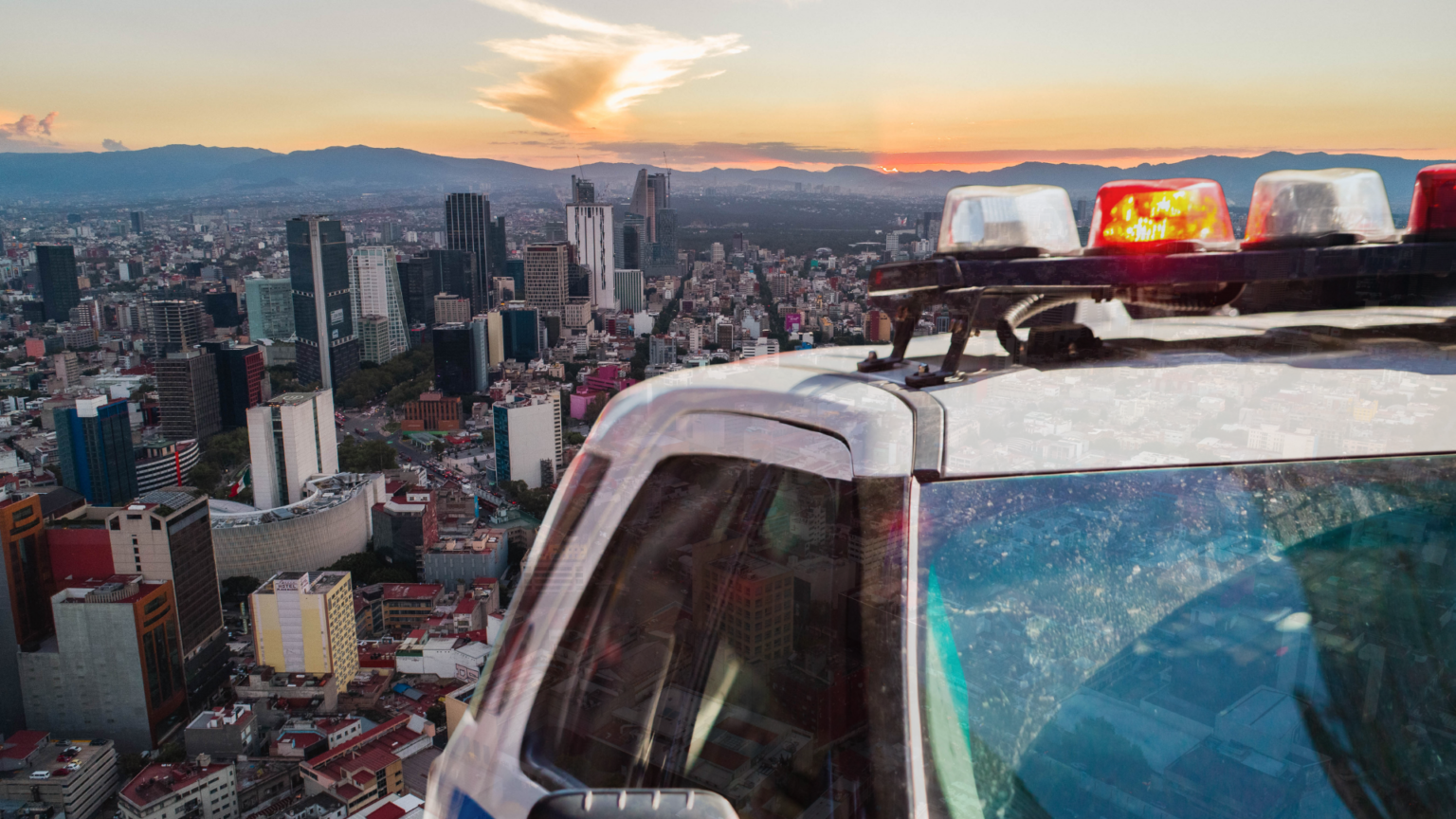

Dr. Nathan Jones of SWJ El Centro examines what the removal of one of Mexico’s most powerful cartel leaders means for the country’s security environment and for law enforcement tasked with managing the aftermath in his latest work, “The Law Enforcement Implications of the Killing of El Mencho,” for Homeland Security Today
What Happens After
CJNG built a vast national presence through alliances and subordinate groups that operate across Mexico. The organization’s structure centered heavily on El Mencho’s authority and reputation. His death raises the prospect of fragmentation as factions compete for territory, revenue, and influence. These periods of transition often produce spikes in violence, opportunistic criminal activity, and sudden shifts in trafficking routes. Municipal police forces frequently face the first wave of these disruptions.
Security Pressures on the Horizon
The timing is sensitive. With Fifa World Cup events in Mexico City, Guadalajara, and Monterrey, these international soccer matches will draw global attention in the coming months. Mexican authorities are likely to increase security deployments, including the Mexican National Guard, to deter high-impact violence and reassure the public. At the same time, conflicts involving factions of the Sinaloa Cartel continue to generate instability in other regions of the country.
Why This Matters
Dr. Jones argues that the months ahead will test law enforcement’s ability to manage volatility. Agencies must track emerging faction leaders, monitor alliance shifts, and disrupt financial and logistics networks that sustain cartel operations. The death of El Mencho closes one chapter in Mexico’s criminal landscape. What follows may reshape it.
For a recent perspective on how to approach dismantling cartels following El Mencho’s death, read Nicole Jenne and Marcos Alan Ferreira’s “Beyond the Kingpin: What El Mencho’s Death Reveals About Cartel Resilience.”

