





Winning Influence in the Cognitive Domain
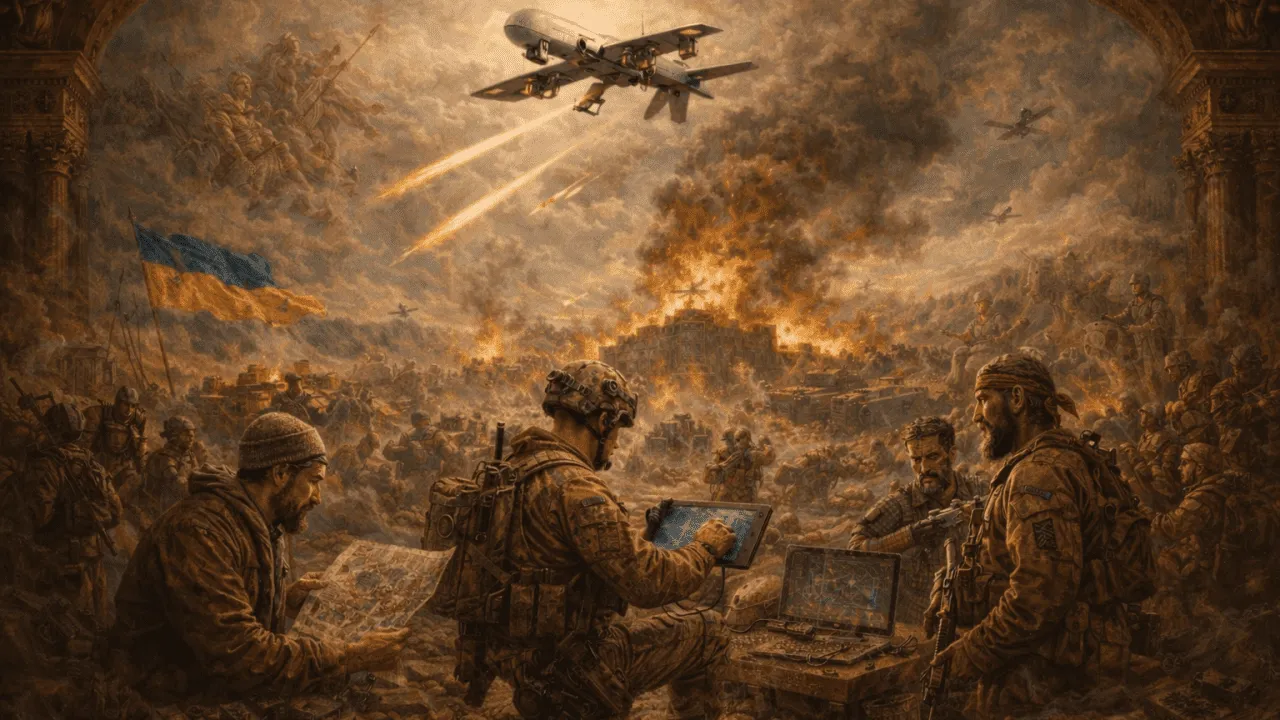

Beyond Lethality: The Primacy of Influence in Cognitive Warfare
In an article for the Irregular Warfare Initiative, Dr. Joseph Long argues that modern conflict is fought primarily in the cognitive domain. The industrial model of mass destruction has given way to contests over perception and narrative framing. In digitally connected societies, populations interpret events in real time and shape political outcomes accordingly. Lethal force retains utility, but its strategic effect depends on whether it reinforces credibility and coherent political objectives.
Influence as Strategy
Hybrid warfare blends military action with information operations, political coercion, and economic pressure. Long contends that influence operations, strategic communication, psychological operations, cyber enabled messaging, and economic statecraft now sit at the center of campaign design. Social media fragmentation, disinformation, and AI have intensified the struggle for narrative dominance. Tactical success that erodes trust or fuels adversary propaganda can undermine broader goals.
Power and Responsibility
The expansion of warfare into the cognitive realm carries ethical weight. Efforts to shape belief and behavior risk crossing into manipulation, surveillance excess, and epistemic instability. Long calls for integrated national approaches that strengthen public resilience and alliance cohesion. Future campaigns will hinge on how effectively states align force, persuasion, and legitimacy within contested information environments.
See Jon Reisher’s “Cognitive Warfare and the Indo-Pacific,”, which explores a similar approach for the United States and its allies in a potential future battleground. Reisher’s work was originally published for IWI, but republished in SWJ as a part of our partnership.


This highlights how modern conflict is no longer just about physical battles but also about controlling narratives and public perception. Balancing strategic influence with ethical responsibility is becoming a major challenge for states. If trust and legitimacy are lost, even tactical success can backfire—almost like a Slope Rider run where one wrong move can shift the whole direction.