





“What happens in Iran doesn’t stay in Iran”: Analysis from the Atlantic Council on the Ongoing US-Israeli Campaign
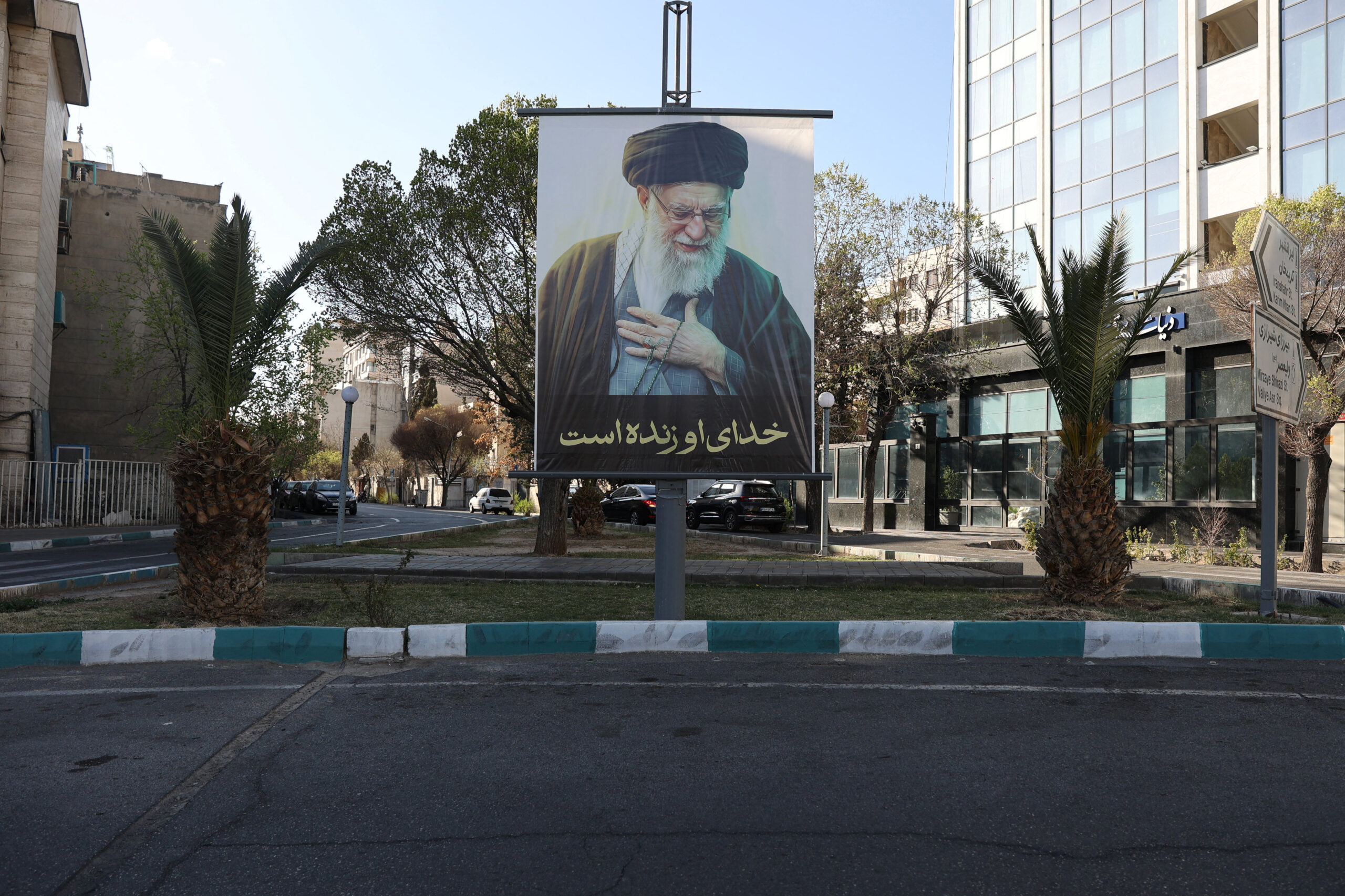

In this March 1st Atlantic Council Dispatch, experts assessed the ongoing regional fallout following the US-Israeli campaign that killed Iranian Supreme Leader Ali Khamenei and openly aims at regime change. Iranian counterstrikes have extended beyond Israel to Gulf states hosting US forces, hitting both military and civilian infrastructure. The conflict is effectively a regional one, with second and third order effects already visible.
Israel
Shalom Lipner portrays Israeli leaders treating the killing of Iran’s supreme leader as a strategic inflection point. Jerusalem views the strike as a direct challenge to regime continuity in Tehran and to Iran’s regional network. Officials expect retaliation and prepare for escalation across multiple fronts. At the same time, they calculate that Tehran misread Washington’s resolve and now faces internal uncertainty over succession and control.
United Arab Emirates
Missile interceptions over the UAE prevented broader destruction, yet falling debris killed civilians and damaged infrastructure. Emirati authorities condemned the strikes as violations of sovereignty and reaffirmed security coordination with the United States. Eric Alter writes that the attacks underscore how quickly Gulf states can become active theaters, even when they pursue pragmatic diplomacy with Iran.
Saudi Arabia and Qatar
Riyadh and Doha have invested heavily in mediation and regional de-escalation. Iranian strikes against Gulf territory strain that approach, claim Aziz Alghashian and Khalid Al-Jaber. Targeting states that sought dialogue forces both governments to reassess deterrence, force protection, and the limits of engagement with Tehran.
Iraq
Victoria Taylor points to the risk that Iran-aligned militias could strike US targets inside Iraq, drawing Baghdad into retaliatory cycles it cannot control. Escalation would deepen political fragmentation and test Iraqi sovereignty. A weakened Tehran, however, could also create space for Iraqi leaders to recalibrate relationships with armed groups and external patrons.
Lebanon
Nicholas Blanford notes that for Hezbollah, entering the war would invite severe Israeli retaliation against Lebanese infrastructure and intensify domestic backlash. Standing aside, however, strains Hezbollah’s ties to Tehran and raises questions about its strategic calculus.
Turkey
Ankara watches the conflict through the lens of border security, energy stability, and Kurdish militancy, writes Defne Arslan. Turkish leaders prepare for refugee flows and economic disruption while positioning themselves for diplomatic maneuver. NATO obligations and regional ambitions pull Turkey in different directions.
The Palestinian Territories
Gina Abercrombie Winstanley warns that Gaza’s humanitarian crisis will worsen as crossings close and international focus shifts elsewhere. Regional governments now devote political capital to escalation management with Iran, leaving Palestinian reconstruction and relief efforts with diminished urgency.
Read Dr. Christopher Zambakari’s initial perspective on the “next chapter” of the United States’ escalation in the Middle East following Operation Epic Fury in: “U.S.-Israel Strikes on Iran: Preliminary Assessment.”

