





Living with the Ukraine War and its Consequences | USNI Proceedings

In Living with the Ukraine War and its Consequences, published by the U.S. Naval Institute’s Proceedings, Geoffrey Till argues that the Ukraine war has reshaped how states wage conflict and manage its aftermath.
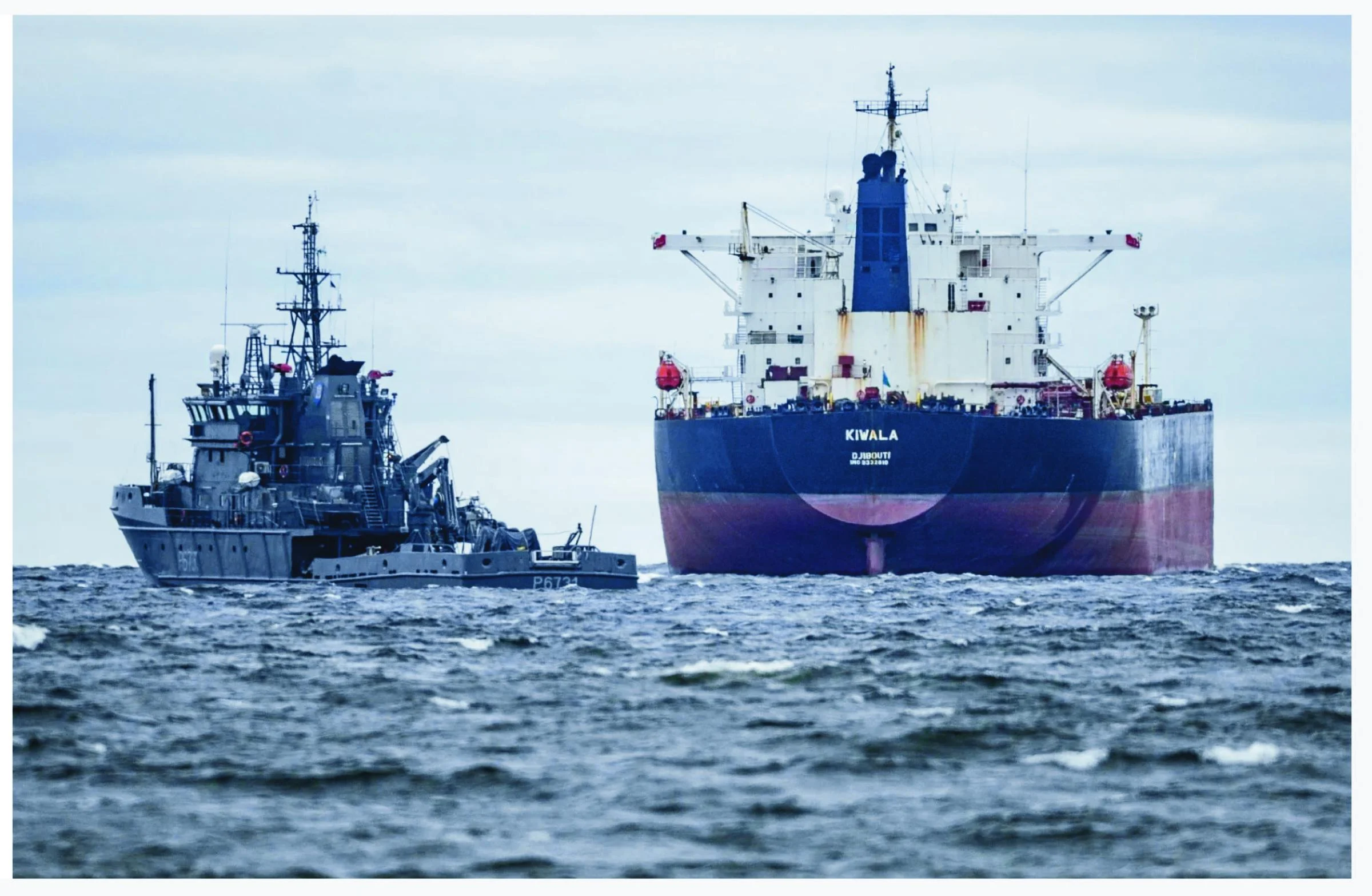
Till shows how Russia and Ukraine blend kinetic strikes with non-kinetic pressure, and he warns that leaders normalize deadly force while eroding legal restraint. He surveys drone-driven attrition, industrial mobilization, sanctions and shadow fleet trade, and grey zone operations that attack economies and political cohesion. He calls on the United Kingdom to strengthen strategic partnerships and field naval forces that protect maritime trade, deter hybrid threats, and sustain a rules-based international order.
The Normalization of Deadly Force
The absence of fighting doesn’t mean peace… peace and war are indissolubly linked… different parts of the same process of pressuring an adversary, with kinetic activities turned on or off like a tap as circumstances require…What all this does is to turn killing people and blowing things up into a normal part of political discourse… Recourse to the sustained and deliberate use of actual or potentially deadly force, even against civilians in times of peace, together with the absence or significant reduction in moral or legal restraint, threatens to become routine.
Ukraine and the 57 Varieties of War
The Bondi beach massacre also shows the sheer variety of forms that war can assume and which, these days, therefore need to be prepared for. All of them can be seen in the Ukraine war but three particular perspectives stand out.
The Military Technical Perspective
Quick decisive wars between significant powers based on maneuver are vanishingly unusual… war is normally grindingly attritional, slow and costly in lives and materiel…War becomes essentially static with limited opportunities for maneuver… everything is seen and responded to…The result is an industrial approach to warfare, a contest in military production, in which success derives from the scale, variety and efficiency of a country’s war industry and wider economy.
The Economic Perspective
The absolute reliance of the forces on both sides on industry in producing the quantity and quality of the weaponry they need, means that the other side’s war economy becomes a prime target…Sanctions… are a form of economic warfare… blunt instruments… they usually take a long time, can blow back on the sanctioning party, and may inflict collateral damage on bystanders.
Such cost-imposition strategies are often decisive in the long run… the resources of the modern state, if sufficiently resolute, are enormous; exhausting them takes time.
The Grey Zone Perspective
The obvious response is to engage in the grey zone operations in the shadowlands between peace and war…Such ambiguous and illicit attacks further blur the difference between peace and war, and undermine international law as a restraint on inter-state behavior.
The Fracturing of Strategic Community
Many of these challenges could be managed and an international order preserved, were there a functioning strategic community able to act as a ‘system maintainer’ and keep the show on the road. That community, however, is fraying at the moment.
The US and its allies and partners in the Indo-Pacific, but especially the Euro-Atlantic theatre, however, are currently assailed by a particularly bad case of ‘Westlessness’…In a significantly more multipolar and contested world… no-one can currently manage the system on their own.
Naval Conclusions
We do not want to create a situation of ‘forever near war’… conditions have ultimately to be created in which we can live alongside a paranoid Bear as well as manage it…Security is indivisible… our interests are global not just regional and that’s where the Navy comes in…Properly rounded maritime power is intimately connected with the global generation, weaponization and defense of wealth… navies can shape those economies…One of the biggest lessons of the awful air-land war in Ukraine is the extent to which it reveals the overwhelming importance of the maritime domain.

