





War Injuries: Seeing Beyond Weapons and Doctrines

Abstract
War injuries are more than collateral damage; they are historical markers that reveal how wars are fought, the weapons used, and the doctrines that shape them. From Napoleonic amputations to traumatic brain injuries in modern conflicts, and the collapse of the “Golden Hour” in Ukraine, these wounds testify to the evolving interplay between weapons, protection, and human vulnerability. They underscore that the true story of war is written not in triumph but in the visible and invisible scars that demand care long after the guns fall silent.
“The medics generally see the worst of the worst. They see everything. They’re working on their friends, and they’re working on their enemy.” – Brendan Fehr
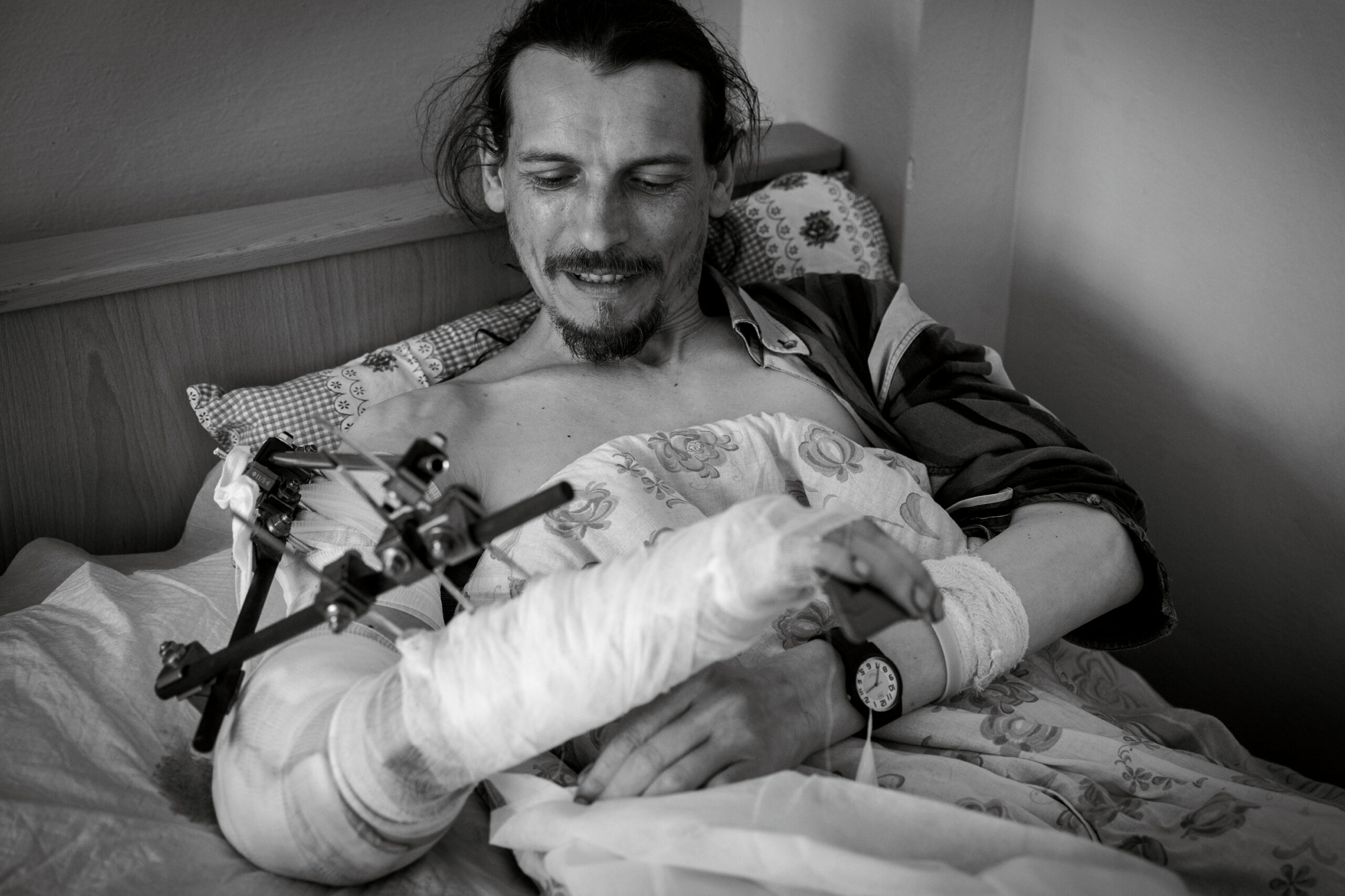
Every battlefield tells a story written in flesh and bone instead of in thunderous speeches and compelling narrative of righteousness. War injuries are more than collateral damage; they are the silent memory of conflict. They tell the story of how the war was fought and with which weapons. All changes in warfare will be found in changes in war injuries. From shattered limbs on Napoleonic fields to traumatic brain injuries (TBIs) in asymmetric wars, wounds reveal the evolution of warfare itself. Each scar is both a marker of progress and a reminder of its human cost.
War injuries have always mirrored the weapons that inflict them, each era inscribing its own signature on the human body. In the Napoleonic age, the battlefield was a theatre of close-range brutality. Musket balls shattered limbs with blunt force, while cannon fire tore through ranks. Bayonets and sabers completed the spectacle, carving deep wounds in hand-to-hand combat. Blast injuries from artillery shells began to appear in greater numbers, but they were still relatively rare, foreshadowing a future where explosive forces would dominate warfare. For the wounded, survival was a race against time and infection. Amputation became the surgeon’s refrain, performed without anesthesia. The true enemy was not always the weapon; it was the invisible contagion that followed. Gangrene and septicemia claimed more lives than musket fire, thriving in the filth of improvised hospitals where sanitation was an afterthought.
The Crimean War marked a pivotal shift, not in the scale of wounds, but in their management. The injuries themselves were familiar: shattered limbs from musket balls, deep cuts from bayonets, bodies mangled by artillery. Yet mortality soared because of insufficient healthcare and a full lack of knowledge of the need for good hygiene. Surgeons were skilled, but knowledge of antisepsis was absent. Florence Nightingale’s insistence on cleanliness, ventilation, and statistical rigor transformed hospitals from charnel houses into sites of recovery. The Crimean War reframed the problem: Heroism in surgery was not enough; systemic prevention was the new frontier. In this sense, it laid the foundation for modern military medicine, proving that organization could be as decisive as innovation.
World War I did not merely escalate violence – it industrialized it. The battlefield, primarily on the Western Front, became a factory of wounds. Artillery fire dominated the horizon, raining down in relentless barrages that turned landscapes into lunar wastelands. Each shell carried not only explosive force but a payload of jagged fragments, shredding bodies. Shrapnel wounds were no longer incidental; they became the signature injury of a war fought in trenches, where soldiers crouched in mud, waiting for the next storm. The Western Front changed not only warfare but also the cultural understanding of war itself. Tolkien´s Mordor is, for example, a fantasy replication of the landscape after the Battle of the Somme. A mental understanding of reality in warfare and attached horrors for all to see and remember, when reading The Lord of the Rings.
The war wound types expanded in gloomy harmony with their arsenal: trench foot, gas gangrene, and chemical burns from chlorine and mustard gas. These injuries blurred the line between physical and psychological trauma, as the terror of gas attacks lingered long after the fumes dissipated. Shell shock – Post-Traumatic Stress Disorder (PTSD) – emerged as the war’s invisible wound, a term for shattered minds in an era that mistook neurological collapse for weakness. World War I revealed an obvious truth: The human nervous system was as vulnerable to industrial warfare as flesh and bone.
If World War I industrialized injury, World War II mechanized its brutality. High-velocity rounds from semi-automatic rifles and machine guns tore through tissue with devastating efficiency, leaving wounds that were deeper, more complex, and harder to treat than those inflicted by slower projectiles. The pure scale of WWII makes it possible to find very different types of warfare in the same war. For instance, during the battle for Stalingrad, knife and sharpened shovels became useful weapons in close-quarter combat. Flamethrowers and firebombs introduced a new dimension of harm. Burns became a defining injury of the era, forcing medical science to confront challenges of skin grafting and infection control on an unprecedented scale. The sea theatre of WWII offered a new understanding of naval warfare, where ships never see each other but still sailors are burned or drowned, as in old times, but with new weapons. Beyond the frontlines, strategic bombing campaigns turned civilian neighborhoods into killing fields. The collapse of buildings under aerial bombardment produced mass crush injuries, fractures, and suffocation on a scale that overwhelmed emergency response systems. WWII blurred every boundary between front and home, combatants and civilians, survival and obliteration.
Vietnam brought fragmentation to its zenith. Landmines and booby traps dismembered soldiers´ bodies. Napalm seared landscapes and bodies alike. By the Gulf Wars and Afghanistan, the signature wound had changed again: blast injuries from improvised explosive devices (IEDs). These were not mere wounds but polytrauma, limbs torn away, organs ruptured, brains concussed by shockwaves. Alongside these came the invisible epidemic: traumatic brain injury, often paired with PTSD, a dual assault on body and mind.
If weapons evolve, so does medicine. From saws and scalpels wielded in Napoleonic tents to telemedicine and advanced prosthetics in modern conflicts, each era forced innovation. Blood transfusion and plastic surgery emerged in World War I; penicillin and mass evacuation defined World War II. Korea and Vietnam introduced the “golden hour,” compressing the time between injury and care. The key to understanding the concept of golden hour in war medicine is that the logistics capabilities determine success, and this includes air supremacy, which enables quick and reliable transport from the warzone back into the healthcare chain. Today, combat medics carry portable imaging devices and clotting agents that stop hemorrhage in seconds.
The war in Ukraine marks the first large-scale near-peer conflict since World War II, and its wounds tell a story of technological escalation and doctrinal upheaval. This is not a war of insurgency but of industrial lethality, fought with artillery, drones, cluster munitions, and thermobaric weapons. The result is staggering casualty rates are estimated to be 10 to 15 times higher than those seen in Iraq or Afghanistan, with injuries dominated by explosive mechanisms causing polytrauma, burns, and TBIs. It is important to remember that air supremacy in Iraq and Afghanistan enabled not only rapid airlift but also the development of prehospital blood, which increased survival to 99.8% for those alive when they arrived at ROLE2 Camp Bastion.
The collapse of predictable evacuation chains has shattered the “Golden Hour” paradigm. Air superiority, once the guarantor of rapid medical evacuation, is absent. Ukrainian medics now sustain patients for hours or even days under fire, performing advanced interventions such as blood transfusion, airway management, and analgesia at or near the point of injury. Prolonged Field Care (PFC) and Damage Control Resuscitation (DCR) have become new standards, supported by innovations like walking blood banks and drone-based delivery of lifesaving supplies. The logistical capabilities play a big part here. Weapons and treatment are bound together with short lead times in the healthcare chain. The use of tourniquets illustrates this well: the longer they remain in place, the higher the risk of irreversible tissue damage and amputation. In Ukraine, evacuation delays often exceed six hours, far beyond the two-hour safe limit, leading to severe complications. Recent studies and expert estimates suggest that up to 75% of amputations could have been avoided, highlighting how prolonged tourniquet use, combined with unnecessary application, has become a major driver of limb loss.
Medical facilities are no longer a sanctuary. Systematic targeting of hospitals and evacuation routes has forced a radical rethinking of infrastructure. Ukrainians have adopted distributed “micro-hospitals,” mobile surgical teams, and underground treatment sites to evade detection. Civil-military integration has become essential as civilian hospitals absorb combat casualties, blurring the boundaries between military and civilian care.
Patterns of injury reflect the changing nature of warfare. Extremity wounds dominate, accounting for up to 90% of cases and often requiring amputation. Body armor mitigates torso injuries but leaves limbs, neck, and lateral trajectories exposed. Thermobaric weapons bypass conventional protection, inflicting burns and pulmonary trauma. Urban combat magnifies complexity: Missile strikes collapse buildings onto those seeking shelter, producing crush injuries that combine fractures, internal bleeding, and suffocation. Rescue delays turn survivable wounds into fatal ones as compartment syndrome and infection tighten their grip. Beyond the physical toll lies the psychological dimension. The constant hum of drones, the sudden roar of artillery, and the knowledge that death can descend from the sky at any moment carve scars into the mind as deep as any shrapnel. PTSD, anxiety, and moral injury stalk trenches and ruins, entwined with physical trauma in a cycle that defies easy repair.
The evolution of body armor tells a parallel story to the evolution of wounds, a dialogue between offense and defense. At the end of World War I, steel helmets became standard issue, reducing head injuries from shrapnel, yet the torso remained exposed. Full-body protection was impractical in an era dominated by mass infantry maneuvers. Soldiers relied on speed and cover, not plating, to survive. World War II introduced incremental improvements rather than a revolution. Helmets evolved in shape and metallurgy, offering better deflection against fragments, but heavy armor remained a liability. The real transformation began in the mid-20th century, driven by two forces: the rise of high-velocity small arms and the advent of new materials. Korea and Vietnam saw the introduction of flak jackets, layers of ballistic nylon designed to stop low-velocity fragments rather than bullets. These vests were lifesavers against shrapnel but offered little defense against rifle fire.
By the late Cold War, innovation accelerated. Kevlar redefined personal armor, combining strength with flexibility. Kevlar vests became standard for troops capable of stopping handgun rounds and reducing fragmentation injuries. Yet as assault rifles proliferated, even Kevlar reached its limits. Ceramic and composite plates emerged, integrated into modular systems that balanced mobility with survivability. But protection is never absolute. Body armor saves torsos but shifts the burden to extremities and heads, leaving soldiers with shattered limbs and complex cranial injuries. Modern conflicts, from Iraq to Afghanistan, cemented the role of body armor as a tactical necessity, yet its limitations persist. As protection improves, injuries migrate to unprotected zones. In this sense, body armor does not end vulnerability; it redistributes it. The dialogue between weapons and protection continues, a conversation written about war injuries.
The basic surgical principles for the care of war injuries have been essentially the same since the Napoleonic Wars. However, to achieve better quality, healing, and survival, effective antibiotics are needed. The frightening development of antibiotic resistance in Ukraine will most likely affect the outcome of injuries and long-term survival. Recent studies show that up to 84.6% of wound isolates are multidrug-resistant, reflecting an alarming escalation that threatens effective treatment and survival.
Hospitals in Lviv, including pediatric oncology units, report that two-thirds of transferred patients already carry multidrug-resistant infections, which often spread to other wards and facilities. Post-traumatic and postoperative infections remain common, and even with broad-spectrum antibiotics, hospital-acquired infections often pose significant treatment challenges. This is also part of the war’s damage panorama: Emergency surgery volumes have surged dramatically as hospitals prioritize trauma care, while routine and elective services collapse. A World Health Organization (WHO) report and hospital surveys confirm that patients now seek care later and with more severe conditions. In Ukraine, emergency services increased across most hospitals during the war, while elective care virtually disappeared, reflecting the strain on a system overwhelmed by conflict.
Not all scars are visible. From the trenches of World War I to the war in Ukraine, the mind has remained as vulnerable as flesh. Shell shock was the first name for this invisible wound. Modern warfare amplifies the burden. The hum of drones and the knowledge that death can strike at any moment carve injuries into the psyche as deep as any shrapnel. Anxiety, hypervigilance, and moral injury stalk soldiers long after the battle ends, echoing through families and societies in silence. The Ukrainian war adds new dimensions. Persistent surveillance and the erosion of safe spaces create a cognitive battlefield where stress is constant and escape elusive. The fear is not only of dying, but of losing autonomy amid chaos. Healing flesh is easier than mending memory. Suicide rates among veterans underscore this cruel reality.
The next battlefield will not merely wound; it will redefine harm. As autonomous systems and direct-energy weapons move from prototype to deployment, the lexicon of injury will be rewritten. Traditional trauma will persist, but alongside neuro-electrical disruptions from electromagnetic pulses, thermal burns from invisible beams, and cranial devastation from precision drone strikes. Strategically, NATO doctrine faces a reckoning. Assumptions of air dominance and secure medical infrastructure are obsolete. The golden hour for evacuation of military medicine is going away, and with that, the hope of a short lead time through the logistical chain linked to healthcare. On the other hand, the Golden Hour of hemorrhage physiology is here to stay. This means that more advanced healthcare needs to be handled in the front zone with less dependence on evacuation and more on the local medicine, personnel like a platoon medic.
Future planning must prioritize mine- and drone-resistant Casualty Evacuation (CASEVAC) platforms, decentralized logistics, and hardened medical facilities, possibly underground. Integration of AI-driven diagnostics, telemedicine, and robotic surgery will be critical as warfare migrates into multi-domain environments. Medical units will need to operate under constant threat, delivering advanced care in contested spaces while maintaining mobility and concealment.
The lessons from Ukraine are clear: Survival in future conflicts will depend not only on firepower but on adaptability in medical and logistical terms, but maybe more important than ever, psychological. The battlefield in Ukraine shows that, historically speaking, the traditional narrow line of clashing swords has evolved into a multidimensional zone, up to 40 km in depth, in the future probable even more. This leads to the fact that distance offers no sanctuary and that the first part of the logistical chain of healthcare needs to work under constant threat of attacks. We see the results of this in the return of war injury-related issues from WWI, where the first part of the logistical chain of healthcare was slow and inefficient.
War injuries do more than mark survival; they are a silent memory of conflict, writing history in flesh and bone. Each scar speaks of the weapons that shaped it, the doctrines that demanded it, and the societies that bore its cost. Progress in warfare is inseparable from its human toll; every advance in precision or protection creates new vulnerabilities, redistributing harm rather than erasing it. To read these wounds is to understand the evolution of war and to glimpse the battles yet to come. War injuries will remain as enduring witnesses long after the guns fall silent. They remind us that the true narrative of war is not written in grand tales of righteousness or triumph, but in the visible scars and invisible wounds that demand care and healing. In the end, war is as much about these injuries and the struggle to treat them as it is about technological progress or victory parades.


