





How could Mexico’s drug cartels respond to US military actions?

How could Mexico’s drug cartels respond to US military actions? By: Dr. Vanda Felbab-Brown (SWJ El Centro Fellow) | January 22, 2026
SWJ Commentary:
The most pertinent part for the US is this: How could the cartels retaliate?
Overview of the Piece:
Dr. Vanda Felbab-Brown’s commentary for the Brookings Institution examines the escalating pressure from the United States for military intervention against Mexican drug cartels and the subsequent rejection of these demands by the Mexican government. She posits that a large-scale counterinsurgency campaign is improbable due to the logistical burden and sovereignty violations. Instead, any potential U.S. military activity would likely focus on high-value targeting raids against leadership and the destruction of fentanyl laboratories. Dr. Vanda Felbab-Brown argues that these tactical strikes often yield poor strategic results. High-value targeting historically triggers succession wars and increases local violence without dismantling the diversified economic structures of criminal organizations. Furthermore, the rudimentary nature of clandestine labs allows cartels to rebuild rapidly, often within days of a raid.
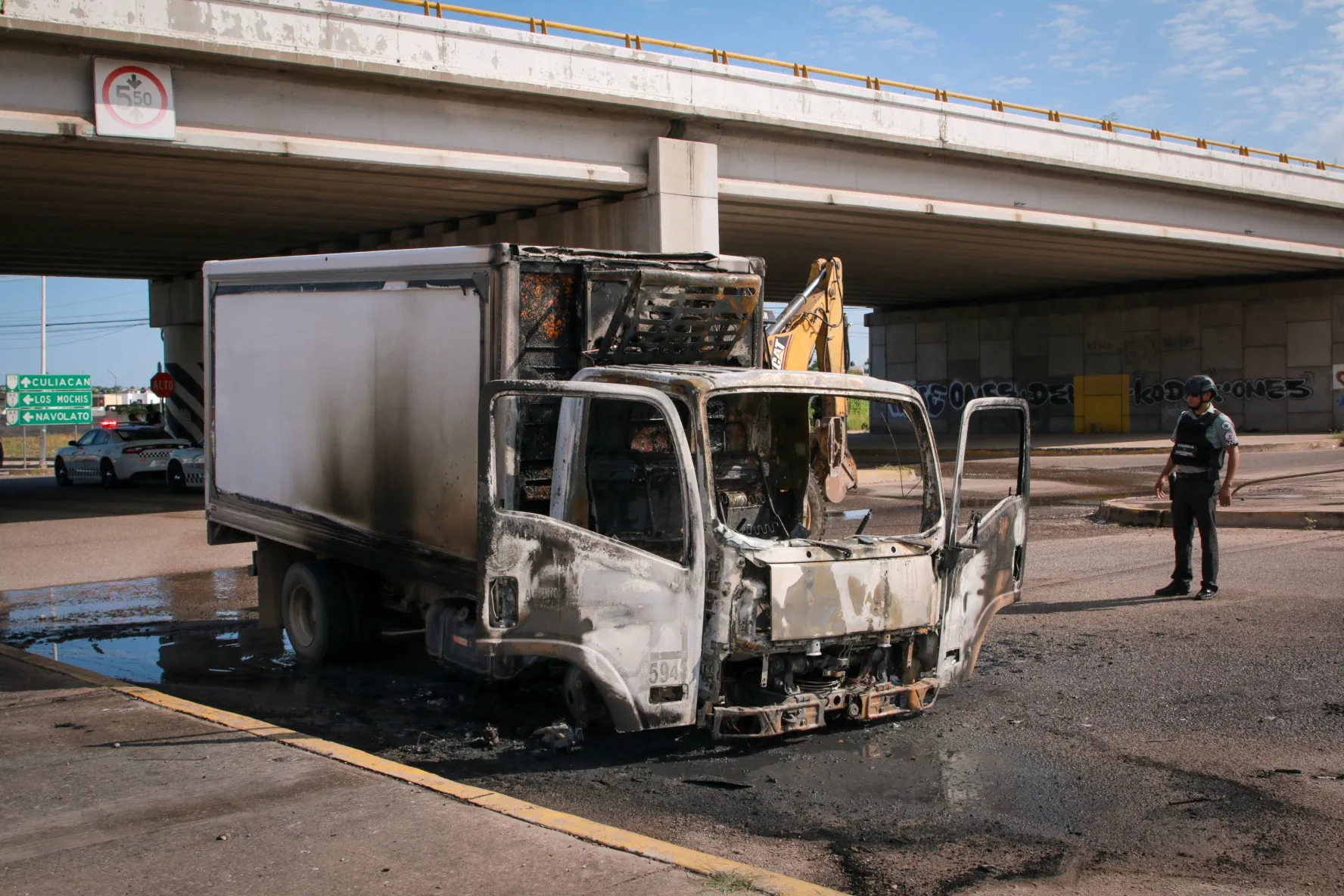
This piece details several modes of retaliation available to cartels if faced with military strikes. The most immediate response involves intensified violence against Mexican state institutions through assassinations, bombings, and attacks on security forces. Cartels have already demonstrated the ability to use weaponized drones and mount urban sieges, such as the 2019 event in Culiacán, to extract leaders from custody. Beyond kinetic violence, these groups can engage in economic warfare by blockading major border crossings and sabotaging infrastructure belonging to international businesses. A significant shift in cartel calculus could also lead to the targeting of U.S. citizens within Mexico or the intentional increase of drug potency, such as substituting fentanyl with carfentanil, to create a mass casualty overdose crisis as political leverage.
Dr. Felbab-Brown concludes by proposing a policy shift toward targeted law enforcement pressure rather than military strikes. This alternative emphasizes expanding the mandate of U.S. law enforcement agents in Mexico and intensifying joint efforts against the political and government sponsors who protect criminal markets. By using precise pressure to incentivize a reduction in drug lethality, the United States can achieve immediate life-saving goals while avoiding the diplomatic fallout and escalatory violence associated with unilateral military action. Dr. Felbab-Brown emphasizes that dismantling the operational capacity of cartels requires a sustained state presence and strategic law enforcement cooperation that limited air strikes cannot provide.

