





Wild Bill: The Leadership Legacy of William Donovan
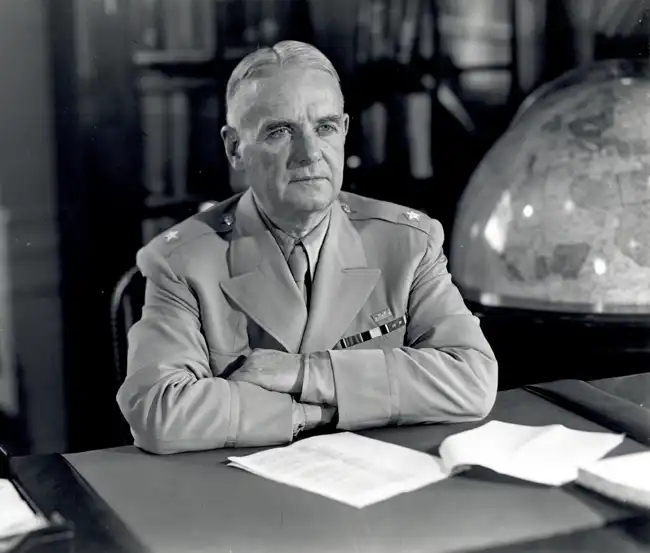

Steve Leonard’s profile of William “Wild Bill” Donovan traces the evolution of American intelligence through its founding father—from the Medal of Honor recipient who refused evacuation despite a shattered knee in the Argonne to the architect of the Office of Strategic Services (OSS). Donovan’s battlefield experience in WWI taught him that future conflicts would be decided not by mass but by intelligence, deception, and psychological warfare, a revelation that would guide his revolutionary approach as OSS director. Leonard distills Donovan’s legacy into five enduring lessons: intelligence as a strategic capability, diversity of thought as a competitive advantage, decentralized command as a means of enabling agility, personal courage to champion institutional vision, and the imperative to build institutions that outlast individuals. The piece reminds readers that every modern intelligence fusion center and analysis-driven operation traces its lineage to an Irish kid from Buffalo who saw what others couldn’t and built what didn’t yet exist, establishing principles that continue echoing through the Intelligence Community decades after his death in 1959.
“In war, nothing is more important than intelligence—except courage.”
Donavan firmly believed that information and human resolve were inseparable. Good intelligence tied with personal courage produces measurable results.
“The best intelligence service is one that tells the truth, even when the truth is unpopular.”
Donavan held a fundamental commitment to the integrity of the intelligence services. Don’t tell people what they want to hear; tell them what they need to hear.
“We must organize our thinking as carefully as we organize our forces.”
Donovan understood that strategy begins in the mind. As General James Mattis so aptly stated, “The most important six inches on the battlefield is between the ears.”
“There are no rules in intelligence except those imposed by necessity and conscience.”
Donavan was nothing if not practical. His pragmatic yet principled approach to unconventional warfare ensured that the people he empowered to make the hard choices in complex circumstances had the autonomy – and trust – to do so.
“Leadership means accepting responsibility before you are given authority.”
Few statements better capture how Donovan operated – from the trenches of World War I to the creation of the OSS. Leadership isn’t about a position of authority or a corner suite in an office building. It’s about setting a positive example and holding yourself accountable.

