





How Mexico’s Fuel Theft Market Went Transnational
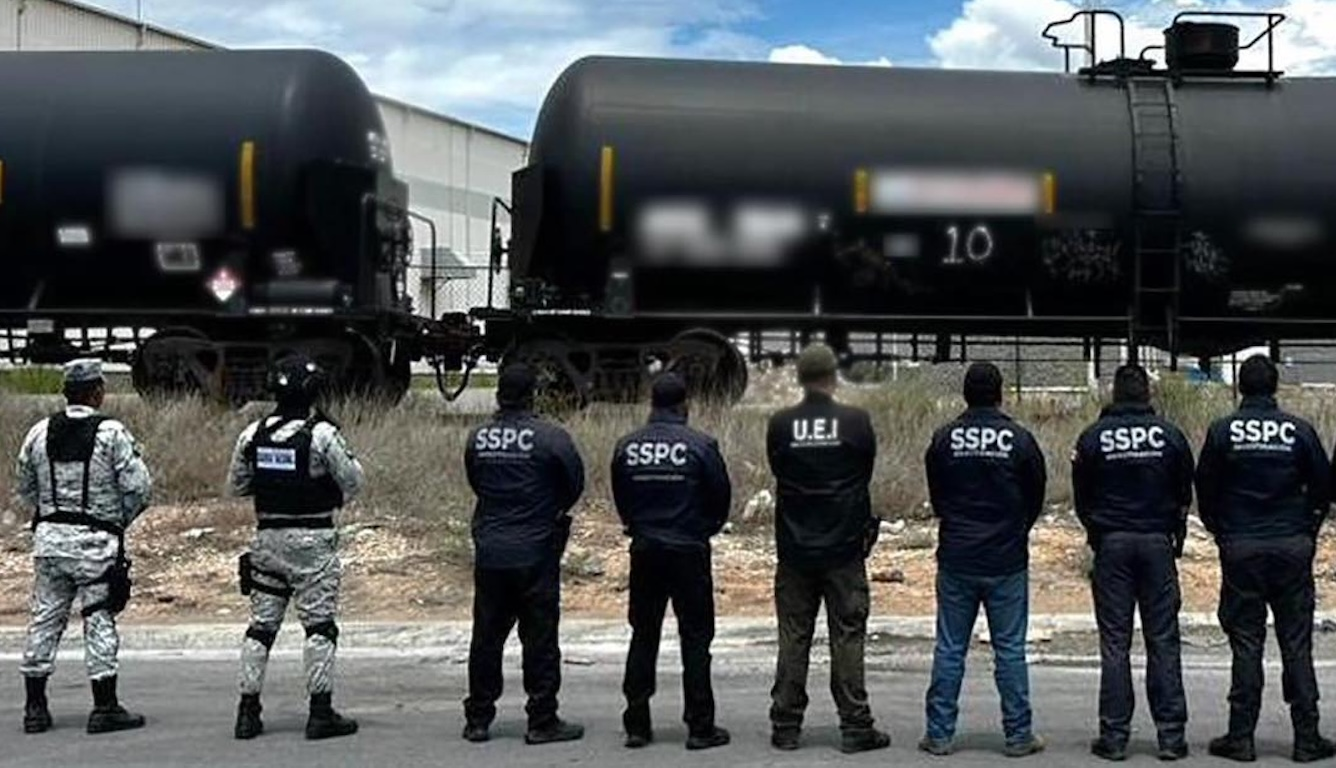

Sam Woolston’s InSight Crime analysis, “How Mexico’s Fuel Theft Market Went Transnational,” shows how what began as localized pipeline tapping has evolved into a cross-border illicit energy economy that now reaches deep into the U.S. energy and financial systems.
Major criminal groups have shifted from stealing fuel from Petróleos Mexicanos (Pemex) infrastructure to large-scale smuggling of U.S. fuel into Mexico. Their tactics have become more sophisticated, mislabeling shipments to evade Mexico’s fuel tax (IEPS), and using corruption at ports, customs, and transport firms to move millions of liters at a time—often dwarfing traditional “fiscal huachicol” theft volumes.
How Fuel Theft Networks Generate Income From Illicit Fuel (insightcrime.org)
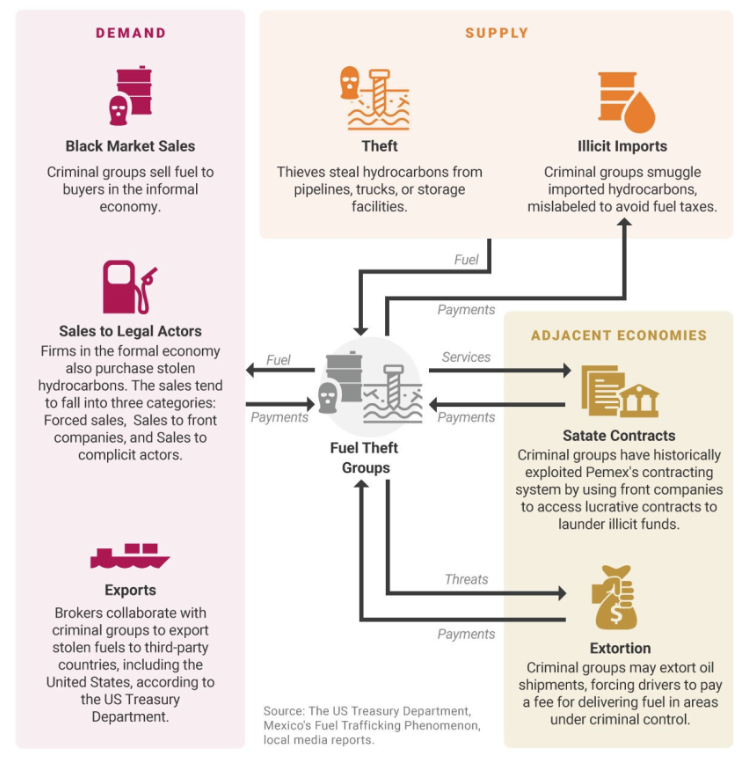
The result is systematic exploitation of cross-border price differences and weak enforcement. Illicit commerce now blends tax evasion, money laundering, and supply-chain capture, drawing in shell companies, corrupt officials, and even legitimate gas stations on both sides of the border.
If illicit fuel markets now function as a transnational business model rather than a local crime problem, what would an effective response by the United States look like?

