





El Centro Fellow Dr. Vanda Felbab-Brown provides testimony before the Senate drug caucus about Chinese organized crime in Latin America

Watch The Testimony Here: Dirty Money: Chinese Organized Crime in Latin America, US Senate Caucus on International Narcotics Control, December 09, 2025.
At the Senate International Narcotics Control Caucus hearing on “Chinese Organized Crime in Latin America,” senators and witnesses framed a familiar public-health crisis as a wider national-security and governance problem. The opening example was the extradition of alleged trafficker Ji Dong Zhang (“Brother Wang”), described as a Mexico-based broker accused not only of moving cocaine and fentanyl toward the United States, but of running stash-house and banking networks that prosecutors said once touched roughly $20 million across 170 accounts.
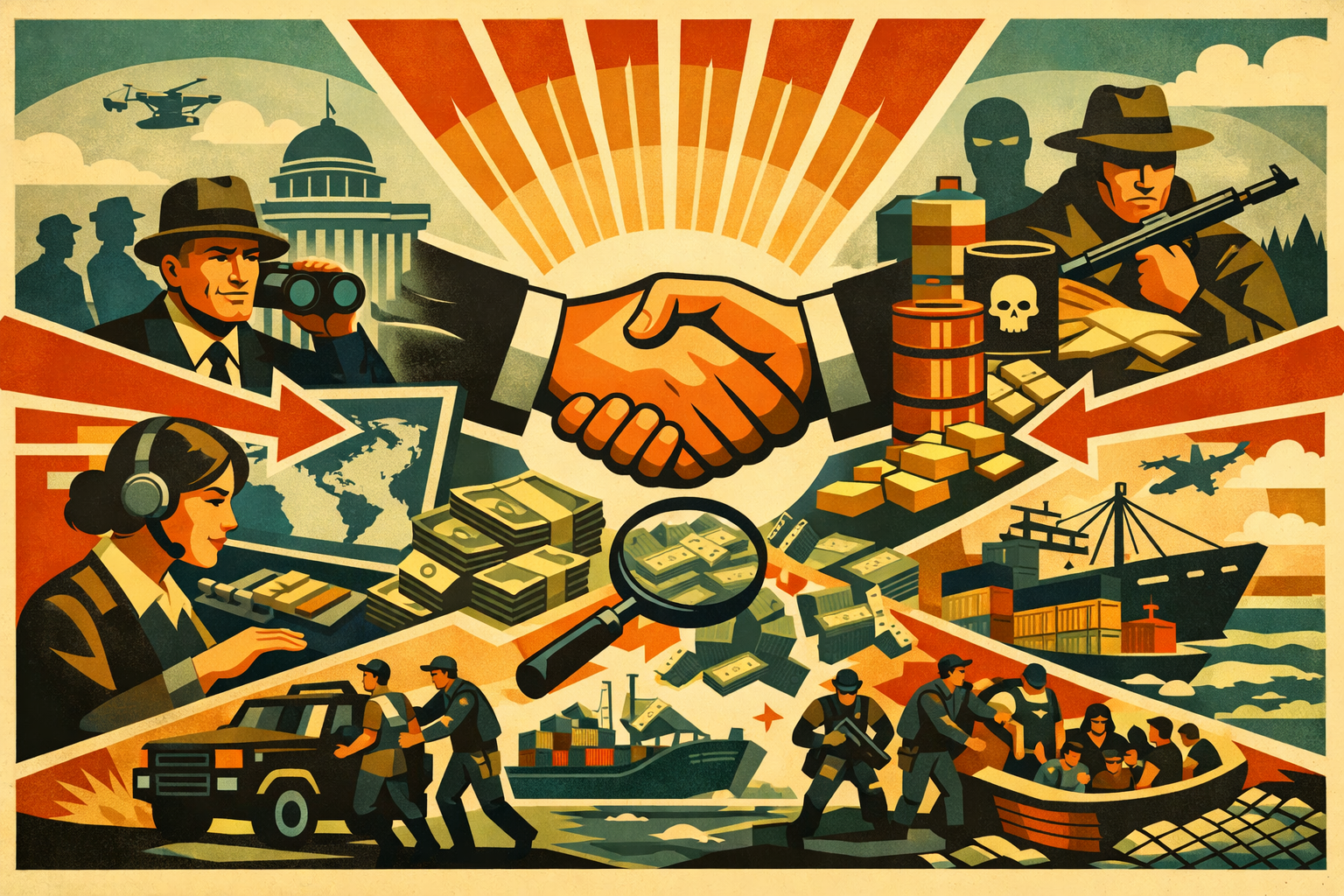
From there, the hearing’s central throughline came into focus: Chinese criminal groups are portrayed as “commodity agnostic” enablers who link chemical precursor supply chains, cartel financing, and a menu of illicit activities (e.g., money laundering, human smuggling, wildlife trafficking, IUU fishing) that thrive within the gaps and seams of global commerce.
The hearing also pressed on a strategic angle: how China’s expanding trade footprint, especially port access and opaque logistics pathways, can create cover for illicit flows while complicating enforcement and attribution, and how PRC-provided “assistance” can be self-serving when it includes surveillance technology and intelligence access.
Proposed remedies were centered around following the money and hardening systems, such as fully implementing corporate transparency rules, tightening scrutiny of free-trade zones and import data, resourcing anti-money laundering enforcement, building interagency and international task forces, and closing crypto loopholes that criminals exploit.
If this problem is as much about networks and governance as it is about drugs, what would a genuinely effective strategy look like that targets financing and supply chains at scale, without drifting into performative enforcement or policies that undercut regional trust and the rule of law?

