





Linking Terrorism’s Changing Character to Strategic Targeting
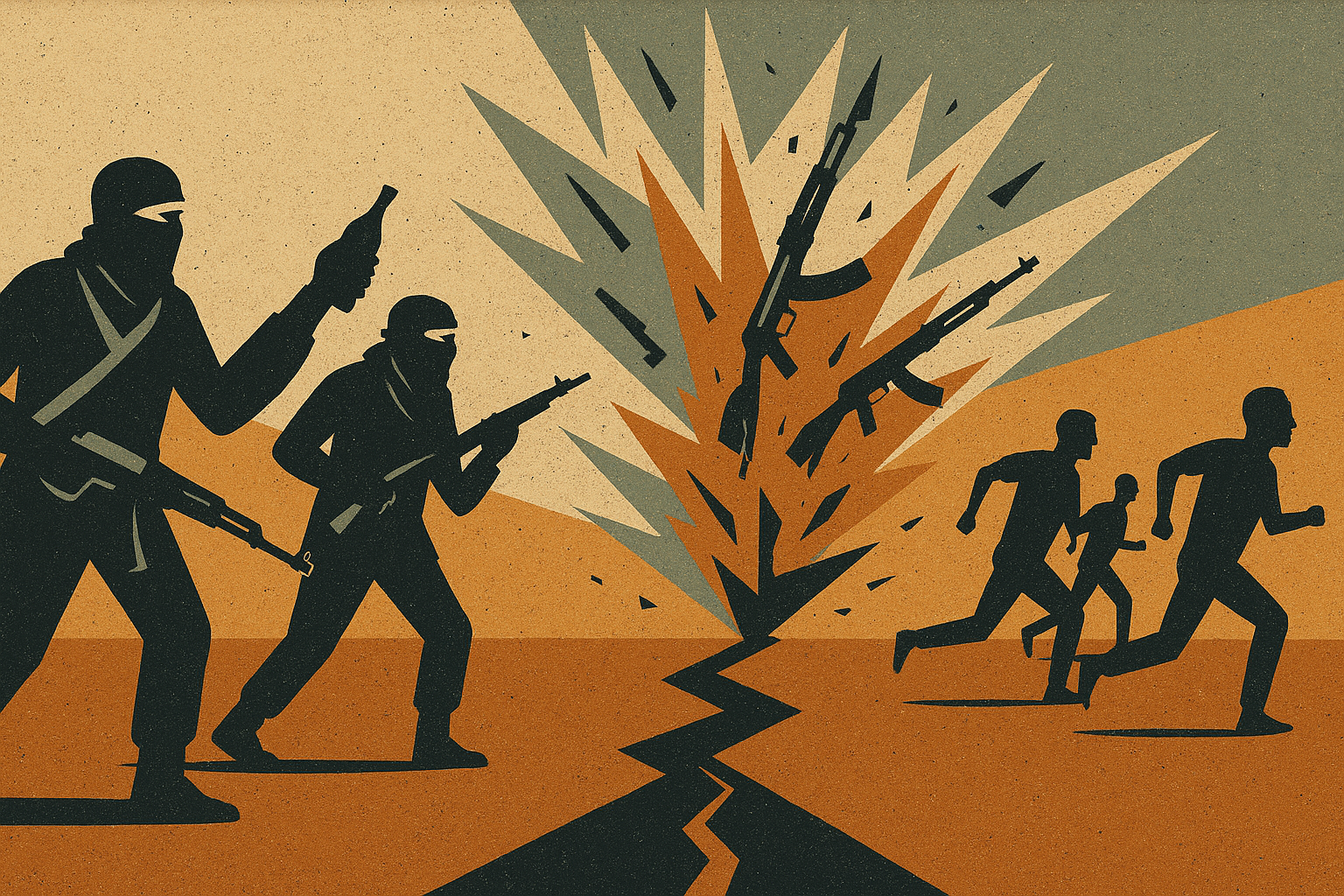

Take a look at West Point’s Combating Terrorism Center article “The Changing Character of Terrorism and U.S. Counterterrorism,” which tracks how terrorism is evolving in breadth, structure, and speed, from the concentration of violence in the Sahel and Afghanistan to the extended reach of groups like ISIS-K, the growing prominence of lone actors, and faster online radicalization that increasingly pulls in minors. All of this unfolds against the backdrop of a US counterterrorism enterprise operating with fewer resources and rising strategic competition, raising questions about how long current risk tolerances and response models can hold.
To see how those broad trends show up in target choices, pair it with our recent Small Wars Journal article “Strategic Targets: Analyzing Facility Selection in Global Terrorist Attacks,” which mines more than 60,000 incidents from 2018 to 2024 and finds that infrastructure and military facilities absorb the majority of attacks and casualties. Those assaults and trauma tactics dominate against civilian spaces, and groups like ISIS, Al Shabaab, Hizballah, and JNIM display distinct targeting patterns that should shape US decisions on how to protect infrastructure, soft cultural and religious sites, and deployed forces.

