More Than Just the Tigers: How America and its Chinese Partners Dominated the Skies Over WWII Asia

More Than Just the Tigers: How America and its Chinese Partners Dominated the Skies Over WWII Asia
In May of this year, reports emerged that the U.S. Army would disband two Security Force Assistance Brigades (SFABs). This followed the Air Force’s decision to shutter its dedicated Combat Air Advisor (CAA) units, with both actions sparking intense discussion among military circles about the folly of cutting these partner-focused capabilities. The mission of training, equipping, and advising partner forces has always carried significance for U.S. national interests beyond the purely military realm to encompass strong political and symbolic dimensions. General Claire Chennault and his 14th Air Force’s support to the Chinese American Composite Wing (CACW) in World War II offers a novel case study in war-time aviation security force assistance that achieved remarkable success and provides enduring lessons for military advisory efforts.
The CACW represents one of the earliest examples in American military history of a “train and equip” program directed at a foreign air force. Yet the program revealed that simply training and equipping alone could not secure victory in the skies over China—it also required trust and camaraderie between the airmen of both nations. Chennault’s most significant achievement, therefore, was not measured merely by the number of enemy aircraft downed by his Flying Tigers, but by his success in integrating a cadre of professional American and Chinese pilots and rebuilding the war-torn Republic of China (ROC) air force. This experience provided the embryonic U.S. Air Force an enduring model for conducting advisory missions in the postwar era. The principles of coordination, empowerment, and mutual respect that underpinned the CACW continued to guide U.S.-led coalition operations for decades to come.
The legacy of the CACW remains visible today in the close cooperation between the U.S. Air Force and its allies, and notably the continued existence of core CACW units in Taiwan’s current air force structure. Above all, this enduring spirit of collaboration stands as one of the most valuable assets Chennault bequeathed to the modern U.S. Air Force. Drawing on research conducted at the U.S. National Archives, the Hoover Institution Archives, the Air Force Historical Research Agency at Maxwell Air Force Base, and oral interviews with pilots who participated in the CACW, this paper illuminates the struggles and outstanding achievements of the American-Chinese WWII air campaign over four years of combat.
Advisory Challenges in the Republic of China
Although the ROC Air Force had previously invited retired American pilots led by former Army Air Corps member Colonel John Jouett to train its personnel, most of these instructors returned home by 1935 due to America’s prevailing isolationist policies. When Madame Chiang Kai-shek invited Chennault to China in 1937 to serve as the chief instructor at the Central Aviation School, he found its air force training program dominated by a disorganized group of Italian advisers, whom he held in very low regard. (See Note 1). The core group of pilots initially trained under Jouett had been nearly depleted within three months of the war’s outbreak, leaving the Chinese Air Force with an uneven pool of replacements ill-prepared to confront Japan effectively. Chennault hoped to reintroduce the American-style flight system to enhance ROC pilot combat effectiveness.
Unexpectedly, at this time the Soviet Union became the primary supplier of fighter aircraft to the ROC Air Force and even dispatched volunteer pilots to fight in China—once again sidelining Chennault’s efforts. Although Chennault regarded Soviet pilots more favorably than the Italian advisors, he recognized another major threat: the risk of communist indoctrination among Chinese Air Force pilots under Soviet influence. (See Note 2). Chennault believed that war between the United States and Japan was inevitable. He saw China not only as an ally that would defeat Japan alongside the United States, but also as a vital postwar trading partner for America. Given the widespread admiration for ace pilots from various nations during World War I, a strong air force served as a powerful symbol of nationalism. If the United States could train Chinese pilots to become celebrated air heroes, they would likely emerge as one of the most pro-American forces within China.
Chennault finally got his opportunity in 1941. First, in response to the German threat, the Soviet Union signed a neutrality pact with Japan, cutting off its aid to the ROC Air Force. Secondly, FDR recognized China’s importance and included the ROC in the Lend-Lease Act. Thus, in November 1941 just before Japan’s attack on Pearl Harbor, the first group of Chinese pilots departed to the United States for flight training. It was also at this time that Luke Field in Arizona, now known as Luke Air Force Base, became the primary training base for Chinese fighter pilots.
Chennault’s genius lay not only in his ability to train pilots, but also in his skill to convince the American public—during an era still marked by racial segregation—that Chinese pilots could fly and fight effectively.
Lieutenant Colonel Chen Ping-ching recalled that Chennault strategically selected their group of Chinese pilots—already fully trained—to undergo basic flight training from scratch in Arizona. Once they took to the trainer aircraft, they all performed exceptionally well, earning widespread praise from the people of Arizona, who hailed the Chinese airmen as flying geniuses. (See Note 3).
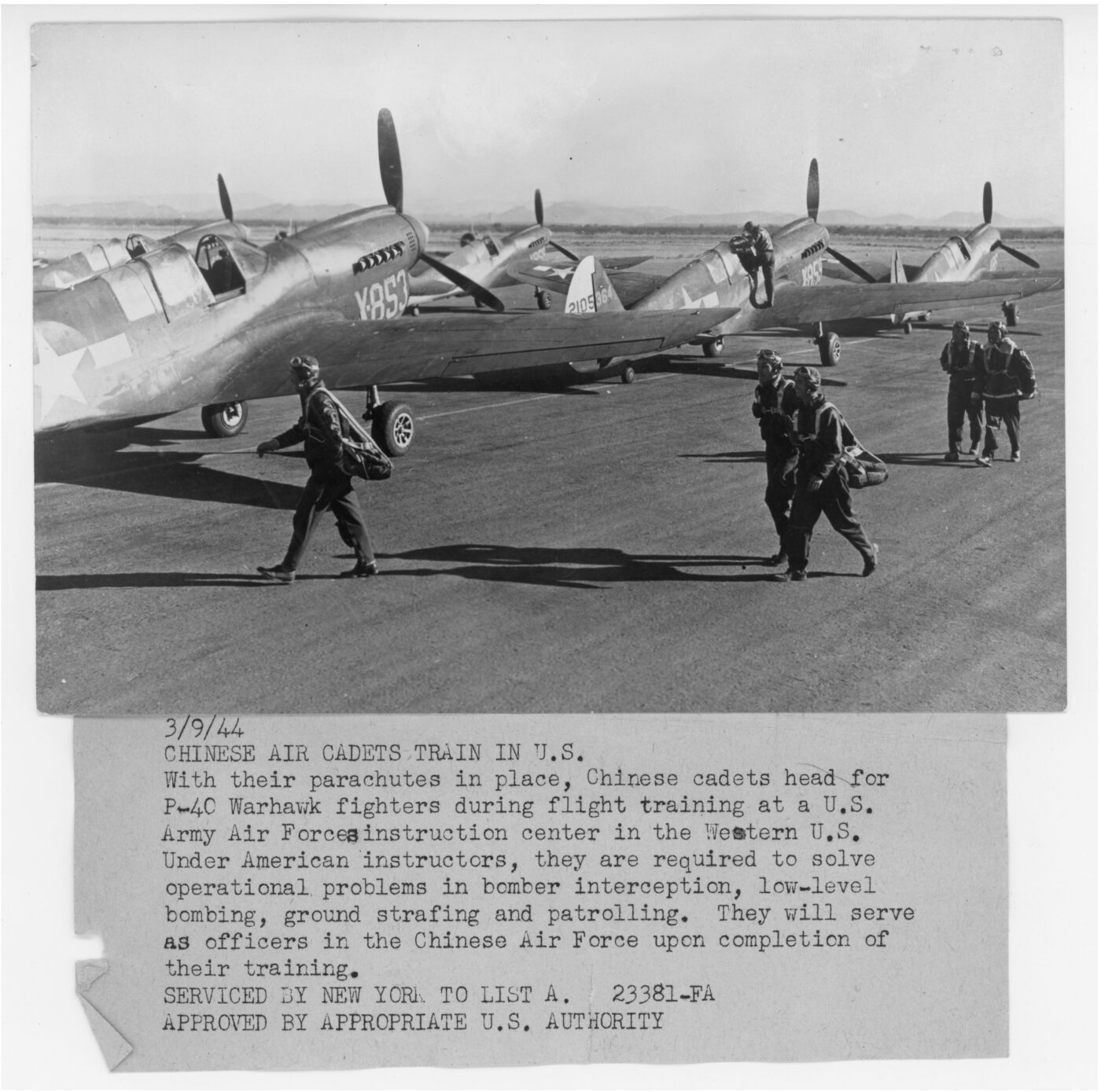
Photo 1. Chinese cadets walk to their P-40s during their training at Luke Field, Arizona (Source: National Archives and Records Administration).
Small Trial Effort
Chen became one of the first 12 Chinese P-40 fighter pilots to complete training at Luke Field. Upon returning to China, they joined the 74th, 75th, and 76th Fighter Squadrons of the U.S. 23rd Fighter Group, with four pilots in each squadron. (See Note 4). Under the command of American squadron leaders, they participated in combat missions and gradually adapted to the American style of air warfare. Assigned to the 75th Fighter Squadron, Chen developed a close friendship with squadron leader Major Edmund Goss. These twelve Chinese pilots fought fiercely in aerial combat and suffered heavy casualties, including six killed in action. Chen himself was shot down and captured on October 1, 1943, while escorting B-24 bombers attacking Haiphong, Vietnam. He did not attain his freedom until the end of the war.
Despite losing more than half of the Chinese airmen assigned to the 23rd Fighter Group, Chennault confirmed through this trial that Chinese pilots could fight alongside American airmen. He then formed the CACW under the 14th Air Force, comprised of the young Chinese pilots trained in the United States combined with experienced veterans of the earlier Sino-Japanese air war who were willing to adopt American combat doctrines. The CACW was a unique unit composed of both Chinese and American air and ground crew personnel. It included the Chinese Air Force’s 1st Bomber Group, 3rd Fighter Group, and 5th Fighter Group.
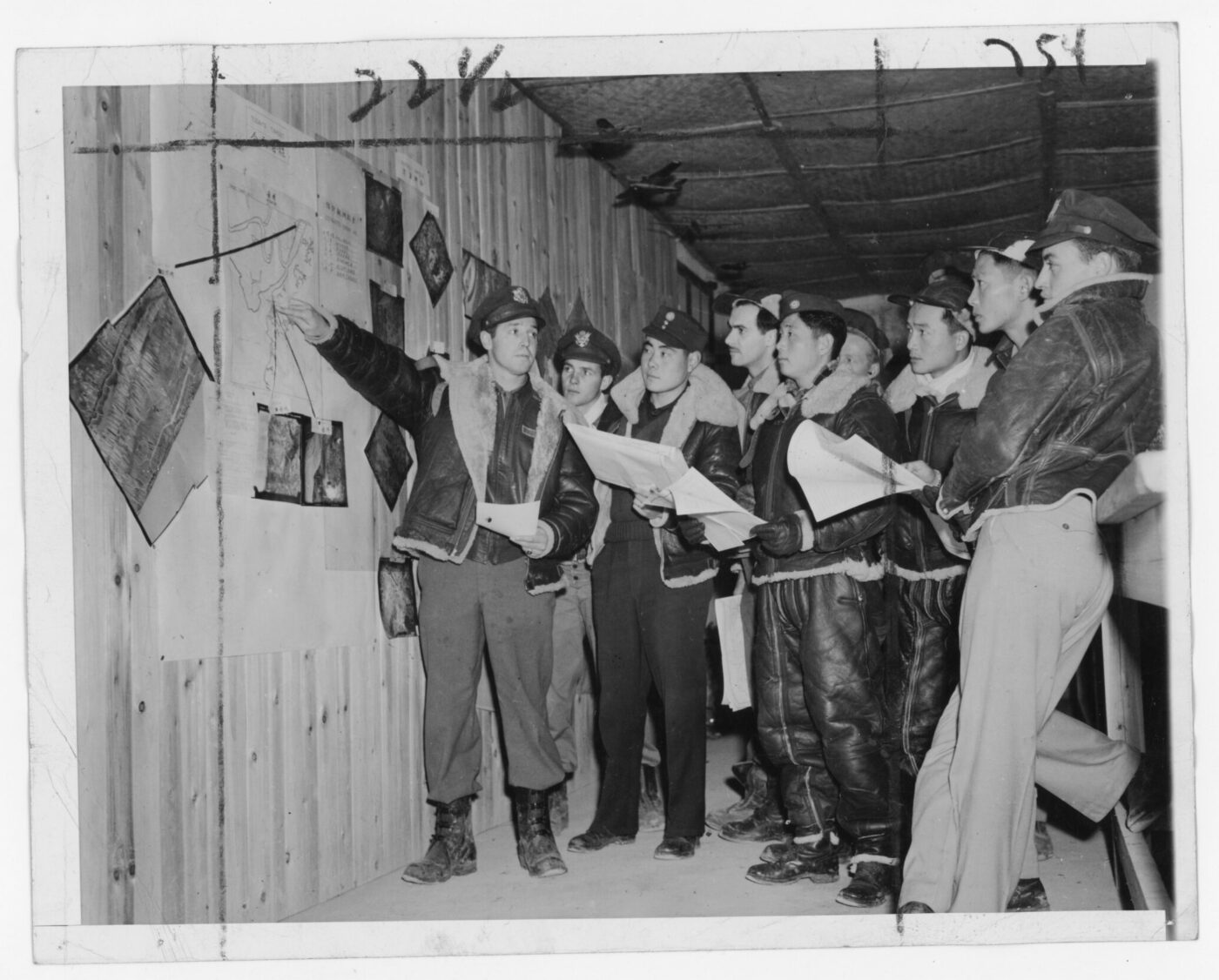
Photo 2. Pilots of the CACW 3rd Fighter Group prepare for their mission against Hong Kong (Source: National Archives and Records Administration).
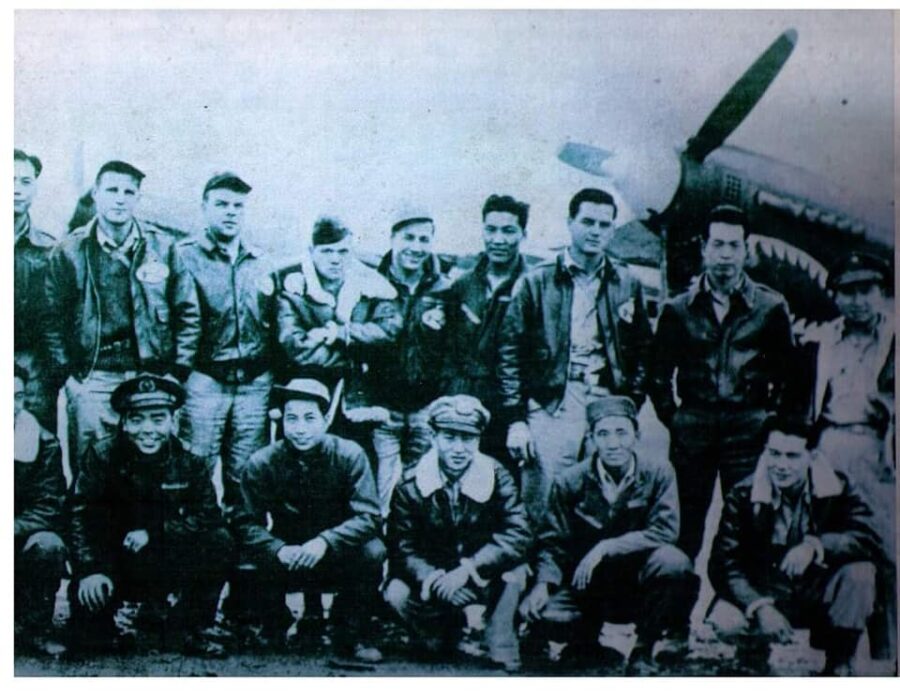
Major General Fred Wu-o Chiao, a pilot from the 5th Fighter Group, noted that during the war, many air force units were composed of multinational pilots. For example, the British Royal Air Force (RAF) incorporated large numbers of Polish and Czech exile pilots. However, in the case of the RAF’s No. 303 Squadron, Polish officers commanded the unit which consisted exclusively of Polish pilots. In contrast, the CACW was uniquely integrated at every level with both Chinese and American airmen—from the wing down to the groups and squadrons.
Moreover, at each command level was both an American and a Chinese officer—from wing commander to group commander to squadron leader, marking a historic first in integrated combined command structures. (See Note 5).
This would not have been possible without Chennault’s boldness in experimenting with a small initial effort and accepting risk to expand at scale.
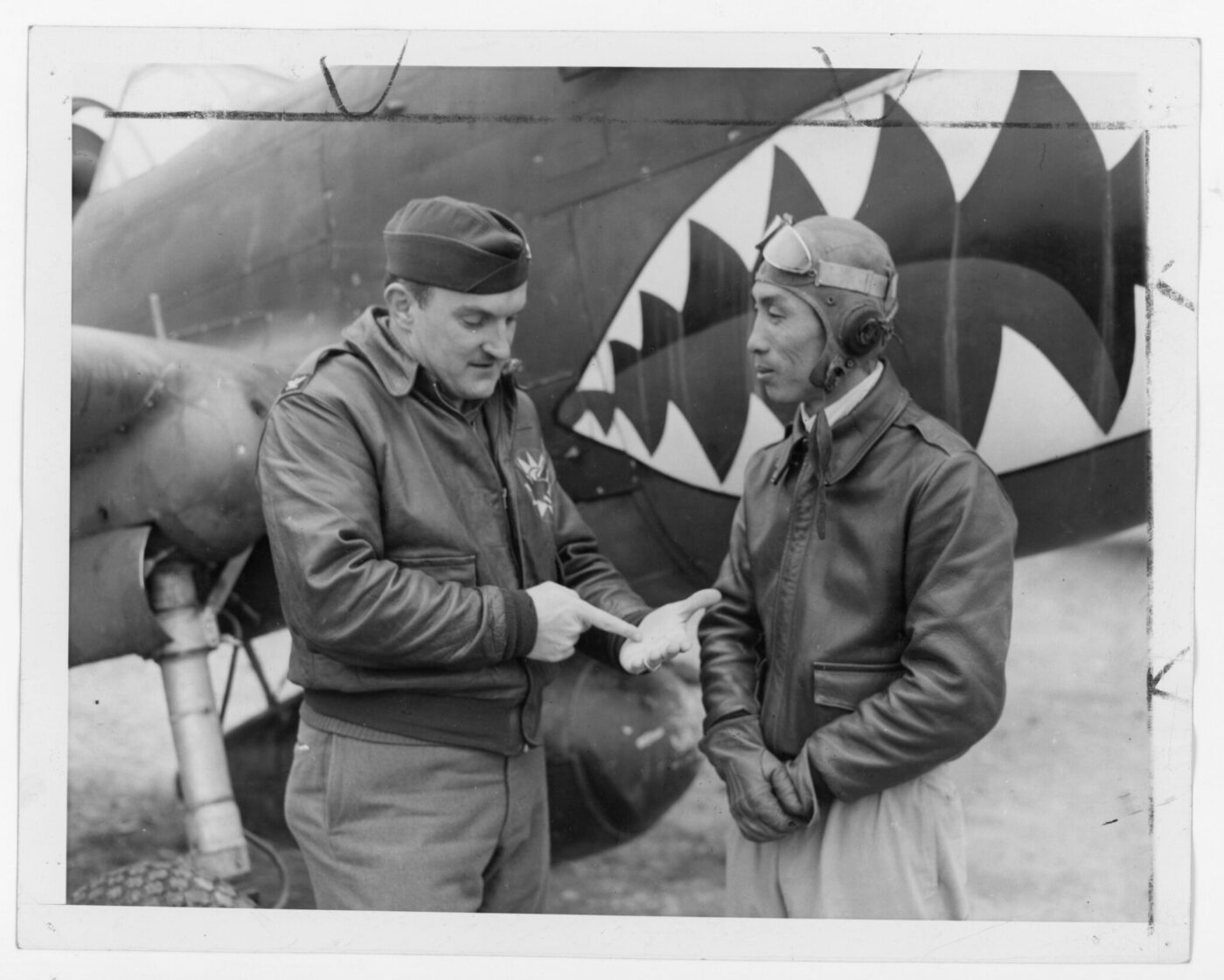
Photo 3. The unique CACW command structure enabled dual leadership within each unit. Pictured here is the 3rd Fighter Group, led jointly by U.S. Colonel Alan Barnett and Chinese Major Yuan Chin-han. This bilateral command system exemplified the equal partnership between American and Chinese forces (Source: National Archives and Records Administration).
Trust and Camaraderie
The United States’ mission in the China theater was not limited to fighting the Japanese military. It also involved supporting Chiang Kai-shek’s central government based in Chungking in its struggle against the Imperial Japanese Army (IJA) and the Chinese puppet Wang Jingwei regime it sponsored. While FDR prioritized allocating significant resources to the European Theater of Operations (ETO), he was also determined to “keep China in the war” to tie down as many IJA forces as possible. Reengaging Chinese pilots in the air war against Japan—and enabling them to once again shoot down enemy aircraft—became one of the most effective ways to strengthen public confidence in the war effort.
Cheng Sung-ting, the Chinese squadron leader of the 28th Squadron, 3rd Fighter Group, developed a close friendship with his American counterpart, Eugene Strickland. Reflecting on their time together, Cheng remarked, “During the period when we fought alongside the Americans, the camaraderie among our teammates was truly remarkable. These American pilots were not only outstanding in character and flying skill, but also unmatched in their coordination during combat. Such harmony and professionalism were rare anywhere in the world.” He was credited with shooting down three Ki-43 “Oscar” fighters during his combat service. However, Cheng’s most courageous act came during a low-altitude attack on a Japanese airfield in Hupei Province, where he destroyed multiple enemy fuel depots and inflicted heavy damage on the IJA Air Force. For this daring mission, he was promoted to the rank of major. He later remarked that such extraordinary courage was made possible by the tremendous encouragement and moral support he received from his American comrades, especially Strickland. (See Note 6).
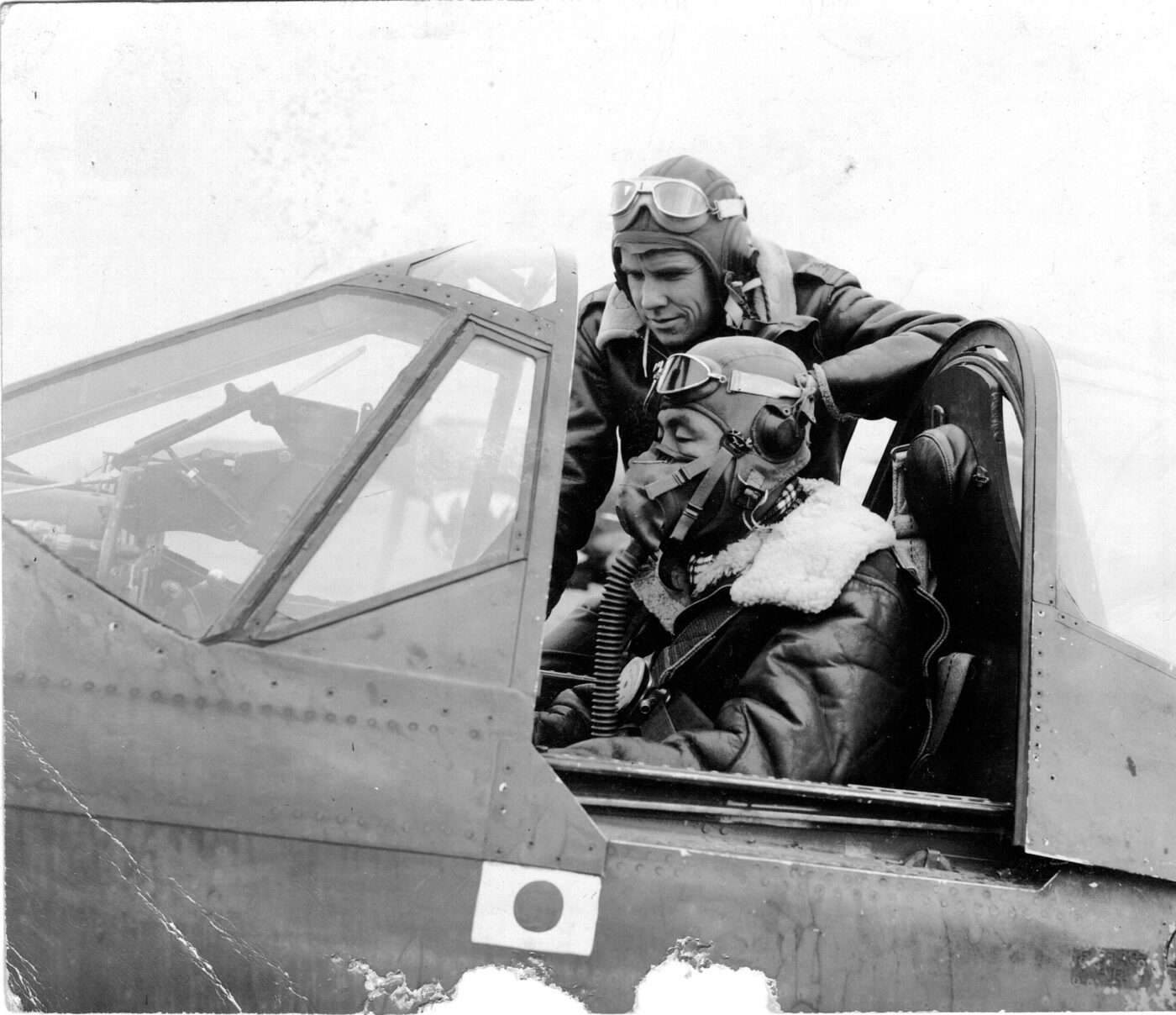
Photo 4. Brothers in arms, Eugene Strickland and Cheng Sung-ting conduct P-40 pre-mission checks (Source: Cheng Min-lee, son of Major General Cheng Sung-ting).
The CACW carried forward the flexible and enterprising spirit of the Flying Tigers. Its operations were not limited to air-to-air engagements or purely defensive missions—instead, the CACW also took the initiative to strike at IJA forces deep behind enemy lines. Fred Chiao from the 5th Fighter Group recalled that the unit carried out three air raids on the Japanese Army Air Force base at Paliuchi in Hubei. These strikes destroyed many Ki-43 fighters belonging to the enemy’s 48th and 25th Sentais on the ground. With minimal losses, the Chinese forces successfully established air superiority over Central China.
What made it possible for the United States to help resurrect the ROC Air Force—a force nearly annihilated before the outbreak of the Pacific War, was not merely doctrine or matériel, but the genuine brotherhood and camaraderie forged between Chinese and American pilots within the CACW.
Having spent seven years in China, Chennault strictly forbade American pilots in the 14th Air Force from discriminating against their Chinese counterparts. At the same time, he understood the importance of “face” in Chinese culture. Chennault designed this approach to emphasize the equal partnership between China and the United States. Therefore, mutual respect and understanding between U.S. and Chinese commanders were crucial to the unit’s success.
Fred Chiao noted that one of the primary missions of the 5th Fighter Group was to escort the U.S. 308th Bombardment Group’s B-24 bombers in their strategic raids against Japanese targets across central China. The Chinese pilots were often required to remain in close formation with the American bombers, prioritizing protection over the pursuit of enemy aircraft. Chiao emphasized that his proudest achievement was ensuring that none of the B-24s under his protection were ever shot down. For their exemplary performance, FDR awarded the 5th Fighter Group the Presidential Unit Citation.
Transition to Chinese Leadership
As Chinese pilots became increasingly accustomed to American combat doctrine and operational culture, command authority within the CACW gradually transferred to Chinese hands. In some cases, seasoned Chinese aviators even led less experienced American pilots into combat. Toward the end of the war, Fred Chiao served as the deputy commander of the 29th Squadron, 5th Fighter Group. During this period, the American group commander, John Dunning, trusted Fred with operational command over all Allied air units based at Chihkiang. This included not only the four squadrons of the 5th Group, but also the 75th Squadron of the 23rd Fighter Group stationed at the same base. The fact that Dunning placed purely American combat units under the command of experienced Chinese pilots speaks volumes about his confidence in the capabilities and professionalism of the CACW’s Chinese personnel. It reflected a deep level of trust and respect extended to an allied force.
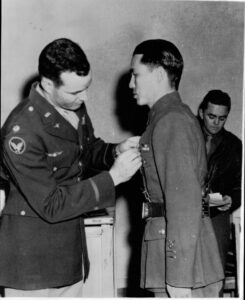
Photo 5. Colonel Cheng Sung-ting, the Chinese commander of the 5th Fighter Group, and his American counterpart, Colonel John Dunning, shared a deep mutual respect during the war. Their bond endured beyond the battlefield, evolving into a lifelong friendship after the war ended (Cheng Min-lee, son of Major General Cheng Sung-ting).
Hal Javitt, an American pilot who once flew combat missions under Fred Chiao’s command, told the author later in life that flying with Fred felt like a guarantee of safety—he always brought his men home unscathed. Javitt emphasized that seasoned Chinese pilots like Fred had accumulated substantial combat experience against the Japanese and, in many cases, possessed a far more profound understanding of the battlefield than newly arrived American aviators. (See Note 7).
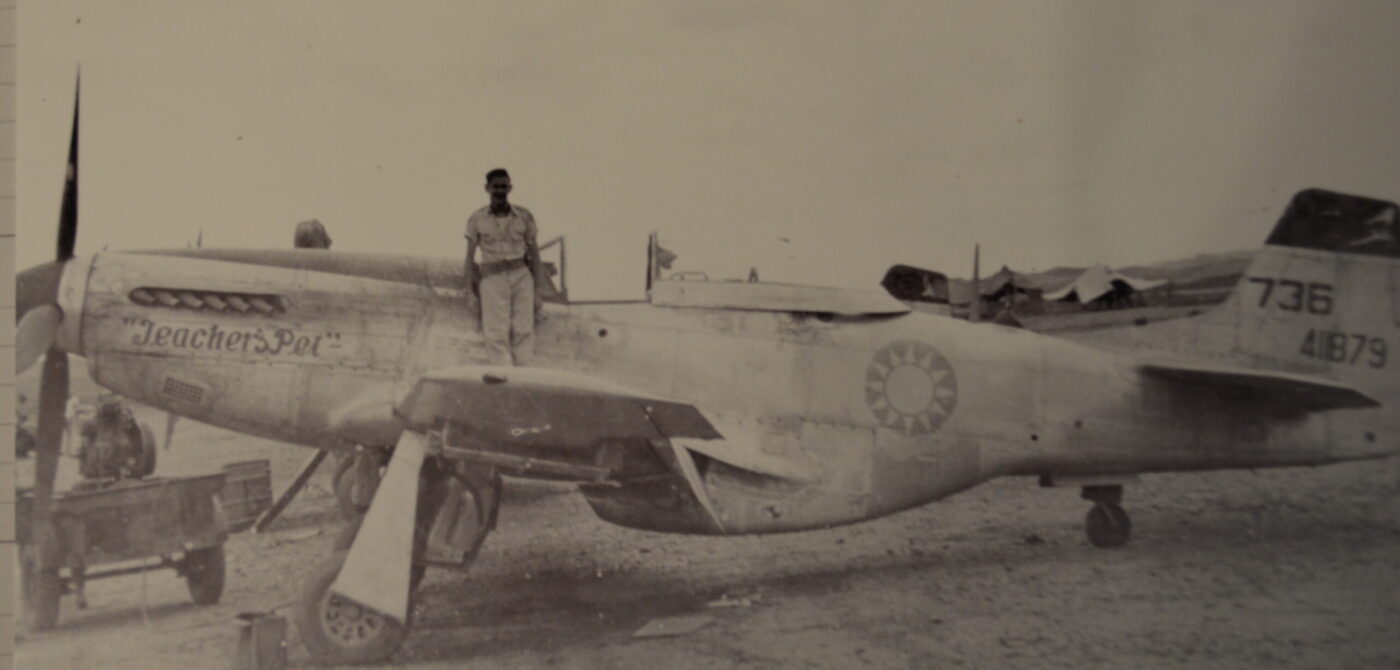
Photo 6. Hal Javitt on his P-51D Mustang. He believed that flying as a wingman of a senior Chinese pilot would increase his survivability (Source: Hal Javitt).
During the battle to defend Chihkiang in the early summer of 1945, the United States even embedded air-ground liaison teams with elite Nationalist Army units. Equipped with radios, they called in precise air strikes against Japanese forces. Scenes that would later reappear in the early 21st century—when Kurdish fighters cooperated with U.S. forces against the Islamic State—had, in fact, already unfolded on the battlefields of China in the final phase of World War II. (See Note 8). The allocation of the state-of-the-art P-51 Mustang to Chinese pilots in the CACW was another powerful expression of American confidence.
Cheng Sung-ting became the first among the CACW to take the Mustang into the skies. He recalled that when he first arrived in India, many of the American pilots doubted whether a Chinese pilot could handle the Mustang. Relying on his superb flying skills, he carefully read through the flight manual and then immediately took the P-51B in front of him into the air. He performed a series of impressive maneuvers, leaving the American pilots watching from the ground thoroughly convinced of his abilities. By the time victory was achieved, Cheng was flying the more advanced P-51D Mustang and had risen to become the Chinese commander of the 5th Fighter Group. It was in this capacity that he received and escorted the Japanese surrender delegation at Chihkiang, bringing the war to a formal close.
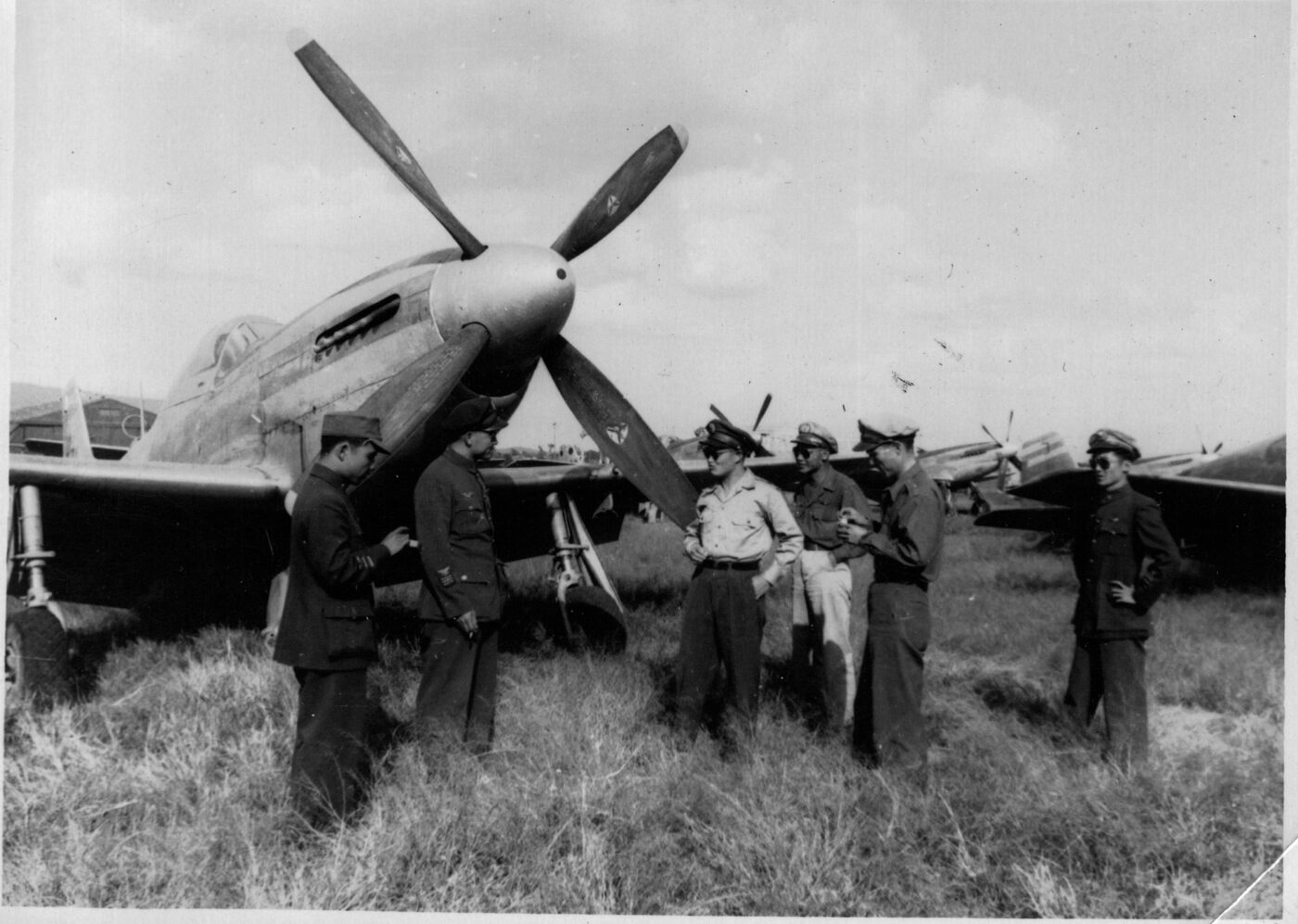
Photo 7. Cheng Sung-ting proudly became the first pilot in the Republic of China Air Force to fly the P-51 Mustang, marking a milestone in Sino-American aviation cooperation (Source: Cheng Min-lee, son of Major General Cheng Sung-ting).
Lessons and Legacy of CACW
Downing enemy aircraft and gaining air superiority were only the visible aspects of America’s success in the skies over China. The more profound and more decisive factor was that the United States had won China’s—especially its pilots’—hearts and minds. That a group of elite Chinese, epitomized by the nation’s pilots, chose to place their trust in the United States lent Washington greater moral legitimacy in the war. Most importantly, a group of Americans—led by Claire Chennault—maintained unwavering confidence in the capabilities of the ROC pilots. As Chennault himself once remarked,“I have seen Chinese pilots as good, skillful, brave, and spirited as any of the finest pilots in the world. If given good ships, they would match any air force in the world.” (See Note 9).
The CACW helped ensure that the postwar ROC would possess an air force that was both technically proficient and pro-American. This legacy proved critical during the air battles that followed the ROC’s withdrawal to Taiwan after 1949.
Taiwan’s F-86 Sabres even achieved a historic milestone by recording the world’s first successful air-to-air missile kill using the Sidewinder missile.
In retrospect, Chennault’s strategic foresight was nothing short of remarkable. The legacy of the CACW lives on in today’s ROC Air Force. The 1st Bombardment Group, the 3rd Fighter Group, and the 5th Fighter Group—all core units of the wartime CACW—continue to exist within Taiwan’s current air force structure. Among them, the 5th Tactical Composite Wing, now primarily composed of F-16 fighter pilots, carries forward the spirit and traditions of the CACW. In recent years, Taiwan’s F-16 pilots have transitioned their training from Luke Air Force Base, now repurposed as an F-35 training hub, to the Air National Guard Base in Tucson, Arizona.
The same spirit of combined operations was not only carried forward in the U.S. Air Force after becoming its own service, but also became institutionalized in the U.S. Army’s SFAB framework. In the campaign against the Islamic State, SFAB-trained Peshmerga units reclaimed key terrain around Mosul and played decisive roles in multiple counteroffensives. These battlefield outcomes demonstrate not only measurable results, but also the enduring value of cross-cultural trust and camaraderie—echoing the legacy of the CACW. The close bonds between U.S. advisors and their partner forces proved essential in shaping the outcomes of past wars and will continue to serve as the key ingredient for success into the future.
Notes:
(1) Wanda Cornelius and Thayne Short, Ding Hao: America’s Air War in China, 1937-1945 (Gretna: Pelican Publishing Company, 1998), p. 60.
(2) Gordon K. Pickler, United States Aid to the Chinese Nationalist Air Force, 1931-1949 (Ph. D. dissertation, Florida State University), pp. 62-63.
(3) Interview of Lt. Col. Chen Ping-ching, Taipei, Taiwan, August 14th, 2017.
(4) “Chow to Chennault”, March 17th, 1943, Claire L. Chennault Papers, Box 9, Folder 3, Hoover Institution Library & Archives
(5) Interview of Major General Fred Wu-o Chiao, Atlanta, Georgia, May 26th, 2013.
(6) Interview of Cheng Min-lee, son of Major General Cheng Sung-ting, Los Angeles, California, December 21st, 2024.
(7) Interview of Hal Javitt, Los Angeles, California, September 20th, 2016.
(8) “Chihkiang Campaign,” 14th Air Force Papers, April 10th to June 3rd, 1945, Air Force Historical Research Agency, Maxwell Air Force Base, AL, 862.4501-2.
(9) John Goette, Japan Fights for Asia (New York: Harcourt, Brace and Company 1943), p. 108.